Resident life story projects: how to record and share residents' stories
Formats, consent, interview tips and ways to share, for senior communities that want to record residents' life stories with audio, video or printed books.
By the Home Happenings team · October 9, 2026
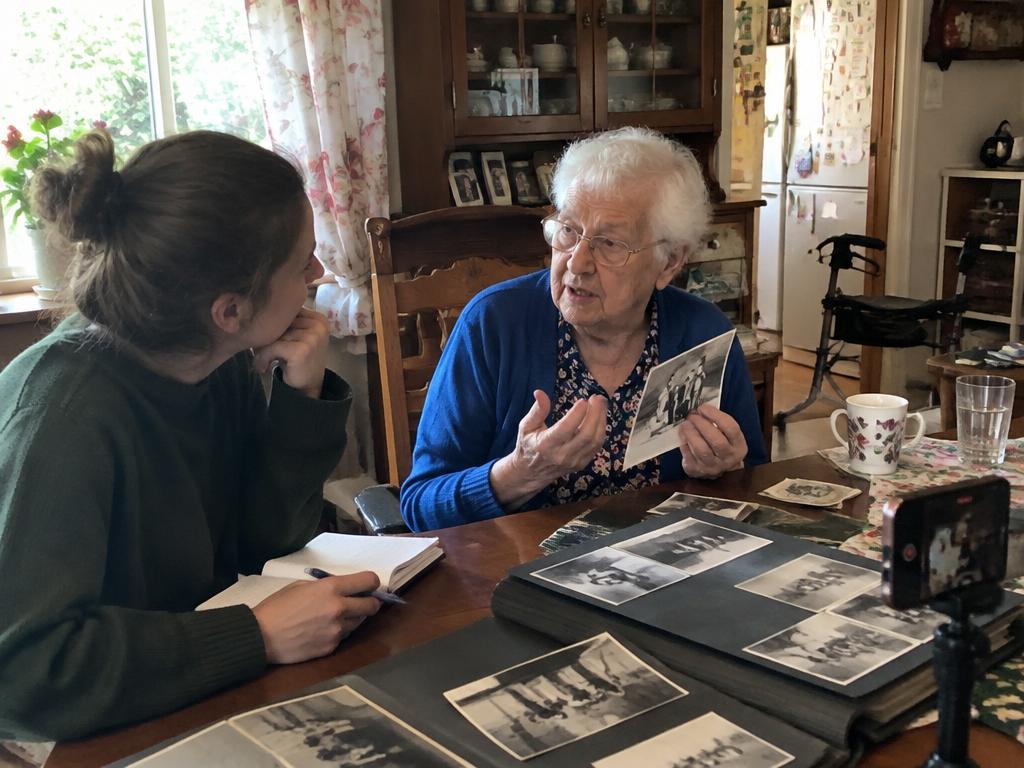
Some of the best programs in a senior community are not classes at all. They are the moments when a resident tells a story nobody had heard before: how she met her husband at a dance in Newark, what the factory floor sounded like, the night the family drove to Florida with no air conditioning.
A resident life story project captures those stories on purpose. Done well, it gives residents a reason to be heard, gives families something they will keep forever, and gives staff a much better sense of who they are working with. This guide covers how to record and share residents' stories, with a few formats to choose from and a clear approach to consent.
Pick a format that fits your residents
There is no single right way to do this. Most communities pick one or two formats based on time, budget and what residents are comfortable with.
- Audio recordings. The simplest and least intimidating. A phone or a small recorder on the table, and a good conversation. Many people forget the recorder is there within a few minutes.
- Short video. Families love seeing a face and hearing a laugh. A simple setup with a tripod, decent light and a quiet room goes a long way. Some residents are camera shy, so always offer audio as an option.
- Printed books. A transcript, edited lightly and printed with family photos, makes a beautiful keepsake. This takes the most work but is often the most treasured.
- Story boards or displays. A few paragraphs and a photo outside a resident's door or in a common area can help neighbors find common ground.
- Group storytelling sessions. A themed afternoon (first jobs, wedding days, the house you grew up in) where residents trade stories. Good for building connections, though less personal than a one-on-one recording.
Start with consent
This is the part to get right before anyone presses record.
- Use a written release. Ask your administrator whether your community already has a media or photo release, and whether it covers audio, video and printed materials. If not, work with them on one.
- Be specific about sharing. Will the story go only to the resident and their family? Into the community newsletter? On a hallway display? Each is a separate yes.
- Check decision making. For residents who may not be able to give informed consent on their own, follow your community's policies and involve the right family member or representative.
- Let residents review. Offer to play back the recording or show a draft before anything is shared. Residents should be able to cut a story or change their mind.
- Agree on where files live. Decide who keeps the original recordings, how they are stored and who can access them.
- Watch for other people's stories. Residents will talk about relatives, neighbors and old friends. Think before sharing anything that could embarrass someone who did not agree to be in it.
How to run a good interview
You do not need to be a journalist. You need curiosity and patience.
- Do a short first meeting without recording. Talk about the project, look at a few photos, and let the resident pick topics they are excited about.
- Use open questions. "What was your mother like?" gets more than "Were you close to your mother?"
- Bring prompts. Old photos, a map of the town they grew up in, a song from their wedding, a recipe card. Objects bring memories back.
- Keep sessions short. 45 minutes to an hour is plenty. Two or three sessions usually produce better material than one long one.
- Follow the energy. If a resident lights up about a summer job, stay there. You can return to the timeline later.
- Be comfortable with silence. Pauses are often where the best answers start.
StoryCorps, the national oral history project, publishes a free list of question ideas that many interviewers start from. It is a helpful warm up if you are new to this.
A few questions that tend to work
- What is the earliest thing you remember?
- What did your family do on a typical Sunday?
- What was your first job, and what did you spend your first paycheck on?
- Who taught you the most, and what did they teach you?
- What is something you did that surprised people?
- What do you want your grandchildren to know about you?
Let residents skip anything. Some topics, like war, loss or illness, may come up on their own. If they do, follow the resident's lead, and do not dig.
Sharing the stories
How you share matters as much as how you record.
- Families first. Give the family the full recording or book before any public sharing. It is theirs.
- Celebrate it. A listening party, a short screening or a book reading in the community room turns a private project into a community moment, if residents want that.
- Keep it simple. A USB drive, a private link or a printed book is better than a complicated system families cannot use.
- Use it day to day, with permission. A few known details about someone's life (they taught high school chemistry, they love the Yankees) help new staff start conversations.
Who runs the project
Staff and volunteers can run a basic audio program with very little equipment. Local high school or college students sometimes make good interviewers too, with some training and supervision.
For more polished results, an outside professional can help. Home Happenings pros who teach personal storytelling guide a conversation about a resident's life and record it for the family. Some bring a video camera and lights and help make a short film. Others record audio or help turn the conversation into a printed book. You can read more on the personal storytelling activity page.
Families also book these sessions on their own, at a parent's home, and some communities find that suggesting it to families is the easiest way to start. It makes a thoughtful gift from adult children, too.
Getting started
Pick five residents who love to talk, choose one format, write up your consent form with your administrator and schedule the first conversations. You will learn more from those first five than from any amount of planning.
If you would like a storytelling pro to run sessions at your community, tell us about your residents on the senior communities page. We can talk through formats and what would suit your group.
Related activities
Find a local pro
Checked and vetted professionals who teach at home across Essex County.
Browse professionals