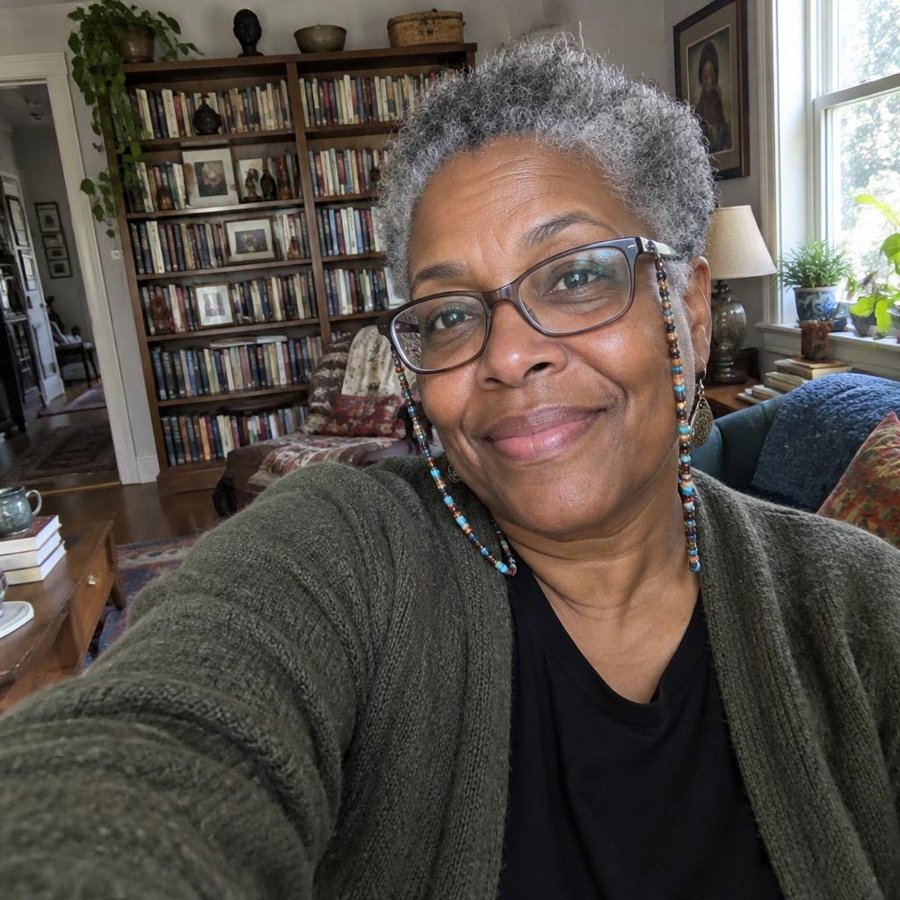
 $95 / hr
Personal storytelling
Ruth Okafor
5.0(11)Childhood, school days and first jobs
Montclair
Mon · Wed · FriBackground checked
Essex County, NJ
A guided conversation about your life, recorded for your family. Old photos welcome. A local pro comes to the house and teaches at your pace, whether it is for you or for Mom or Dad.
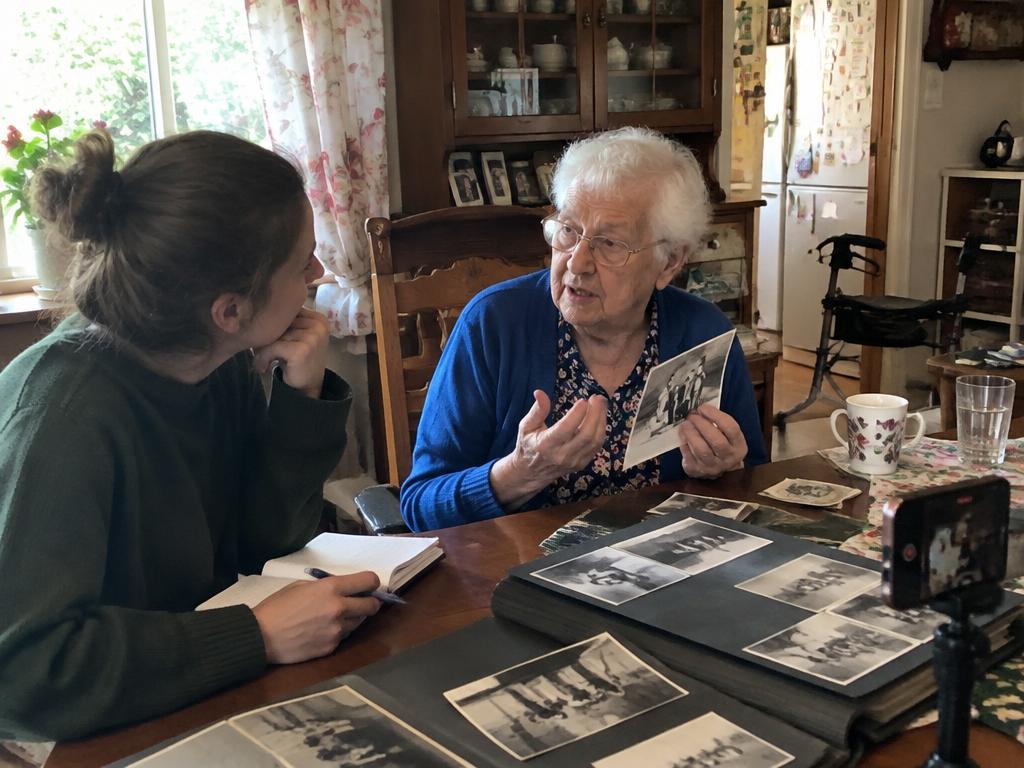 $95 / hr
Personal storytelling
Childhood, school days and first jobs
Montclair
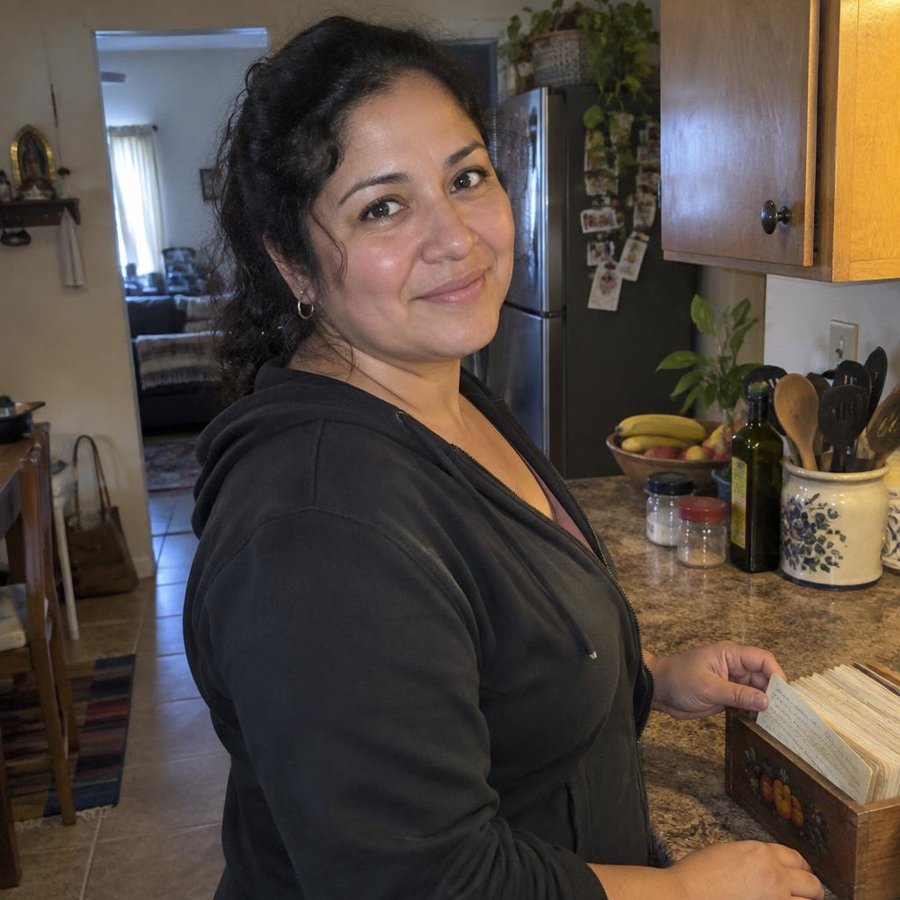 $75 / hr
Personal storytelling + 1 more
Recipes and the stories behind them
Bloomfield
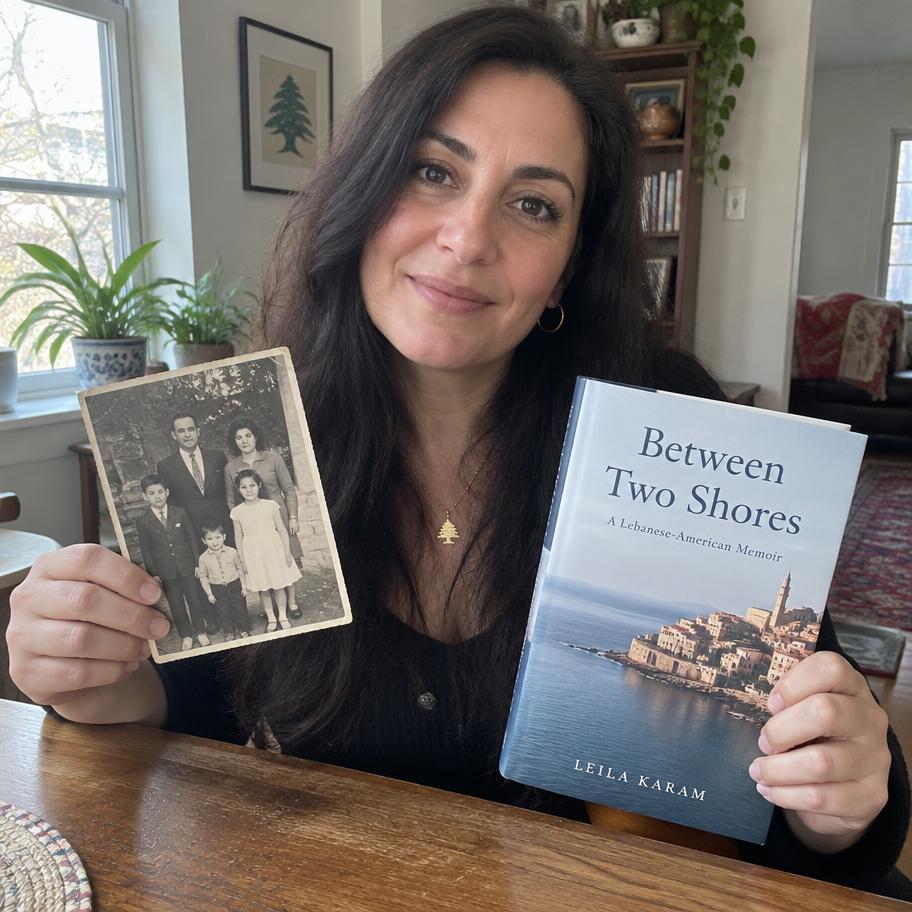 $105 / hr
Personal storytelling
Life stories written up as a printed family book
Short Hills
 $85 / hr
Board and card games + 1 more
Neighborhood and family life stories
Livingston
 $110 / hr
Personal storytelling
Wartime and work-life memories
West Orange
 $120 / hr
Personal storytelling
Family history and immigration stories
Maplewood
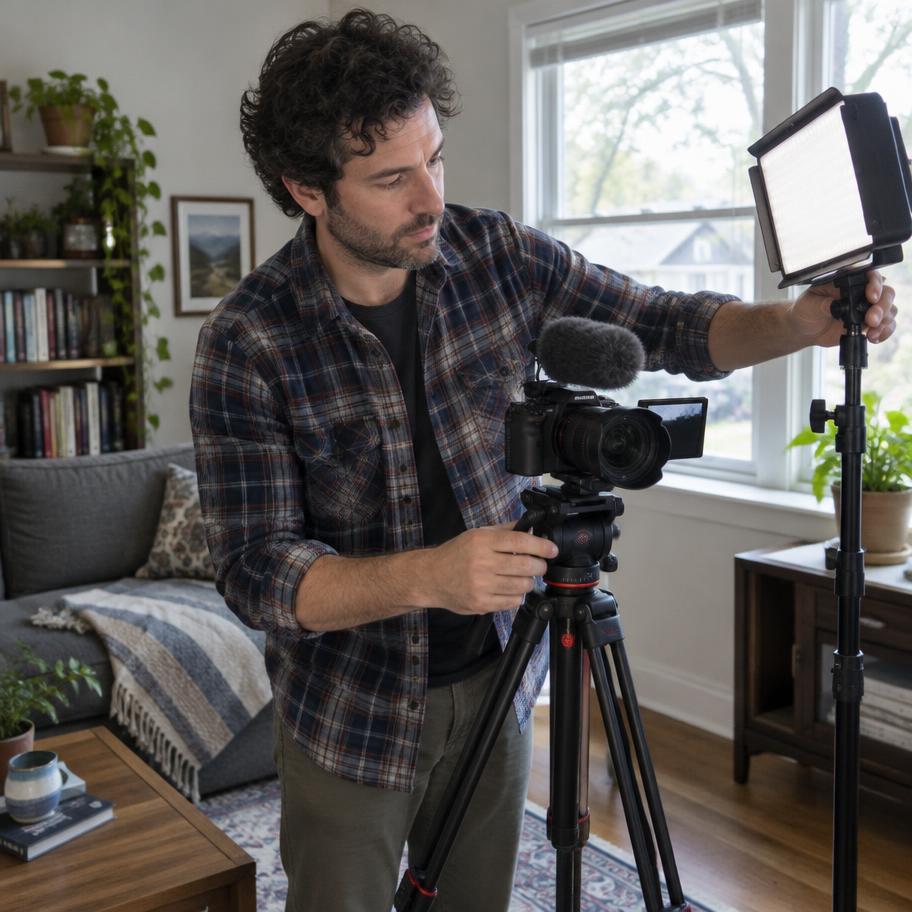 $120 / hr
Personal storytelling
Filmed life stories with camera and lights
Montclair
It is a guided conversation about a parent's life, recorded for the family. A pro comes to the home, sits down with your mother or father, and asks good questions. Where did you grow up? What was your first job? How did you two meet? What was the hardest year, and how did you get through it? The pro listens, follows the interesting threads, and makes sure it all gets captured.
Pros work in different ways, and it is worth knowing which you want. Some bring a video camera and lights and help make a short film from the sessions. Others record audio, which feels less formal and can make shy people more at ease. Some help turn the stories into a printed book. Profiles say which approach each pro offers.
The first hour is mostly about getting comfortable. The pro will set up in a quiet room, test the sound, and start with easy questions. Childhood homes, parents, brothers and sisters, the street they grew up on. People who swear they have nothing interesting to say are usually still talking when the hour is up.
Good interviewers ask for specifics. Not just "tell me about Newark in the 1950s," but "what did you buy on a trip to Bamberger's?" or "what did the kitchen smell like on Sunday?" Those details are what grandchildren remember. The pro will also note topics to come back to next time.
Local places make great prompts in Essex County, where so many families go back generations. Riding the Erie Lackawanna trains to Hoboken for work. A first apartment in the Ironbound. Summer afternoons at a county park. Sunday dinner at a grandmother's house in Orange or Irvington. Mention a few place names you have heard your parent talk about, and the pro can use them to open doors.
After each visit the pro writes a short note about what was covered, so the family can follow along and suggest questions for the next session.
Personal storytelling suits almost any parent who is willing to talk, and plenty who think they are not. It is especially worth doing while memories are still clear and while there are people in the family who want to listen. Adult children often book it after realizing they do not actually know how their parents met, or what Dad did in the service.
Go gently if your parent has hard memories, like war, loss or immigration under difficult circumstances. A good pro will let them steer and never push. It is fine to say in your first message that a certain topic is off limits. For someone with memory loss, shorter sessions, old photos and familiar songs can help bring stories forward, and even partial stories are worth keeping.
Pull together photo albums, a few framed pictures, letters, report cards, a wedding invitation, military papers, recipe cards, anything with a story attached. The pro can use these to prompt memories, and some will include them in a film or book.
Ask siblings and grandchildren to send in questions they have always wanted answered. Five or ten good ones are plenty. Pick a quiet room away from the TV, the dishwasher and the street noise. Turn off the ringer on the phone. A comfortable chair and a glass of water help for longer sessions.
A single visit can capture a lot, but most life stories take several sessions. A common shape: the first couple of weeks cover childhood and family, the middle weeks cover work, marriage and raising kids, and the later weeks cover the lessons and the things they want passed down.
By week six to eight, there is usually a rich set of recordings, and the pro talks with the family about the finished form. A short film with photos and music. A set of audio files the grandkids can listen to. A printed book. Ask early about what is included and how long the finished piece takes, since it varies by pro and format.
Think about who will get copies. A film can be shared at a holiday gathering or a milestone birthday. Audio files are easy to send to every cousin. A printed book can sit on a shelf for decades. Some families do more than one. However it ends up, the recordings themselves are the real treasure: your parent's actual voice telling the story in their own words, with their own pauses and jokes. Keep a backup copy somewhere safe.
Read profiles for format (video, audio, book), towns served, usual days and reviews. Credentials are self-reported unless marked verified. In your message, ask: "Can I see or hear a sample of your past work?" "Who owns the recordings?" "How many sessions do families usually book?" "Can I join remotely to listen in?" Contact details stay private in messages.
Each pro sets an hourly rate between $50 and $150. Visits are 1, 1.5 or 2 hours at that rate, plus a $2.50 booking fee and a 10% service fee at checkout. Many people tire after an hour of talking, so 1 or 1.5 hours is common. Book a single visit, 4 weeks at the same time, or every week until you cancel. Cancelling is free up to 3 days before, 50% between 3 days and 12 hours, and full price inside 12 hours. Homes 20 or more miles from the pro add a $25 travel fee per visit. A gift card from $50 is a meaningful gift for a parent's birthday, or for the sibling who keeps saying someone should do this.
Book a storytelling pro who comes to the home and guides the conversation. They ask the questions, record the answers and keep things moving. Some make a short film with a camera and lights, others record audio or help turn it into a printed book. Check each profile for the format.
It depends on how much your parent wants to share. A single visit captures a good overview. Most families find 4 to 8 sessions cover childhood, work, family and the lessons they want passed down. Booking 4 weeks at the same time is an easy way to start.
Often, yes, with time. Good interviewers start with easy questions and let the person steer. Audio only can feel less intimidating than a camera. Tell the pro in your first message what he is like and any topics to avoid. Many quiet people surprise their families.
It can, with adjustments. Shorter sessions, familiar photos, old songs and specific prompts help bring memories forward. Some days will be better than others. Even partial stories in their own voice are worth keeping. Mention the diagnosis in your first message so the pro can plan.
Yes, and you should. Ask siblings and grandchildren for the questions they have always wanted answered and send them to the pro before the session. You can also suggest new ones after reading the pro's note from each visit.
A quiet room, a comfortable chair, water, and a pile of prompts: photo albums, letters, military papers, recipe cards, a wedding invitation. Turn off the TV and the phone ringer. The pro handles the recording equipment and will tell you if anything else would help.