One-on-one lessons vs group classes: ideas for senior community activity directors
Group programs reach the most residents. One-on-one lessons reach the ones who never come. A practical look at when each works, for activity directors.
By the Home Happenings team · October 1, 2026
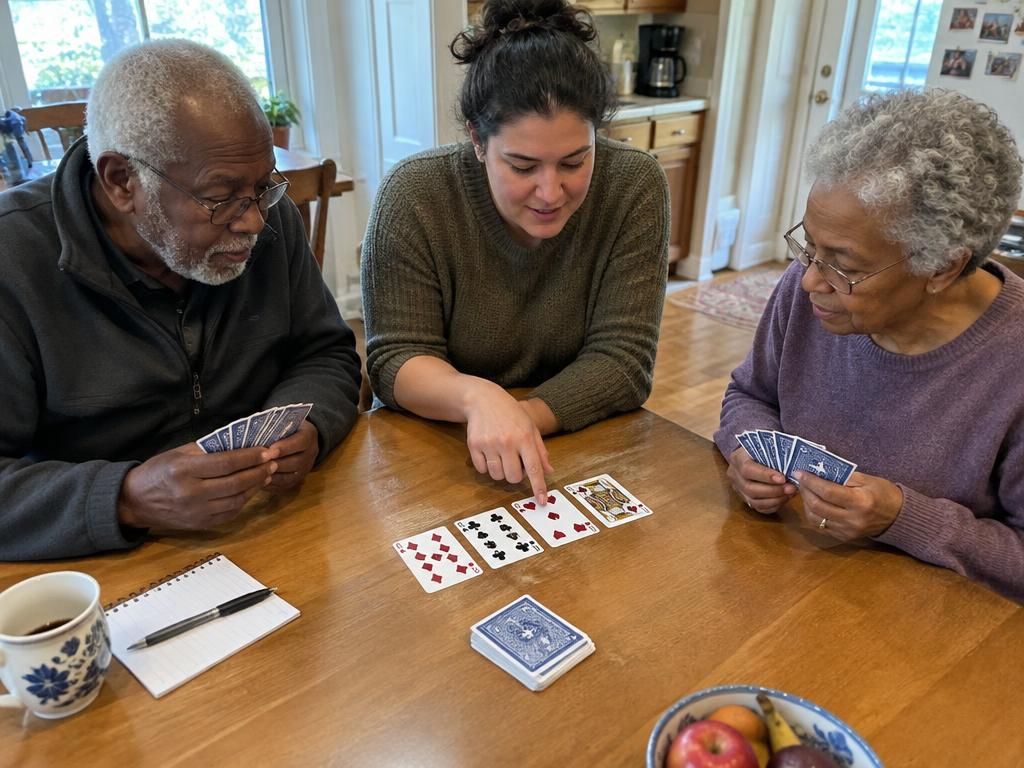
If you run activities at a senior community, you already know your calendar by heart. Chair exercise at ten. Trivia after lunch. Movie night on Thursday. And you probably also know, without looking, which residents you'll never see at any of it.
Group programming is the backbone of community life, and it should be. But it doesn't reach everyone. This post is about where one-on-one lessons fit, where group classes are still the better choice, and how to mix the two without blowing up your budget or your week.
What group classes do well
Groups are efficient and social. One instructor, a dozen residents, an hour of shared experience. People make friends at group classes. They have something to talk about at dinner. They see the same faces every week, which matters more than any single activity.
Groups work best for:
- Activities that are better together. Card games, singing, trivia, dance, discussion groups.
- Residents who like being around people and are comfortable in a room.
- Gentle movement that most people can follow, like chair yoga or a seated stretch class.
- Events. A visiting musician, a holiday party, a cooking demo.
If a group class is well attended and residents seem happy, leave it alone.
Where groups fall short
Every activity director has a list of residents who don't come. Often it's for reasons a group can't solve.
- Hearing or vision loss makes it hard to follow along in a room.
- Skill gaps. The advanced bridge players are bored, the beginners are lost, and nobody is having fun.
- Shyness or pride. Some people won't try something new in front of others.
- Mobility. The resident who can't easily get to the activity room.
- Specific interests. One resident wants to learn guitar. Another wants to record her life story. You can't build a group class around one person.
- Recent moves. New residents who haven't found their footing yet.
For these residents, the calendar can look full and still have nothing on it for them.
What one-on-one lessons do well
A one-on-one lesson is one teacher and one learner, at a pace that fits that person. That's useful in a few specific ways:
- It meets people where they are. A beginner pianist and a returning one need completely different first lessons.
- It's private. Nobody watches you get it wrong.
- It can happen in an apartment. For residents who rarely leave their unit, the lesson comes to them.
- It's personal. A personal storytelling session, recorded for the resident's family, only works one-on-one.
- It can lead back to the group. A resident who learns Mahjong basics privately may be more willing to join the Tuesday table.
Activities that work both ways
Some activities shift easily between formats. A few ideas:
Card and board games. Run a weekly group Mahjong or Canasta table (those games need four players), and offer one-on-one chess for the resident who wants a real opponent. A pro who brings the game and teaches works well for either. See board and card games.
Art. A group watercolor class for the regulars, plus private lessons for someone working on a serious project.
Music. Group singing in the common room, private music lessons for the resident with a keyboard in their apartment. If you're looking at music therapy, make sure the therapist is board certified (MT-BC). A music teacher is a great thing to have, but is a different role.
Movement. Group chair yoga for most, one-on-one training for a resident who is building back strength and balance after PT has ended. A trainer is not a physical therapist, and shouldn't be presented as one.
Tech help. A group session on "how to video call" is useful. One-on-one help for the resident whose phone is a mess of notifications is often more useful.
Who pays, and how to make it work
This is where the two formats differ most.
Group programs usually come out of the community's activity budget. One-on-one lessons can work a few ways, depending on your community:
- The resident or their family books and pays. Families often welcome this. An adult child out of state can book, pay and read a short note after each visit.
- The community books for a small group. A Mahjong table of four, a garden club of three.
- A mix. Group class on the community budget, private follow-up lessons booked by families who want more.
Whichever route you take, it helps to be clear with families about who is booking and who is paying before anyone schedules a first visit.
A simple way to start
You don't need to overhaul your calendar. Try this:
- Make a short list of five residents you rarely see at activities.
- For each, find out one thing they used to love or always wanted to learn.
- Share that with their family, along with the option of a one-on-one lesson.
- After a few weeks, ask the resident what they think.
- Look for anyone who might be ready to try the related group activity.
Keep what works. Drop what doesn't.
Questions directors ask
Do outside pros need to be vetted? You'll have your own policies. On Home Happenings, every pro is background checked and vetted by our team, and profiles show credentials, reviews and the towns each pro serves.
Where do you work? We currently serve 14 towns in Essex County, NJ, including Montclair, Livingston, Millburn, Short Hills and the Caldwells.
Can families message a pro before booking? Yes. Contact details stay private in messages.
For communities
If you run activities at a community in Essex County and want to explore how one-on-one lessons could fit alongside your group calendar, our senior communities page explains how it works. You can also browse in-home activities to see the kinds of pros in your area, or reach us through our contact page.
Related activities
- Board and card gamesMahjong, bridge, canasta, or someone to play a real game of chess with.
- Music lessonsLearn an instrument, sing favorite songs or explore music at your pace.
- Personal storytellingA guided conversation about your life, recorded for your family. Old photos welcome.
- YogaPractice gentle yoga and breathing with clear, personal instruction.
Find a local pro
Checked and vetted professionals who teach at home across Essex County.
Browse professionals