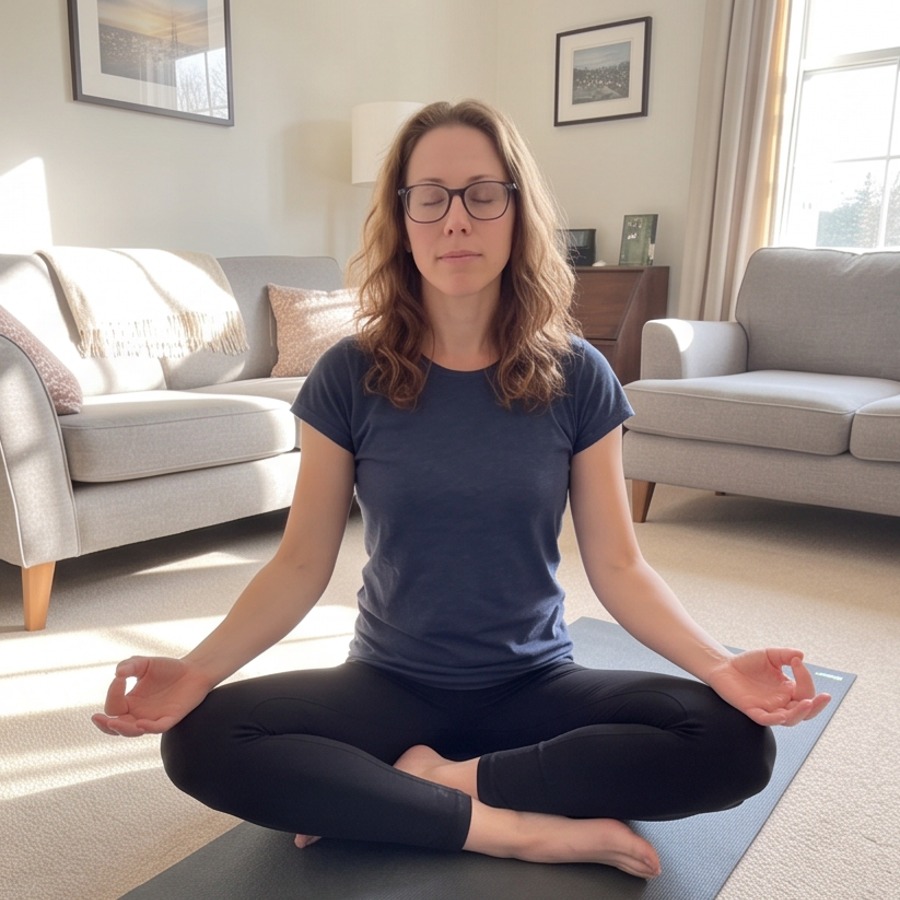
 $75 / hr
Yoga + 1 more
MahjongBridge
Elena Brooks
5.0(8)Chair yoga and slow breathing practice
Livingston
Mon · Wed · FriBackground checked
Essex County, NJ
Practice gentle yoga and breathing with clear, personal instruction. A local pro comes to the house and teaches at your pace, whether it is for you or for Mom or Dad.
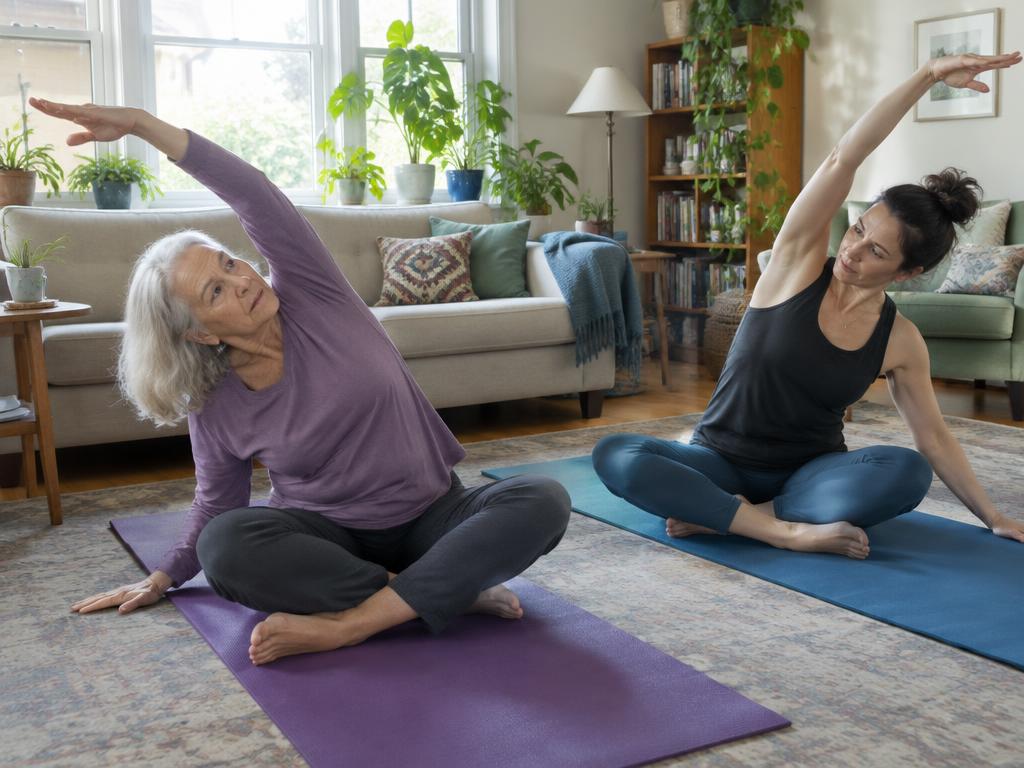 $75 / hr
Yoga + 1 more
Chair yoga and slow breathing practice
Livingston
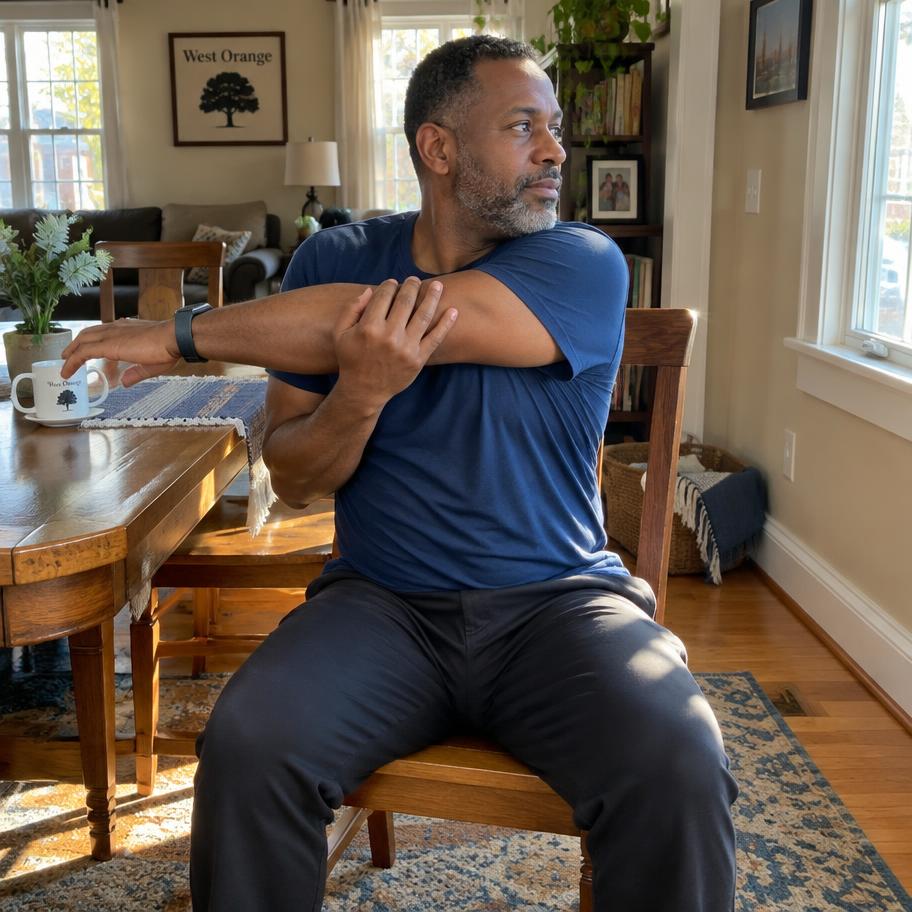 $85 / hr
Yoga
Chair yoga and balance
West Orange
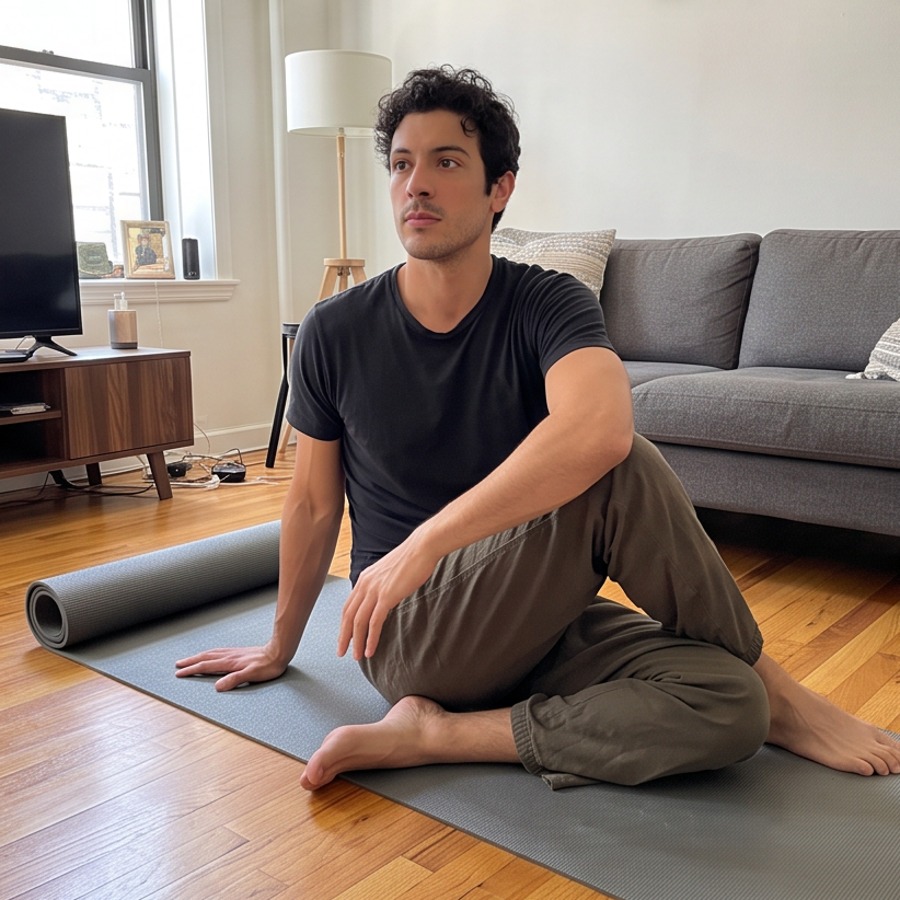 $65 / hr
Yoga + 1 more
Chair yoga and breathing for stiff joints
Maplewood
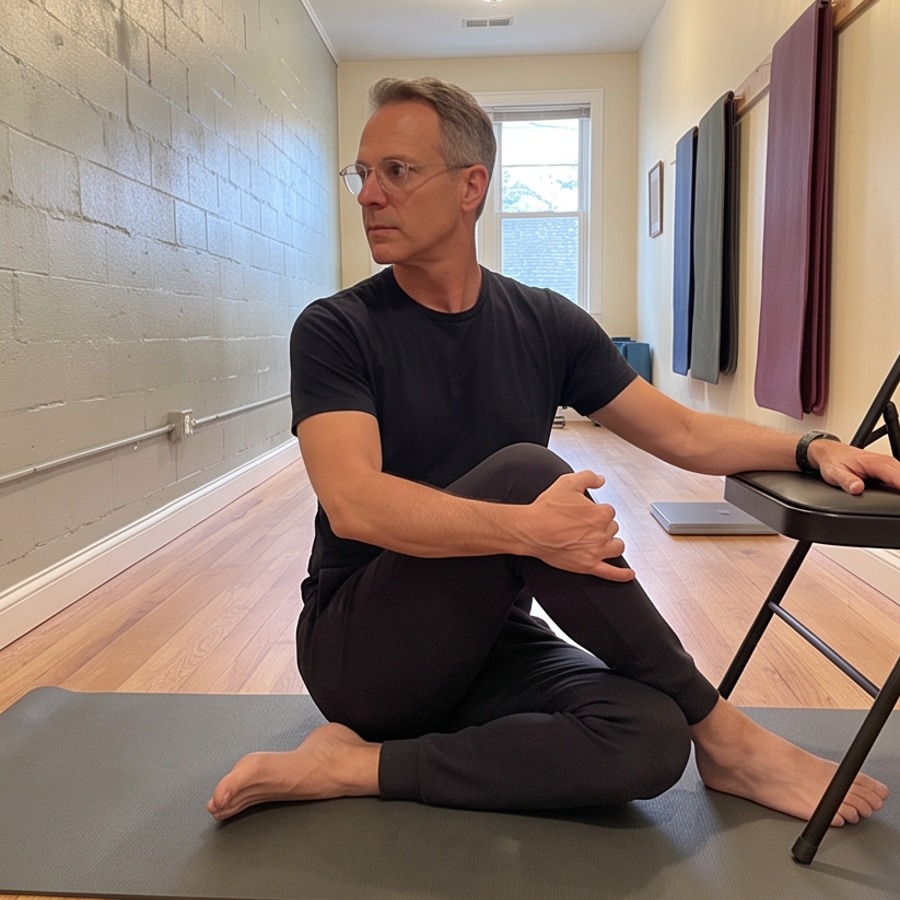 $60 / hr
Yoga + 1 more
Chair yoga, breathing and balance work
South Orange
 $85 / hr
Yoga
Chair yoga and balance
Caldwell
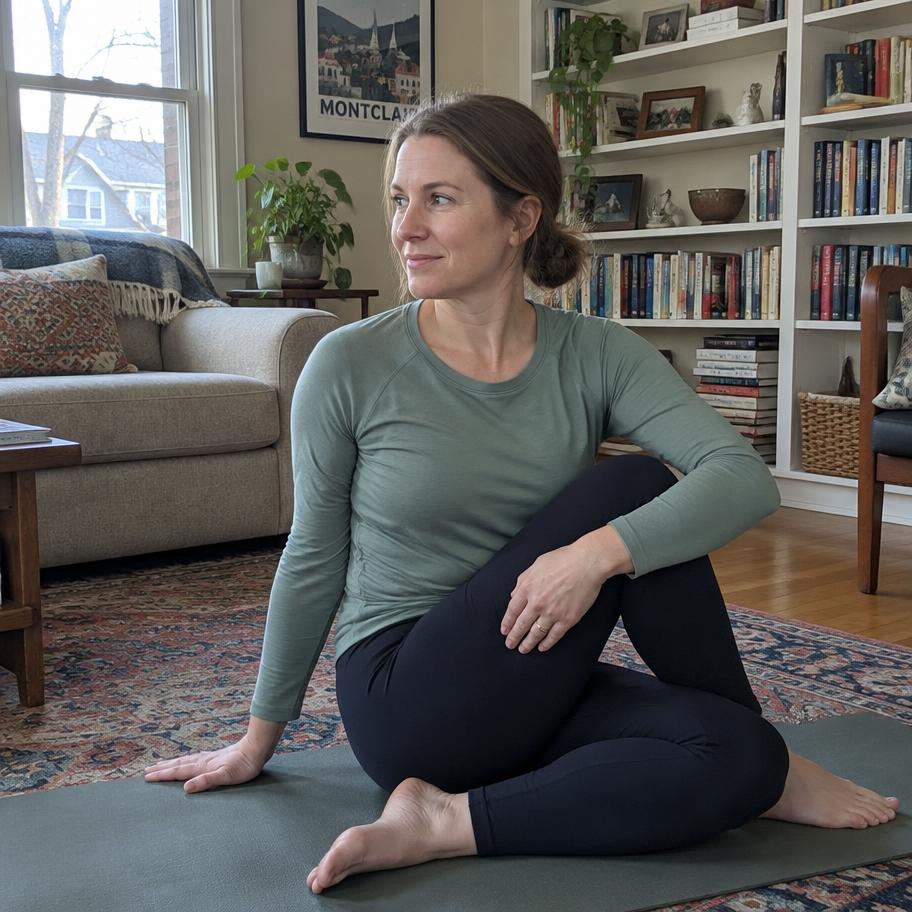 $90 / hr
Yoga
Chair and gentle mat yoga
Montclair
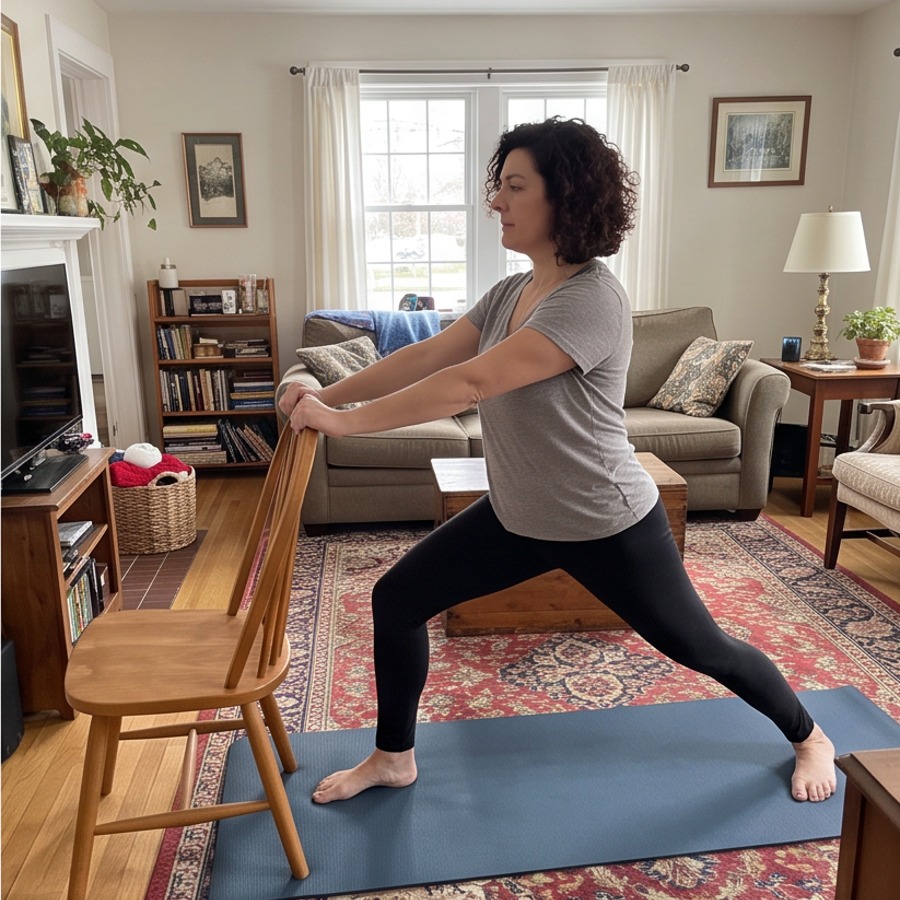 $140 / hr
Yoga + 1 more
Chair yoga, breath work and gentle voice lessons
Paramus
The teacher will usually start by looking at your space and picking the right chair. A sturdy dining chair without arms or wheels is perfect. Then comes a short conversation. Any sore spots? Trouble with knees, hips, shoulders or the lower back? Dizziness when standing up? This is not small talk. It shapes every movement that follows.
A first session is slow on purpose. It often opens with a few minutes of breathing: in through the nose, a long easy breath out. Then gentle movement while seated. Shoulder rolls, neck turns, reaching one arm up and over, ankle circles, a seated twist. If you are steady on your feet, the teacher may add a few standing poses with one hand on the chair back. The last few minutes are usually quiet, eyes closed or soft, just breathing.
Nobody needs to touch their toes. The goal of the first hour is simply to finish feeling looser and calmer than when you started.
If you are booking for a parent who lives alone, it can help to be on the phone for the first two minutes of the visit, just to say hello and explain who is at the door. After that, step away. People tend to relax more without an audience. You will get the teacher's short note afterward with what they worked on and anything to practice before next week.
Chair yoga suits almost anyone who can sit up comfortably, including people who use a walker, have trouble getting down to the floor, or are just starting to move again after a long stretch of not moving much. Everything happens in or beside the chair, so there is little risk of a fall.
Gentle yoga uses a mat and some standing and floor work, done slowly with plenty of support. It is a good fit for people who are fairly mobile and want a bit more challenge, or for someone who did yoga years ago and wants to get back to it without joining a crowded class.
Breathing practice can be a whole session or part of one. It suits people who feel anxious, sleep poorly or just want a quieter hour in the week. It also works well on days when the body is not up for much else.
Yoga may not be the right fit right now for someone recovering from a recent surgery or injury, or someone with a condition that makes certain positions unsafe. Check with their doctor first, then share any limits with the teacher.
For chair yoga: one armless, sturdy chair with a flat seat, set on a non-slip floor or rug that will not slide. Clear enough room to stretch your arms out to the sides without hitting a lamp. A small pillow or folded towel can help with posture.
For gentle yoga: a mat, a wall nearby for support, and a chair within reach. Many teachers bring blocks or straps. Wear comfortable clothes that do not bind at the waist. Bare feet or socks with grips are best. A quiet room helps too, so turn off the TV and put the phone in another room for the hour if you can.
The first couple of sessions are mostly about learning the shapes and the breathing so they feel familiar. By week three or four, people usually move through the routine with less thinking and more ease. Turning to look over a shoulder while driving, or reaching a high shelf, may start to feel a little easier.
By weeks six to eight, the teacher will often add small challenges. Holding a pose a few breaths longer. A standing balance with only fingertips on the chair. A longer quiet rest at the end. Many people also start using the breathing on their own, at bedtime or in the waiting room before an appointment.
Good weather is a nice time to try a few moves outside. A bench by the water at Verona Park, or a shady spot at Brookdale Park, makes a fine place for five minutes of breathing on a walk.
Look for teachers who list gentle or chair yoga specifically, not only vigorous styles. Check the towns they serve, their usual days and reviews from other families. Training and certifications are self-reported unless marked verified.
Pay attention to voice and pace. A yoga teacher spends most of the hour talking you through movements, so someone who speaks clearly, slowly and not too softly makes a real difference, especially for anyone with hearing aids. Reviews often mention this. So does the tone of their messages. If a teacher writes in a calm, plain way, they probably teach that way too.
Then send a message. "My mother has arthritis in both knees and can't get down to the floor. What would a session look like for her?" "Do you bring props?" "How do you adjust if she gets lightheaded?" "Do you teach breathing she can do on her own?" A good teacher will ask you questions back. Contact details stay private in messages, so you can share what you need to.
Teachers set their own hourly rate between $50 and $150. Visits are 1, 1.5 or 2 hours at that rate, plus a $2.50 booking fee and a 10% service fee at checkout. For yoga, one hour is right for nearly everyone.
Yoga works best as a habit, so most people book 4 weeks at the same time or every week until they cancel. A single visit is a fine way to try a teacher. Cancelling is free up to 3 days before. Between 3 days and 12 hours, 50% is charged. Inside 12 hours, the full visit is charged. Homes 20 or more miles from the teacher add a $25 travel fee per visit. Gift cards start at $50.
It is gentle, but it does real work. Chair yoga stretches tight muscles, practices balance and posture, and adds slow strength through the legs, back and shoulders. Many people also find the breathing calming. It is a good place to start, and it can grow more challenging over time.
Yes, chair yoga is designed for exactly that. He stays seated for most of the session, and any standing poses use the chair back for support. Mention the walker in your first message so the teacher can plan where to set up and how to move safely.
Not for chair yoga. You only need a sturdy armless chair on a floor that will not slip. For gentle yoga with some floor or standing work, a mat helps, and many teachers bring props like blocks and straps. Ask in your message before buying anything.
The whole hour is built around one person. The teacher can slow down, skip what hurts and repeat what helps. There is no commute, no crowded room and no pressure to keep up. For many older adults, that makes it much easier to start and to keep going.
Yes. You can message teachers, book and pay from anywhere. Tell the teacher about any health limits in your first message. After each visit you can read the teacher's short note, so you will know how it went and what she is practicing between sessions.
Tell the teacher right away. They can pause, switch to seated breathing or end early. It is wise to eat something light an hour before and keep water nearby. If dizziness is new or frequent, check with her doctor before the next session.