 $65 / hr
Board and card games + 1 more
BridgeCanasta
Priya Chandra
5.0(3)Rummy, poker basics and chair stretch breaks
Glen Ridge
Uses what you have at homeTue · Thu · Sat · SunBackground checked
Essex County, NJ
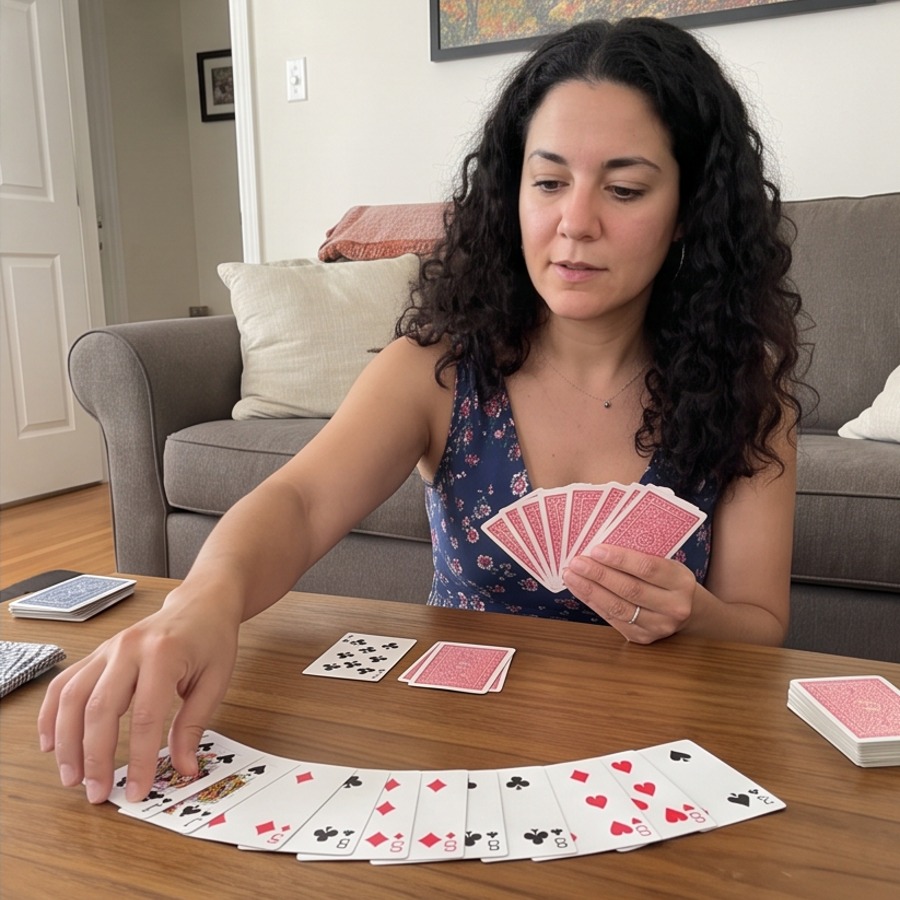
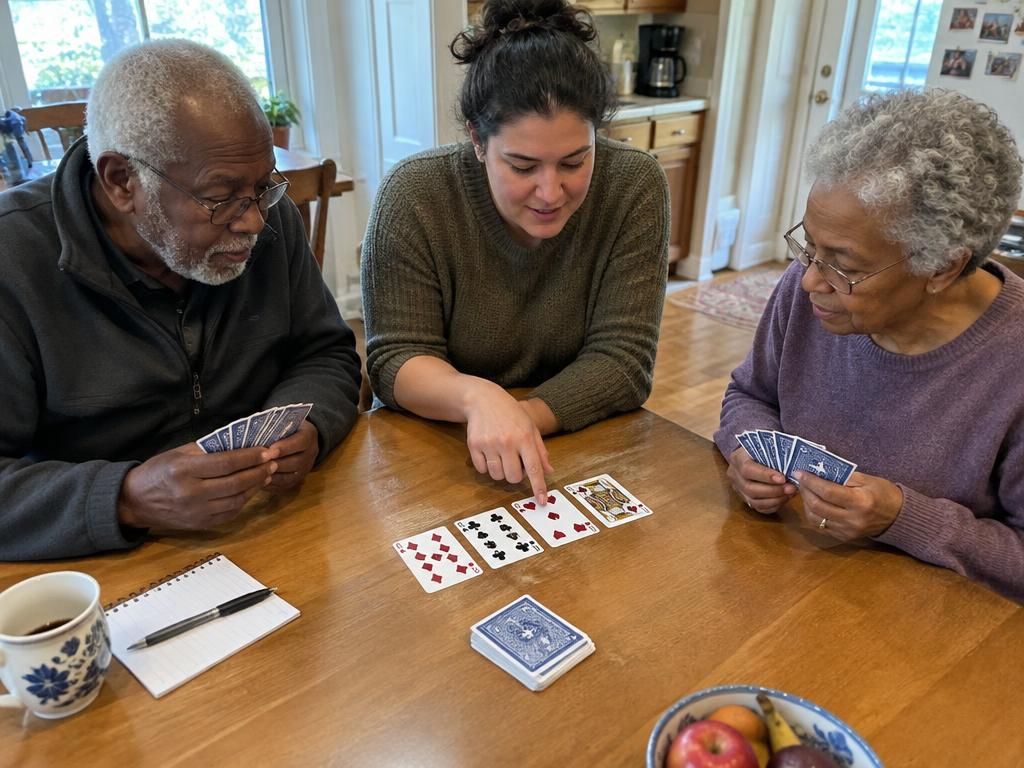
Mahjong, bridge, canasta, or someone to play a real game of chess with. A local pro comes to the house and teaches at your pace, whether it is for you or for Mom or Dad.
 $65 / hr
Board and card games + 1 more
Rummy, poker basics and chair stretch breaks
Glen Ridge
 $80 / hr
Board and card games + 1 more
Beginner bridge, bidding and spades
South Orange
 $75 / hr
Yoga + 1 more
Chair yoga and slow breathing practice
Livingston
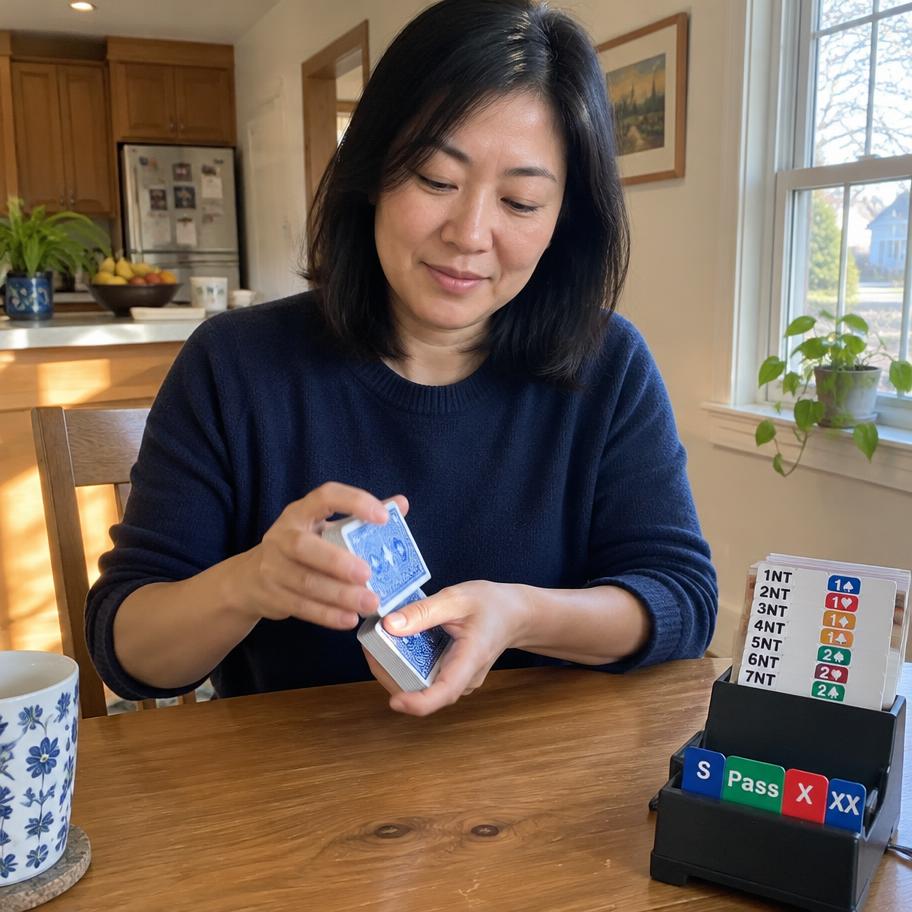 $80 / hr
Board and card games
Bridge bidding and Chinese style mahjong
Millburn
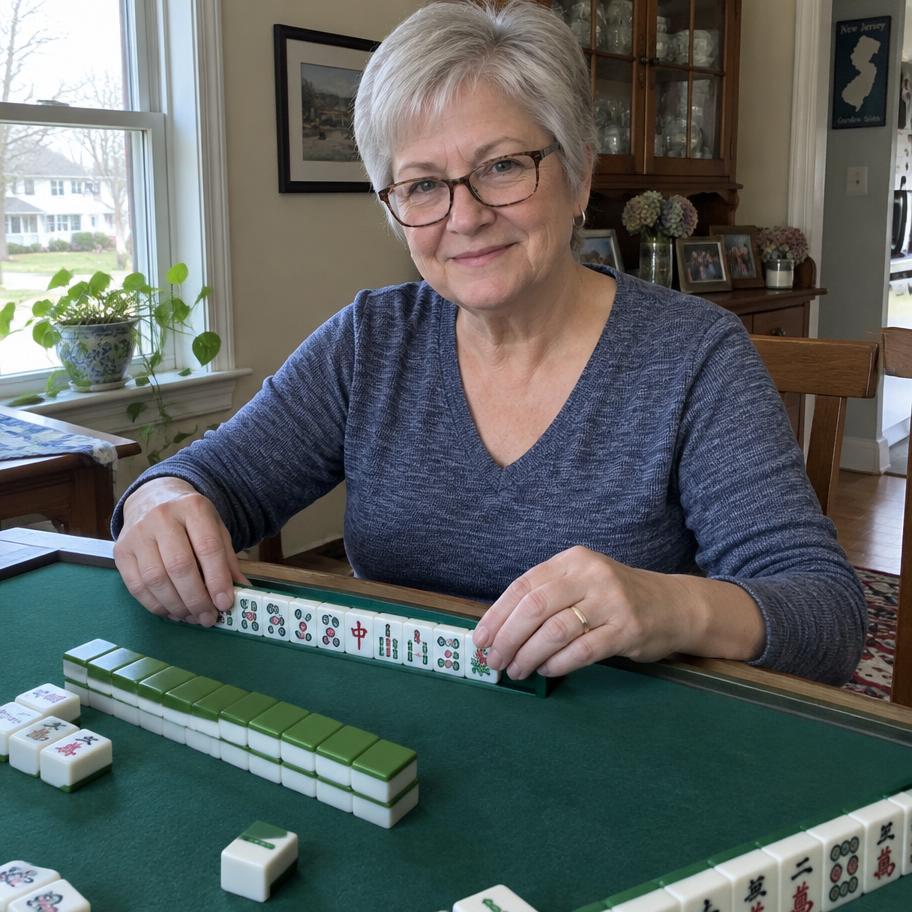 $65 / hr
Board and card games
American mahjong and canasta for new tables
Livingston
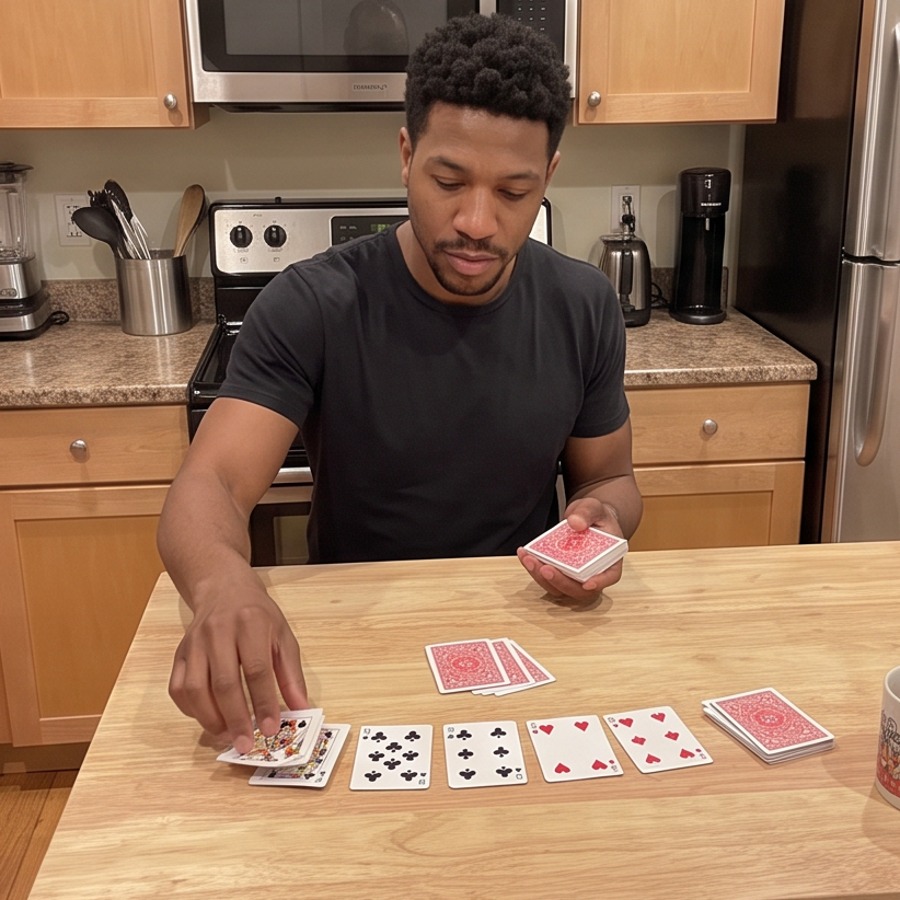 $60 / hr
Board and card games
Beginner bridge, bidding basics and cribbage
Montclair
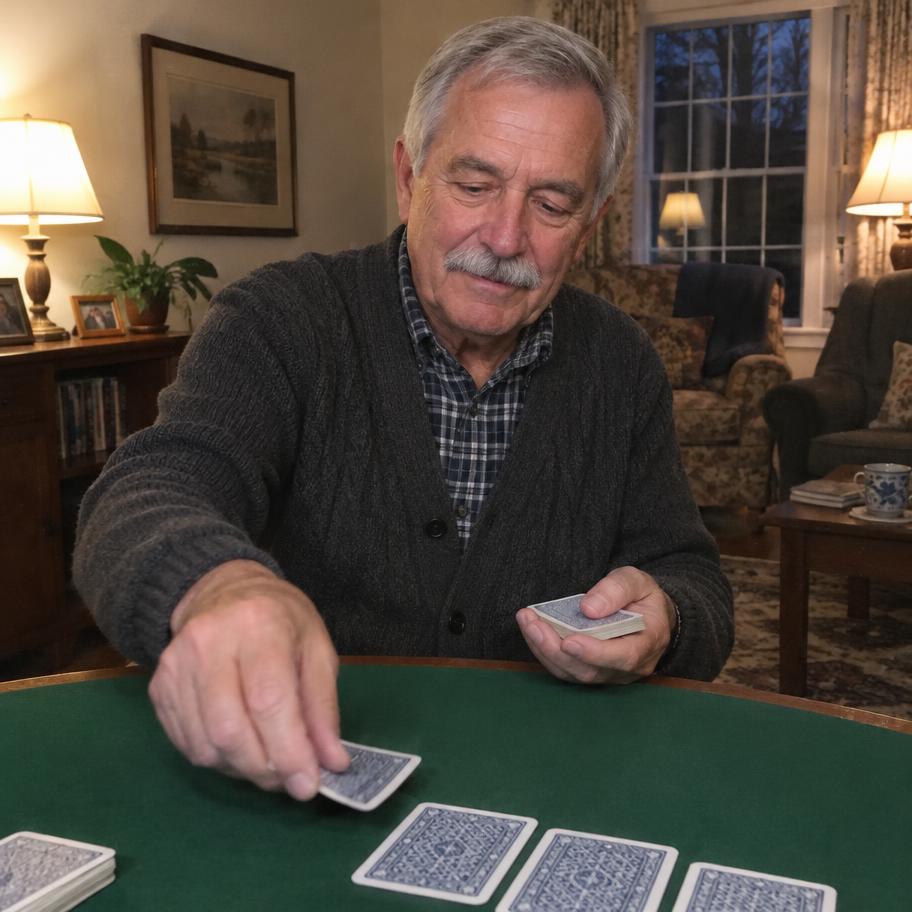 $70 / hr
Board and card games
Rubber bridge for beginners and rusty players
Morristown
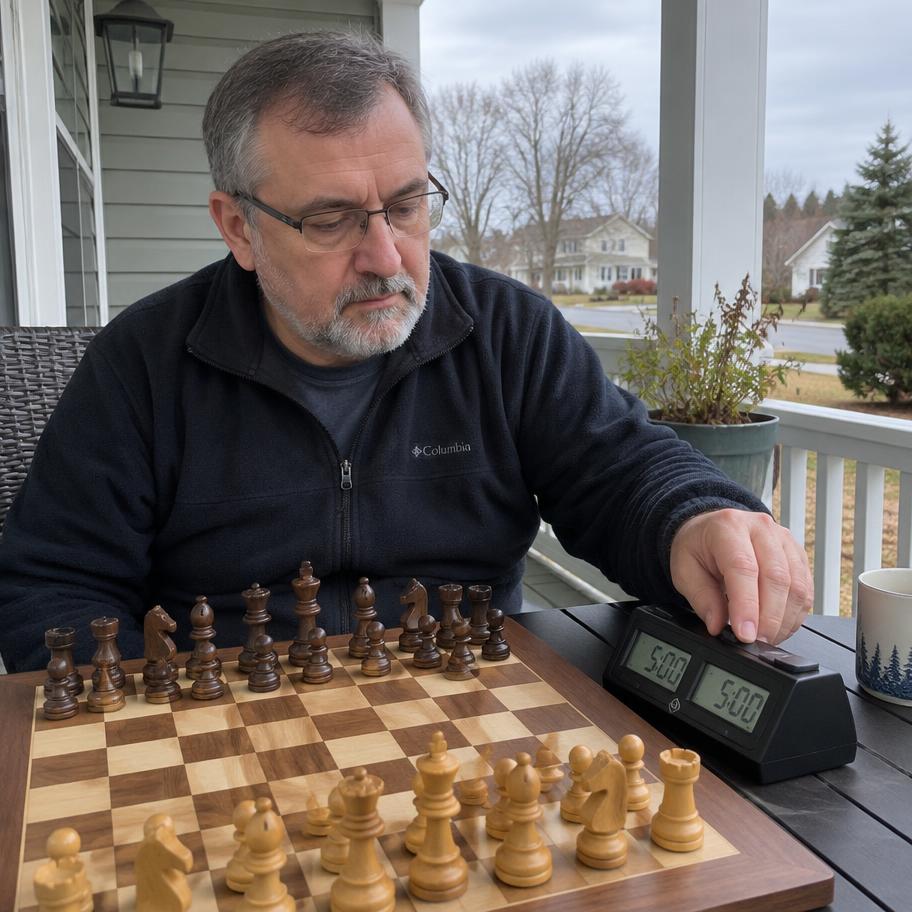 $60 / hr
Board and card games
Chess partner and patient bridge teacher
Bernardsville
 $95 / hr
Board and card games + 1 more
Beginner watercolor, and bridge for a friendly four
Bernardsville
 $55 / hr
Board and card games
Canasta and beginner mahjong for family tables
Bloomfield
 $80 / hr
Board and card games + 1 more
Canasta, gin rummy, poker and dominoes
Montclair
 $70 / hr
Board and card games + 1 more
Rummikub, gin rummy and Uno
Verona
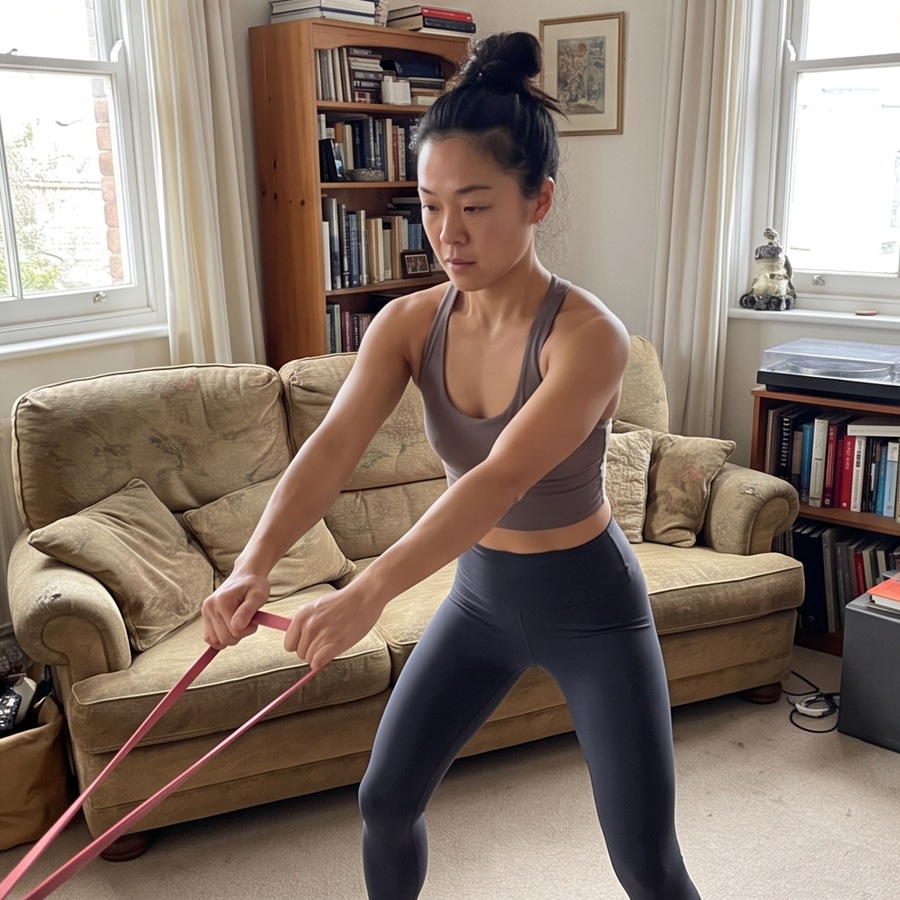 $60 / hr
Board and card games + 1 more
Rummy, gin and cribbage for beginners
Millburn
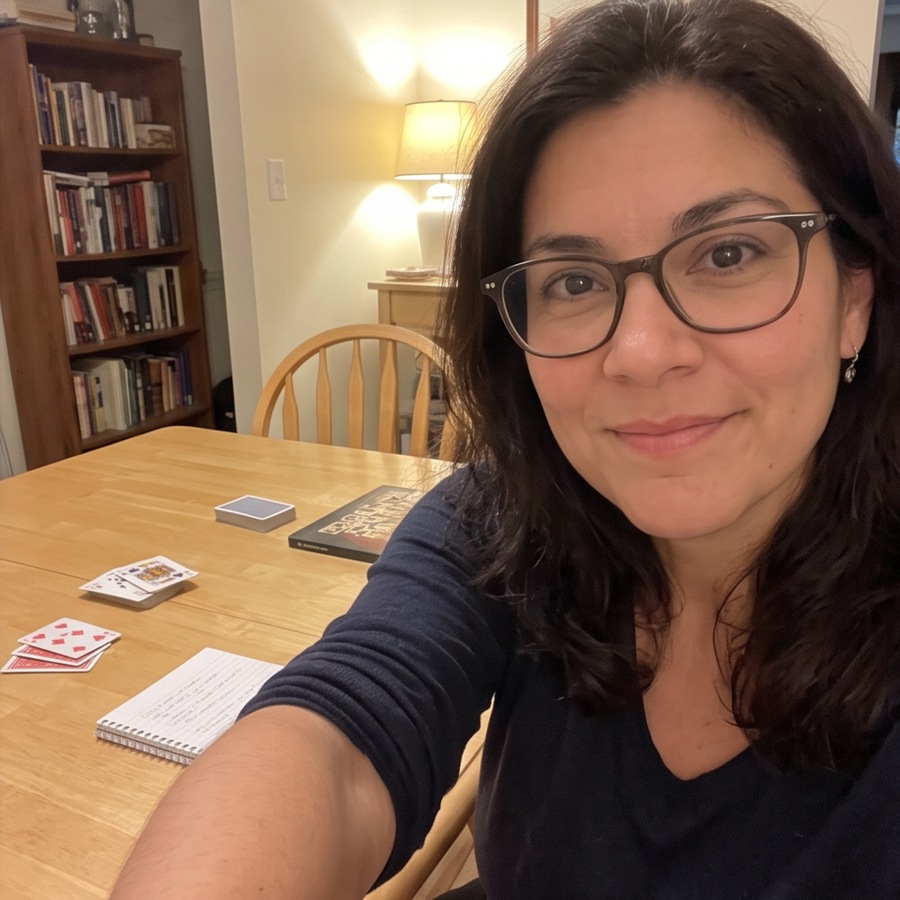 $85 / hr
Board and card games
Beginner bridge and friendly duplicate
Verona
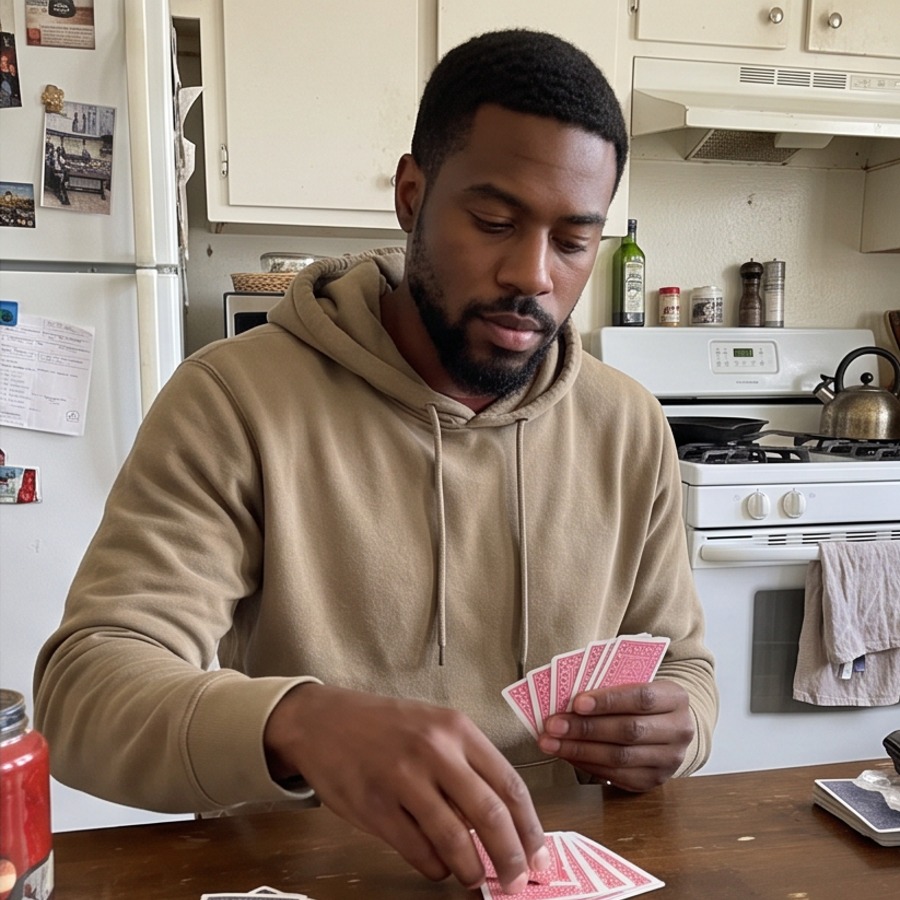 $115 / hr
Board and card games + 1 more
Euchre, poker night and everyday strength
Glen Ridge
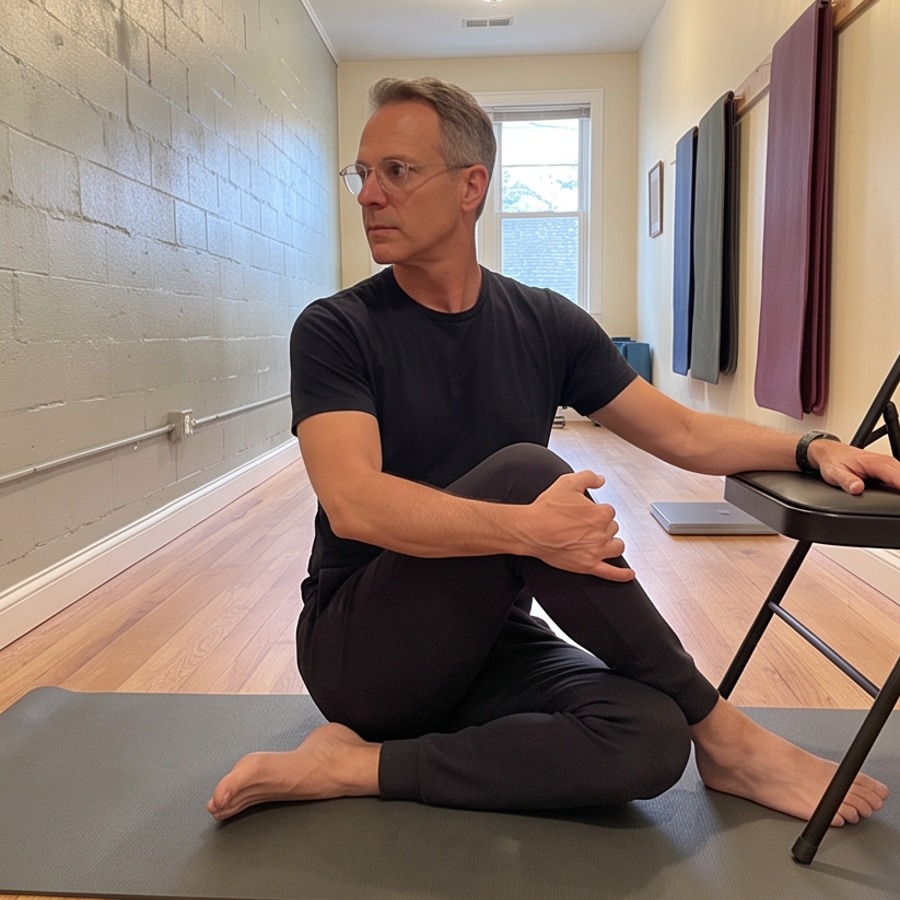 $60 / hr
Yoga + 1 more
Chair yoga, breathing and balance work
South Orange
 $75 / hr
Board and card games + 1 more
Canasta, gin rummy and hand and foot
Montclair
 $85 / hr
Board and card games + 1 more
Neighborhood and family life stories
Livingston
 $65 / hr
Board and card games
Canasta, hand and foot, and gin rummy
Montclair
 $65 / hr
Board and card games + 1 more
Spades, rummy and chair stretches between hands
South Orange
 $65 / hr
Board and card games + 1 more
Beginner and returning bridge players
Livingston
 $85 / hr
Board and card games + 1 more
Cribbage, pinochle and seated strength work
Short Hills
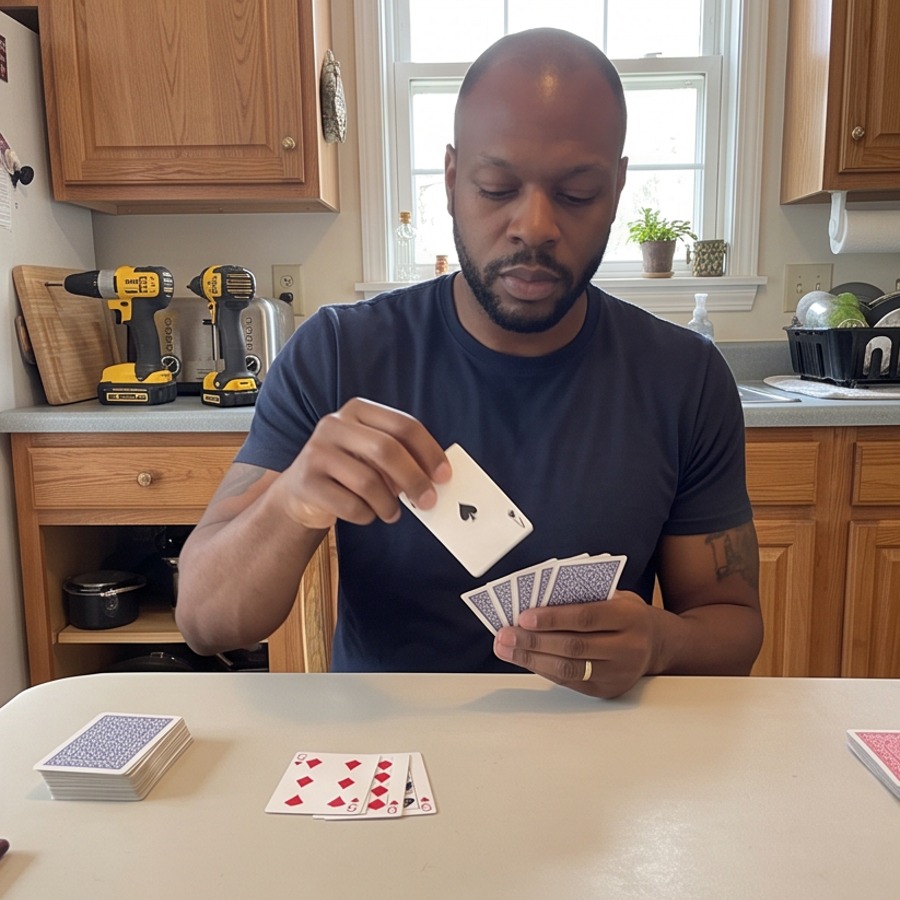 $65 / hr
Board and card games + 1 more
Gin rummy, spades, cribbage and pinochle
West Orange
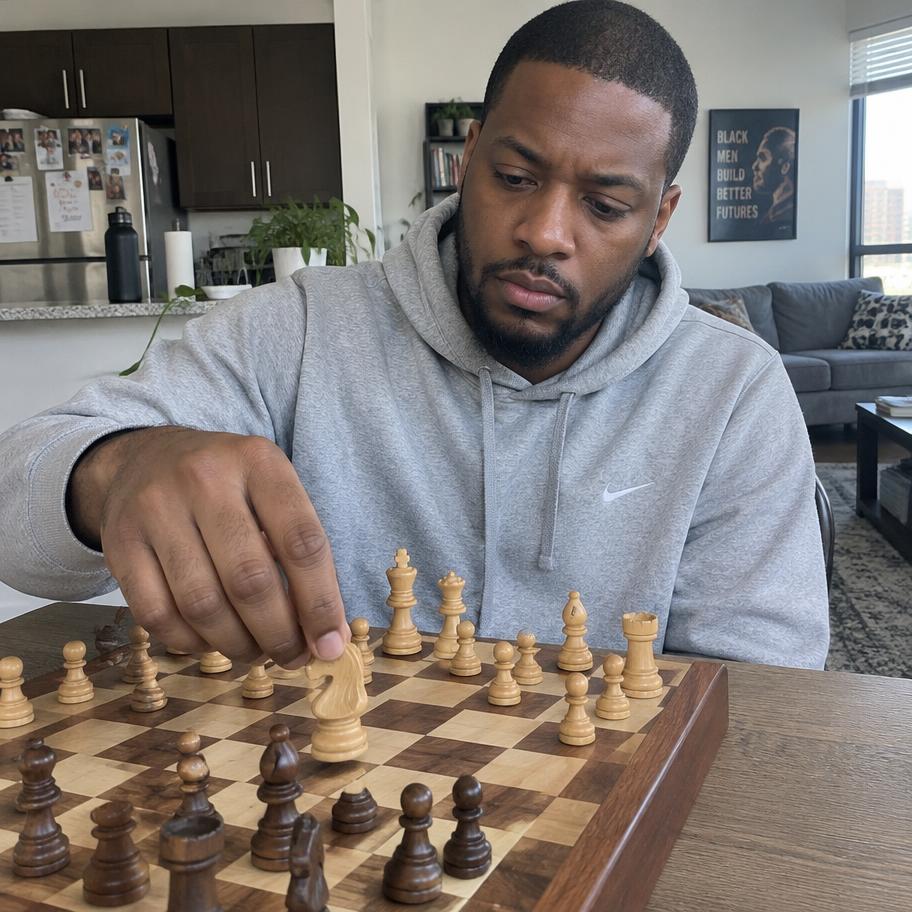 $50 / hr
Board and card games
Weekly chess games, with tips if you want them
South Orange
Board and card games on Home Happenings come in four options: Mahjong, Bridge, Canasta and Chess. They sound similar on a menu, but the visits feel quite different, so it helps to know what you are signing up for.
Mahjong and Canasta are table games for four. You set up the table and gather the players (friends, neighbors, a sister who lives nearby, the couple across the street). The pro brings the game and teaches it. Because it takes a few sessions for a new group to really learn the rules and start playing on its own, these two require booking at least 4 visits.
Bridge is the thinking person's card game: bidding, partnerships, counting cards. A pro can teach beginners, refresh someone who played for decades, or help a group sharpen up.
Chess is mostly about having someone to play a real game with every week. Many people know how to play but have nobody to sit across from. Some pros also teach, from the basics up to openings and endgames.
For Mahjong, the first lesson usually starts with the tiles themselves. Suits, honors, flowers, what a pung and a kong are. The pro will walk everyone through building the wall, dealing and a few practice hands with all the tiles face up so people can see what is happening. Expect lots of questions and lots of laughing. Nobody remembers it all the first week.
For Canasta, it starts with melds and the value of each card, then a slow practice hand. For Bridge, a beginner session covers the basics of tricks, trumps and a simple way to start bidding. For Chess, the first visit is often just a game, so the pro can see how you play, followed by a friendly look back at a couple of key moves.
After each visit the pro writes a short note about what the group covered. It is handy for whoever is organizing the table, and for family who want to know how the new Tuesday game is going.
Table games suit social people, people who used to have a regular game and lost it when friends moved away, and people who like a mental workout that does not feel like homework. A standing game is a natural reason to get friends together every week. Card games can be good for staying sharp and social, though nobody should promise more than that.
They may not suit someone who finds groups tiring, or someone whose vision makes small tiles and cards hard to read. Large print playing cards and bigger Mahjong tiles exist, so ask the pro. For a quieter person, weekly Chess with one opponent can be a better fit than a lively table of four.
You need a sturdy square or round table with room for four chairs, good overhead light and space for tiles or a discard pile. Card tables work if they do not wobble. Armchairs that are comfortable for two hours matter more than you would think.
For Mahjong and Canasta, the pro brings the game, but you are in charge of the players. Line up three others before you book, and pick a time that works for everyone for at least four weeks. If someone drops out, a family member can often fill the seat. Snacks are optional but traditional. Keep them away from the tiles.
If you are organizing this for a parent from out of town, the players are the part you cannot do from a laptop. Call a neighbor or two, or a cousin who lives nearby, and ask if they would be up for a weekly game for a month. People say yes more often than you would expect, especially when someone else is handling the teacher and the schedule. Once the group exists, the booking and the messages with the pro can all happen from wherever you are.
With Mahjong, week one is learning the tiles and the flow of a hand. By weeks two and three, players are building hands from the card on their own with the pro coaching. By week four, most groups can play a full game with some help, and many keep going with the pro for a few more weeks to get confident. Canasta usually moves a little faster.
Bridge takes longer, and that is part of the appeal. Over eight weeks, beginners can learn to play hands and bid simply. Returning players get their old skills back quickly. With Chess, a weekly opponent tends to sharpen anyone's game. You start thinking a move or two further ahead, and the rematch becomes something to look forward to.
Profiles show which games each pro offers, towns served, usual days and reviews. Credentials are self-reported unless marked verified. Ask in a message: "Which Mahjong card or rules do you teach?" "Have you taught complete beginners together with people who have played before?" "For Chess, do you teach, or mostly play?" Contact details stay private in messages.
Pros set their own hourly rate between $50 and $150. Visits are 1, 1.5 or 2 hours at that rate, plus a $2.50 booking fee and a 10% service fee at checkout. For table games, 1.5 or 2 hours is common, since a full game takes time. Remember Mahjong and Canasta need at least 4 visits. Cancelling is free up to 3 days before, 50% between 3 days and 12 hours, and full price inside 12 hours. Homes 20 or more miles from the pro add a $25 travel fee per visit.
Both are played at a table of four, and you learn them by playing real hands. You gather the players (friends, neighbors or family), and the pro brings the game and teaches. It takes a few sessions for a new group to play on its own, so these require booking at least 4 visits.
Start with neighbors, friends from her house of worship, or a relative nearby. Family members can fill a seat on visit days. If four people truly is not possible right now, Chess or Bridge lessons may be a better starting point, and you can ask the pro for ideas.
Yes. For Mahjong and Canasta the pro brings the game and teaches it. You provide the table, the chairs and the players. Once the group is hooked, the pro can suggest what to buy so you can keep playing between lessons.
That is exactly what most Chess visits are. Many people know the game but have nobody to play with. A pro comes each week for a real game. Some will also teach or talk through moves afterward, so mention in your message how much coaching he would like.
Most groups choose 1.5 or 2 hours, since learning plus a full game takes time, especially early on. A Chess visit might be 1 or 1.5 hours depending on how many games you play. Visits are priced at the pro's hourly rate, plus a $2.50 booking fee and a 10% service fee.
Yes. Many people played bridge for decades and stopped when their partner or group moved on. A pro can bring the bidding back quickly, update anyone on conventions they may have missed, and get them comfortable enough to join a game again.