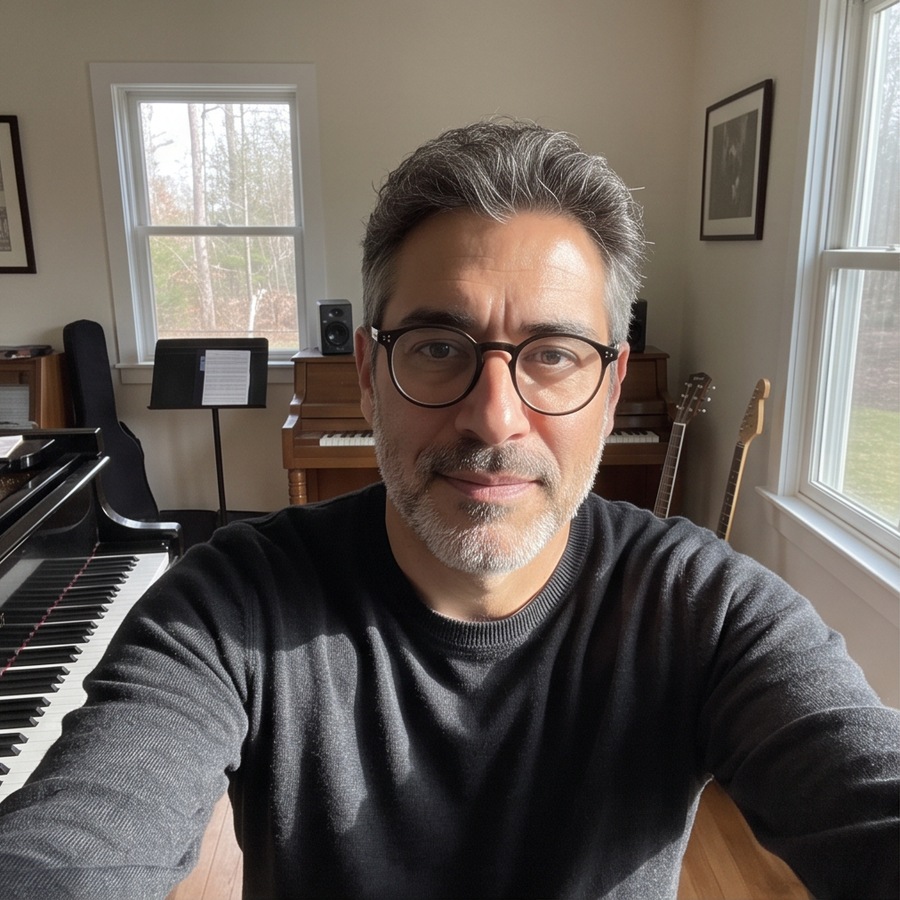
 $65 / hr
Music lessons + 1 more
Guitar
Leo Park
5.0(4)Guitar and ukulele, oldies and standards
West Orange
Mon · Wed · FriBackground checked
Essex County, NJ
Learn an instrument, sing favorite songs or explore music at your pace. A local pro comes to the house and teaches at your pace, whether it is for you or for Mom or Dad.
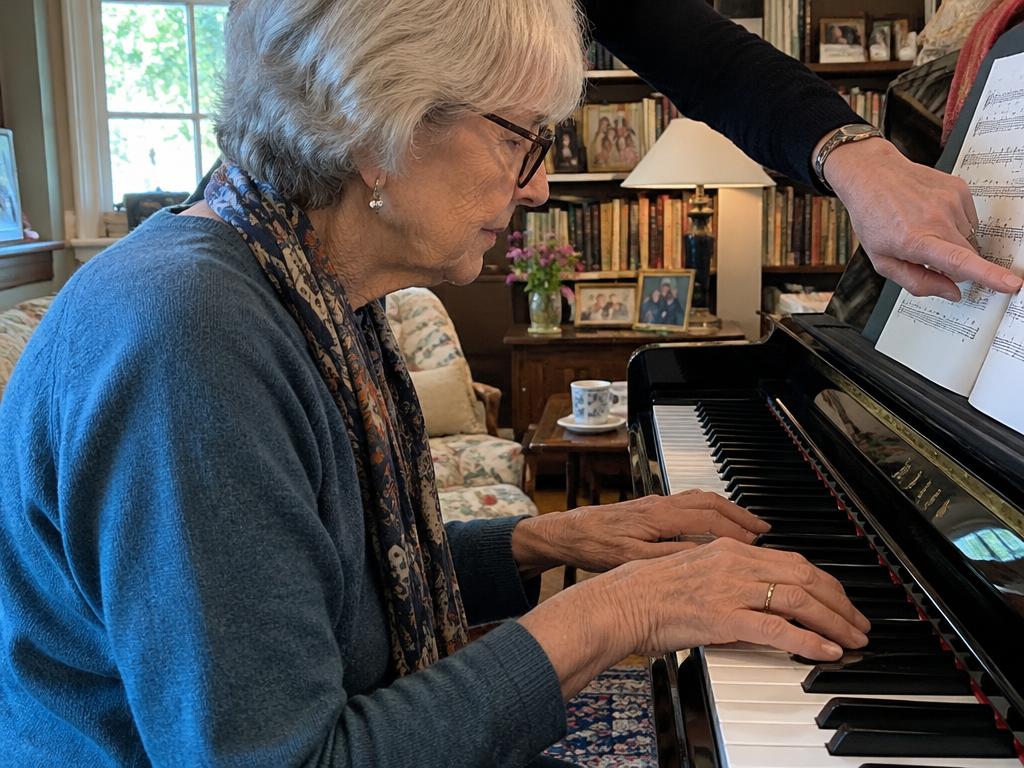 $65 / hr
Music lessons + 1 more
Guitar and ukulele, oldies and standards
West Orange
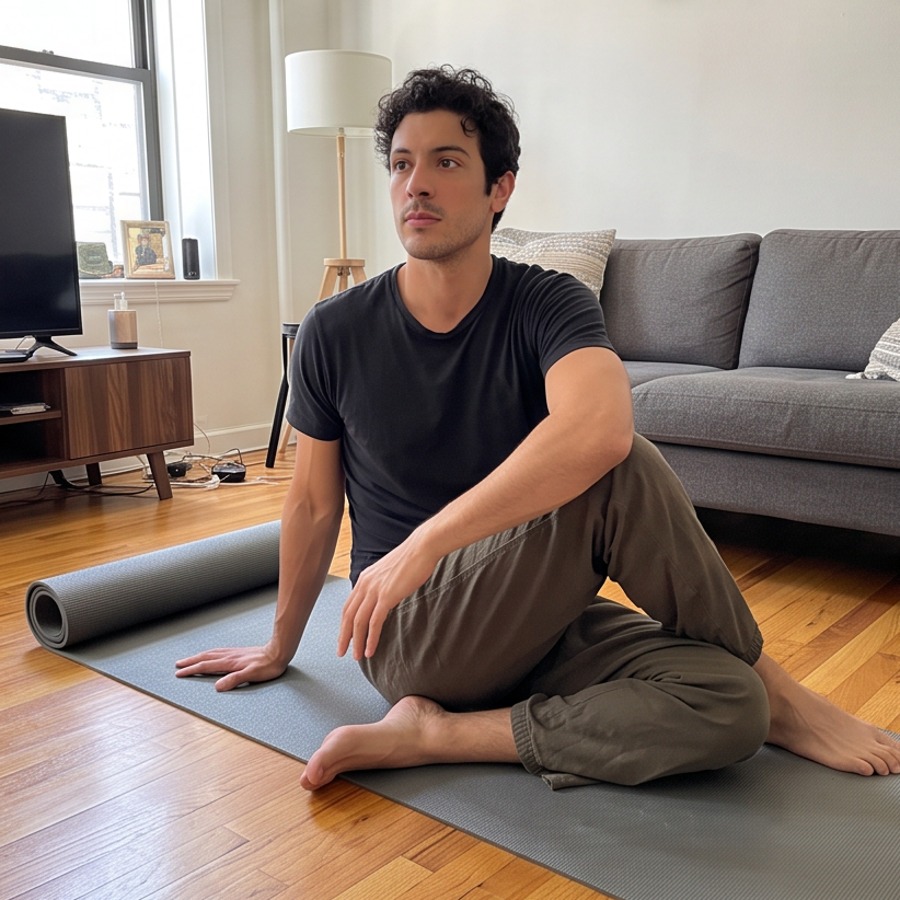 $65 / hr
Yoga + 1 more
Chair yoga and breathing for stiff joints
Maplewood
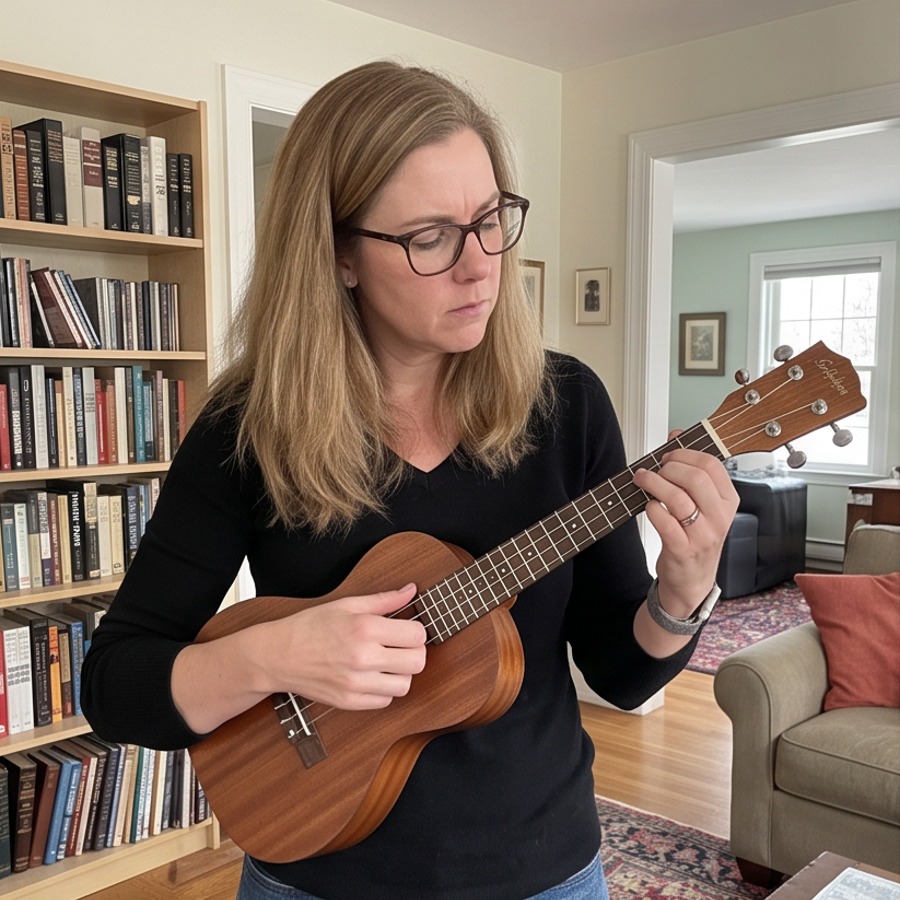 $75 / hr
Music lessons
Ukulele, acoustic guitar and folk songs
Montclair
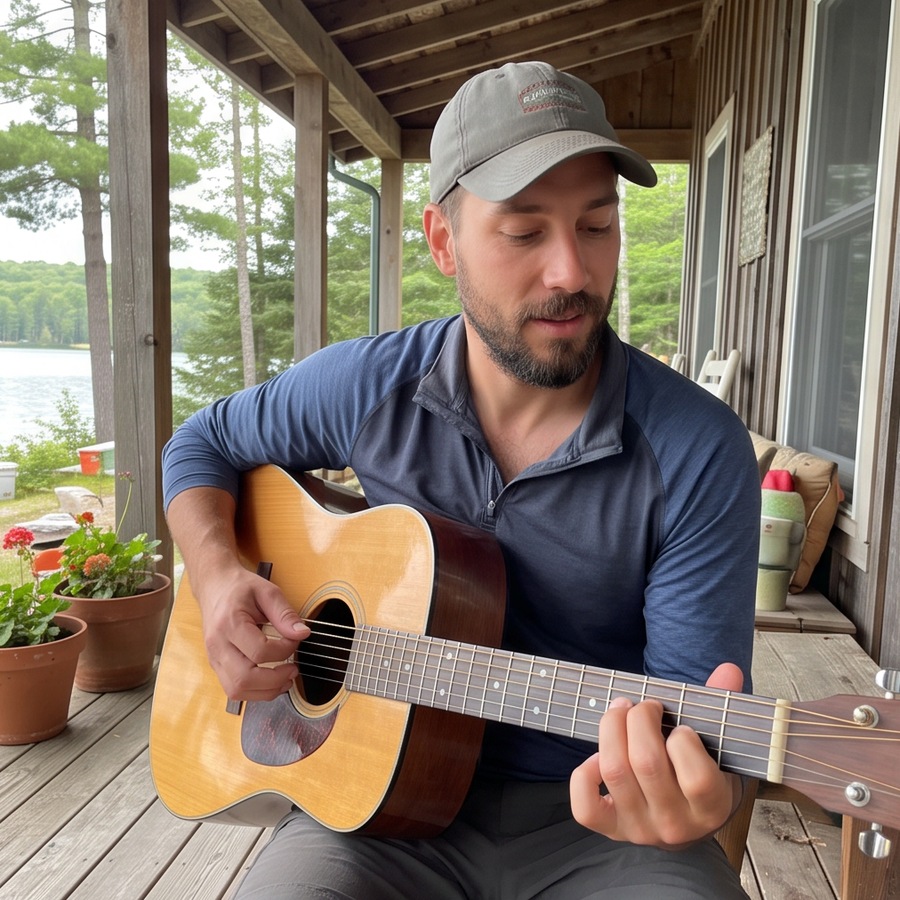 $60 / hr
Music lessons
Beginner piano, guitar and harmonica
Montclair
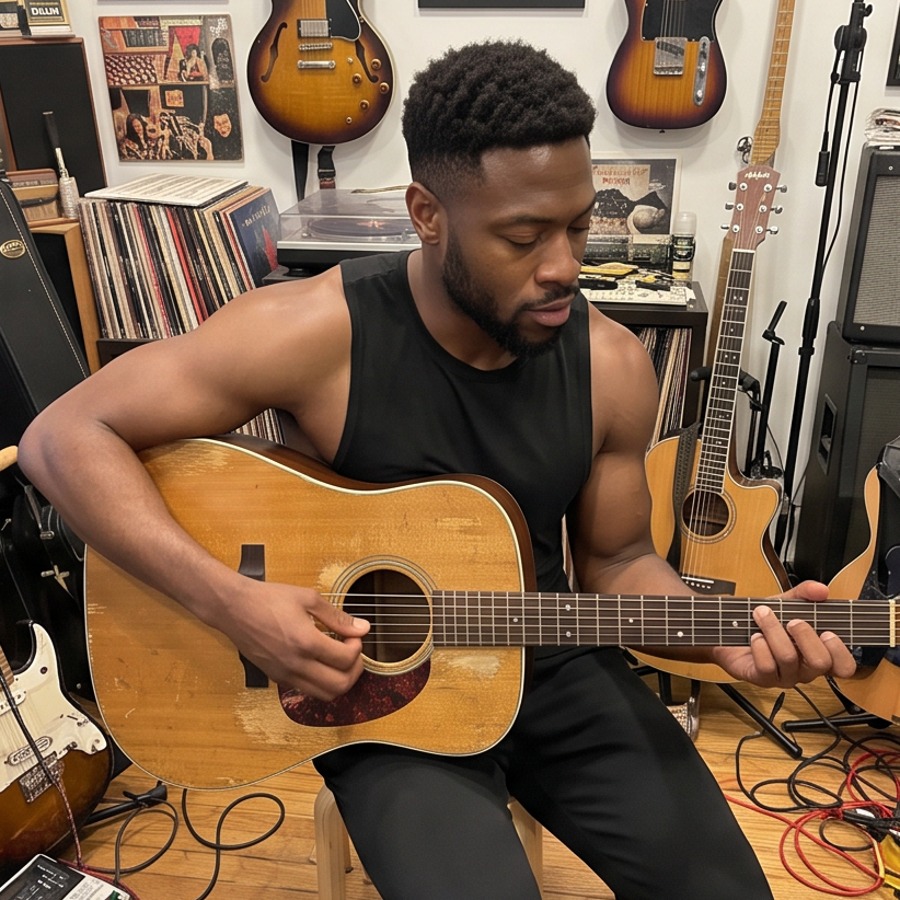 $50 / hr
Music lessons
Acoustic guitar, ukulele and classic rock songs
Millburn
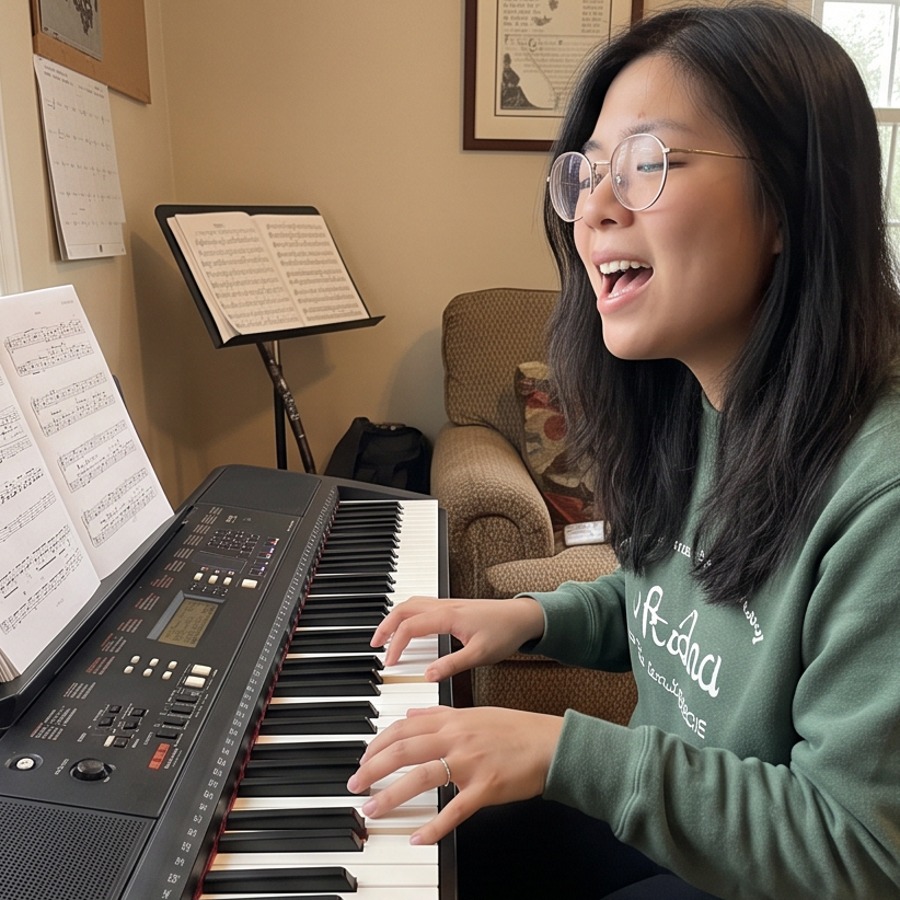 $50 / hr
Music lessons
Singing, keyboard basics and Broadway songs
Verona
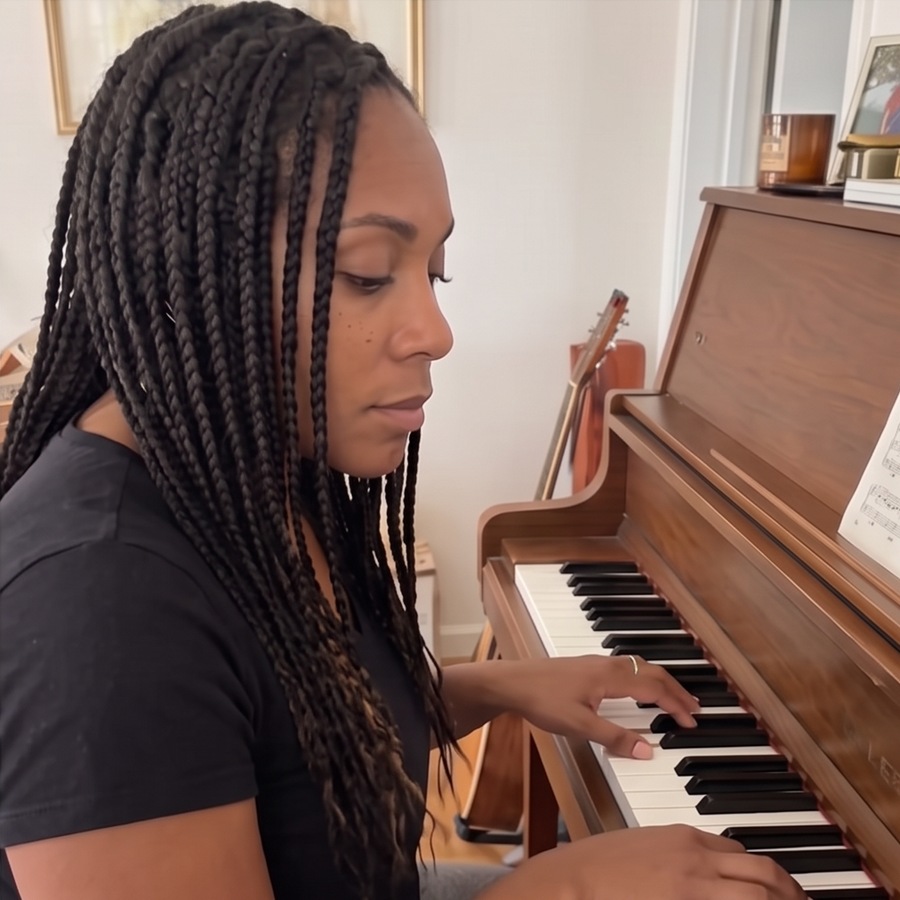 $85 / hr
Music lessons
Piano by ear, hymns and Motown
Glen Ridge
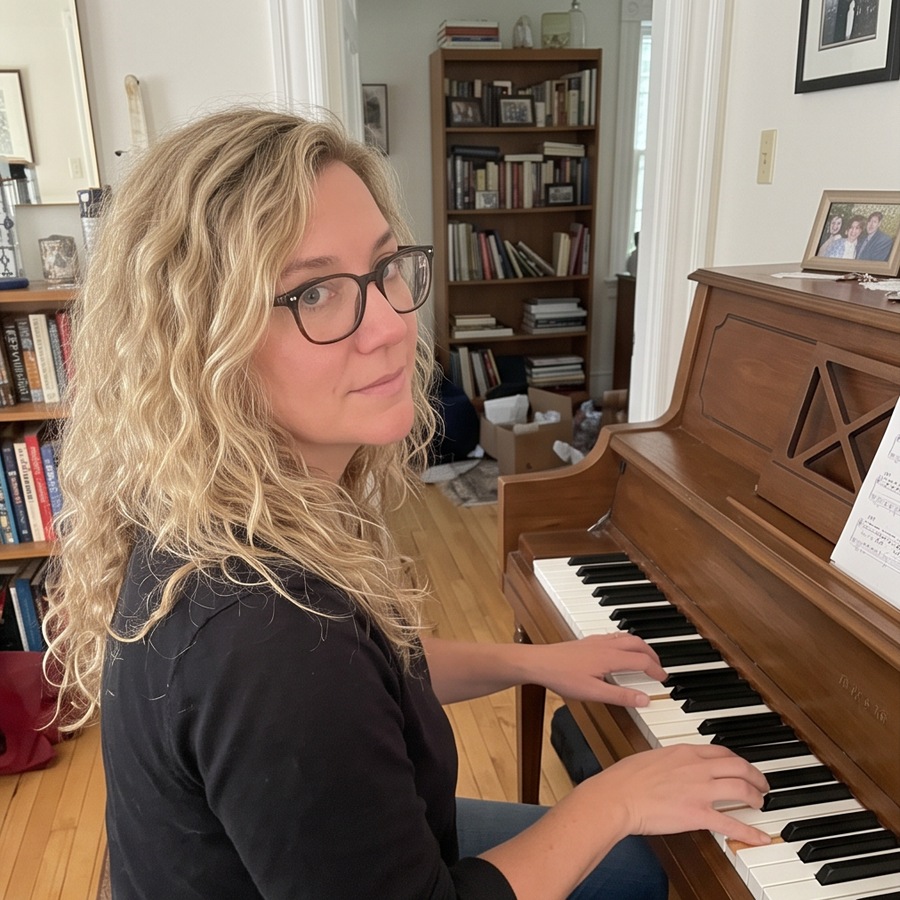 $60 / hr
Music lessons
Beginner piano and singing old favorites
South Orange
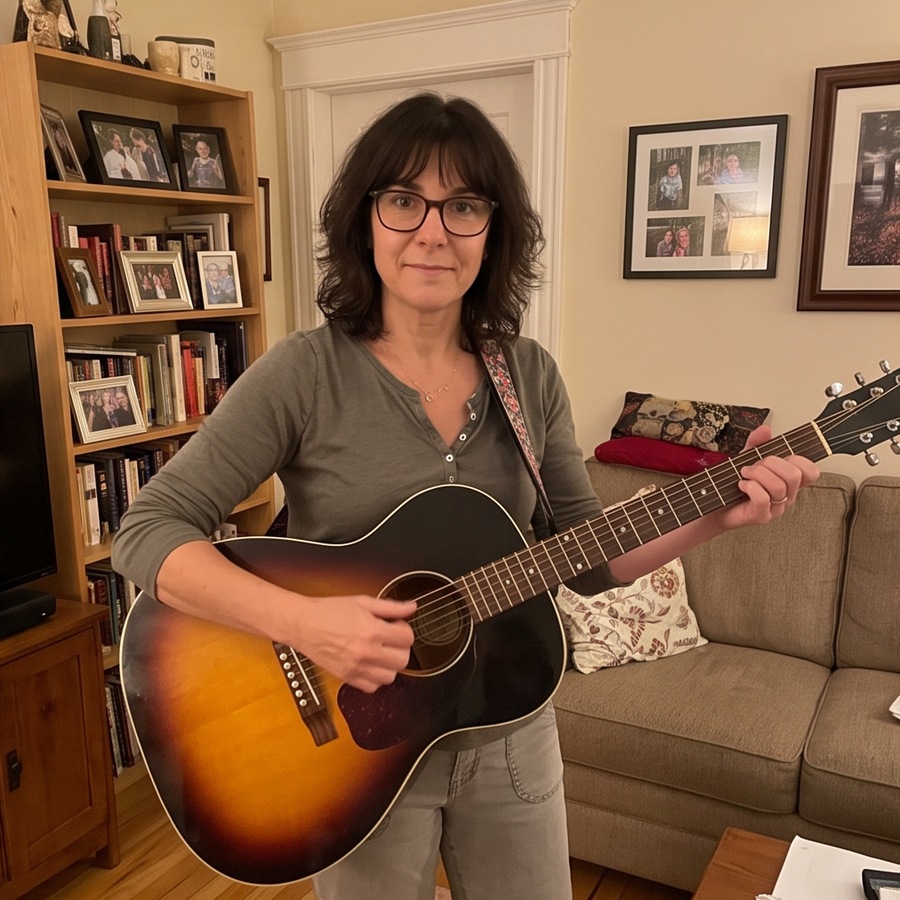 $90 / hr
Music lessons + 1 more
Singing, hymns and easy piano chords
Verona
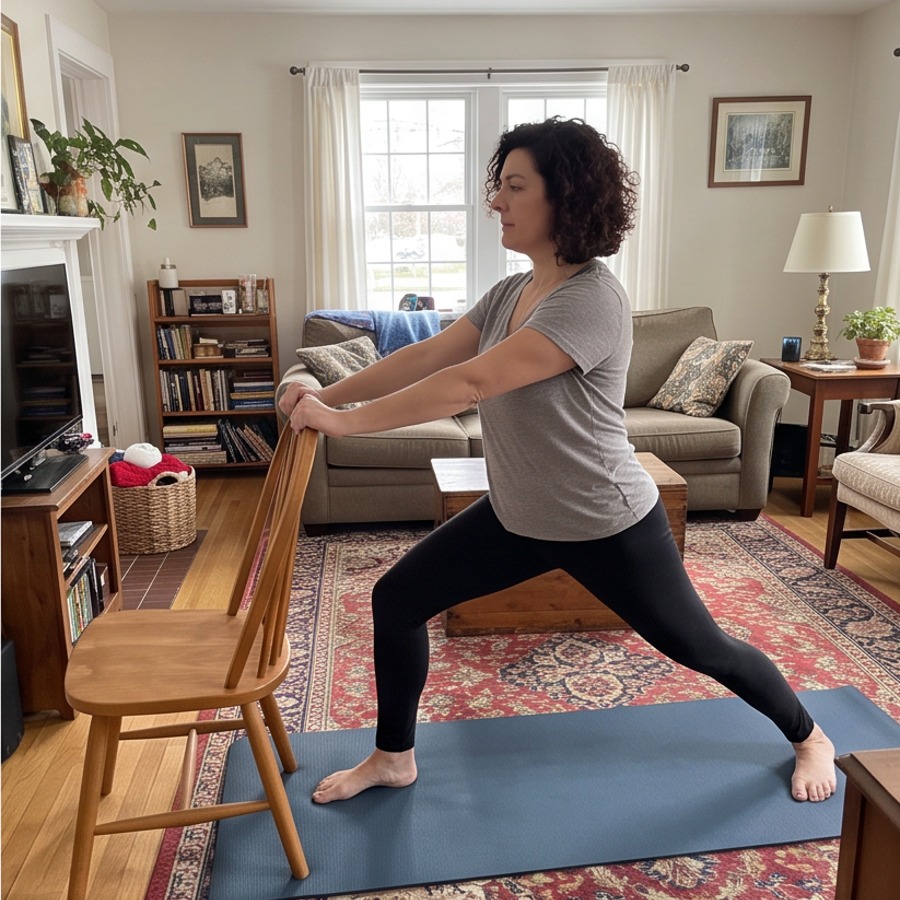 $140 / hr
Yoga + 1 more
Chair yoga, breath work and gentle voice lessons
Paramus
The teacher arrives, sits down at your piano or next to your guitar, and spends the first ten minutes just talking. What music do you love? Did you play as a kid? Are your hands stiff in the morning? Then they listen. If you played decades ago, they may ask you to try a scale or a song you half remember. It is not a test. They want to see where your fingers are today.
Most first lessons end with one small thing you can actually play. For a new piano student that might be a simple melody in the right hand. For a returning player it might be the first page of a piece they used to know by heart. Guitar students often leave with two or three chords and a song that uses them. The goal is to finish the hour having made music, not just having heard about it.
Afterward the teacher writes a short note about what you worked on and what to practice. If you are booking for a parent, you can read it too. It is an easy way to stay in the loop without asking "so how did it go?" every single week.
Piano is the friendliest instrument to start late. Every key makes a clean note, you sit comfortably, and there is nothing to tune. It suits people who like structure and enjoy seeing progress on the page. Guitar takes a bit more patience at first, because fingertips need a few weeks to toughen up. In return it is portable and social, and a handful of chords covers a surprising number of songs people actually want to sing.
Music therapy is a different thing. It is led by a board-certified music therapist (MT-BC), and Home Happenings only lists music therapy from people who hold that credential. Sessions are built around personal goals rather than learning an instrument, so they can suit someone who no longer wants lessons but still perks up the moment a familiar song comes on. Look for the verified badge on the profile.
Lessons may not be the right fit for someone with significant hearing loss and no good hearing aids, or for someone who finds any kind of practice stressful. A looser format, like singing old favorites while a guitarist plays, can still make for a great hour. Say so in your first message and see how the teacher responds.
For piano, a working acoustic piano or a full-size digital keyboard with weighted keys is ideal. If the old upright in the living room has not been tuned in twenty years, call a tuner before lessons start, because an out-of-tune piano makes everything sound wrong and is discouraging. A small keyboard is fine for a month, but most people outgrow it. The bench matters more than you would think: elbows should sit roughly level with the keys.
For guitar, a nylon string classical guitar is gentler on fingers than steel strings. Ask the teacher before buying anything. Many will suggest a model, and some bring a spare to the first lesson so you can try before you spend. You will also want a chair without arms, a music stand and good light. Teachers can print their handouts in large type, which helps a lot.
Weeks one and two are about getting comfortable: posture, hand position, reading a few notes or learning chord shapes. By weeks three and four, most students can play a short piece from start to finish, slowly. Around weeks six to eight, a beginner pianist is often playing simple songs with both hands, and a guitarist is switching chords in time with the music.
Practice moves things along, but it does not need to be long. Ten or fifteen minutes most days beats an hour on Sunday afternoon. Returning players often move faster than they expect, because some of it comes back in the hands. A nice goal for the two-month mark is one piece you would happily play for a grandchild over a video call.
Stalls are normal. Colds, holidays and stiff days happen. A good teacher adjusts the plan instead of pushing through it.
Start with the profile. Check what they teach (piano, guitar or both), the towns they serve and the days they usually come. Credentials are self-reported unless marked verified. Reviews from other families tell you a lot about patience and pacing, which matter more than a long resume.
Then send a message before you book. Contact details stay private in messages, so ask freely. Good questions: "My mother played as a girl and hasn't touched a piano in fifty years. How would you start with her?" "Do you teach from sheet music, by ear, or both?" "Have you taught adults with arthritis in their hands?" "Can we begin with songs she already knows?" The way a teacher answers tells you how they think.
Each teacher sets an hourly rate between $50 and $150. Visits run 1, 1.5 or 2 hours at that rate, and there is a $2.50 booking fee and a 10% service fee at checkout. For music, one hour is plenty for most adults. Longer lessons tend to tire the hands before they help.
You can book just one visit, 4 weeks at the same time, or every week until you cancel. Weekly is what makes lessons stick. Cancelling is free up to 3 days before. Between 3 days and 12 hours, 50% is charged, and inside 12 hours the full visit is charged. If the teacher lives 20 or more miles from the home, a $25 travel fee is added per visit. Gift cards start at $50, which makes a first month of lessons an easy birthday present.
Not at all. Adults often understand music faster than kids do, even if the fingers take a little longer. Plenty of people start in their 70s and 80s. The teacher paces lessons to your hands and your goals, and most first lessons end with something you can actually play.
It helps, but you do not need anything fancy. A full-size digital keyboard with weighted keys works well and costs far less than a piano. Message the teacher before you buy. Many will suggest what to get, and some bring a keyboard or spare guitar to the first lesson.
Lessons teach an instrument. Music therapy is goal-based work led by a board-certified music therapist (MT-BC), and on Home Happenings it is only offered by therapists who hold that credential. It can suit someone who loves music but does not want to practice. Look for the verified badge.
Often, yes. Teachers can suggest a nylon string guitar, simpler chord shapes and shorter practice. Mention the arthritis in your first message and ask how they have adapted lessons before. On a stiff day, the teacher can switch to listening, rhythm or singing instead.
For most older adults, one hour is right. It leaves time to warm up, learn something new and play it through without tiring the hands. Some returning players like 1.5 hours. You can choose 1, 1.5 or 2 hours, priced at the teacher's hourly rate.
Yes. You can message teachers, book and pay from anywhere. After each visit the teacher writes a short note you can read, so you will know what she worked on. Just make sure someone at home knows the schedule and the piano bench is clear.