Building a weekly activity plan for an older adult who lives alone
A practical way to give a parent's week some shape, with a sample plan, tips for out-of-state families and notes for professionals who help set it up.
By the Home Happenings team · September 29, 2026
When someone lives alone, the days can start to blur. Monday looks like Thursday. The only fixed points are a doctor's appointment, a grocery run, and maybe a phone call from family. Nothing is wrong, exactly. But nothing is coming up, either.
A weekly plan fixes more than people expect. It gives the person something to look forward to, a reason to get dressed and put the coffee on, and a few people they'll see on a regular schedule. This post walks through how to build one. It's written for adult children and for the social workers and geriatric care managers who help families set this up.
Start with the person, not the schedule
Before filling in any days, sit down (or get on the phone) and ask a few questions:
- What did you love doing before? Not ten years ago. Forty years ago.
- What do you miss most about how your week used to go?
- Is there something you always wanted to learn and never had time for?
- What time of day do you feel best?
- What would you hate?
That last one matters. If Dad would rather do anything than chair yoga, don't put chair yoga on the plan. A plan someone resents won't last a month.
The four parts of a good week
A week that feels full usually has a mix of four things. You don't need all of them every day. You need each of them somewhere.
- Something that moves the body. A walk, gentle yoga, strength and balance work with a trainer, an hour in the garden.
- Something that uses the mind. A game of chess, learning a new tablet feature, practicing piano, working through a recipe.
- Something with other people. A weekly card game, lunch with a friend, a religious service, a lesson with the same teacher every Tuesday.
- Something that feels like theirs. A project with an end point: a painting, a recorded life story, a finished garden bed, a song they can play start to finish.
A sample week
Here's what a plan might look like for a woman in her early 80s who lives alone in West Orange, still walks well, no longer drives, and used to paint.
Monday: Morning walk around the block. Afternoon phone call with her son.
Tuesday: Watercolor lesson at the kitchen table, 1.5 hours, with the same teacher each week. She works on one painting over several weeks. Her son reads the teacher's note that evening. See art lessons.
Wednesday: Grocery delivery in the morning. Afternoon free.
Thursday: Personal training, 1 hour. Seated and standing balance work, light weights, a few exercises to repeat on her own. See personal training.
Friday: Lunch with a neighbor. Practice the training exercises.
Saturday: Video call with the grandkids. A few weeks ago she couldn't get the call to connect on her own. Two tech help sessions fixed that.
Sunday: Religious service with a friend who drives. Quiet afternoon.
Notice what's in there: two paid lessons a week, a few free anchors, and a lot of open space. That's on purpose. A week packed with appointments is just another kind of exhausting. The open days are where she practices, rests, and decides for herself what to do, which matters as much as anything on the schedule.
A few variations
For someone who loves games: Swap the art lesson for a weekly chess game with a pro who plays seriously. Or, if a few friends nearby are interested, set up a Mahjong or Canasta table of four and have a pro bring the game and teach. Those two require booking at least four visits.
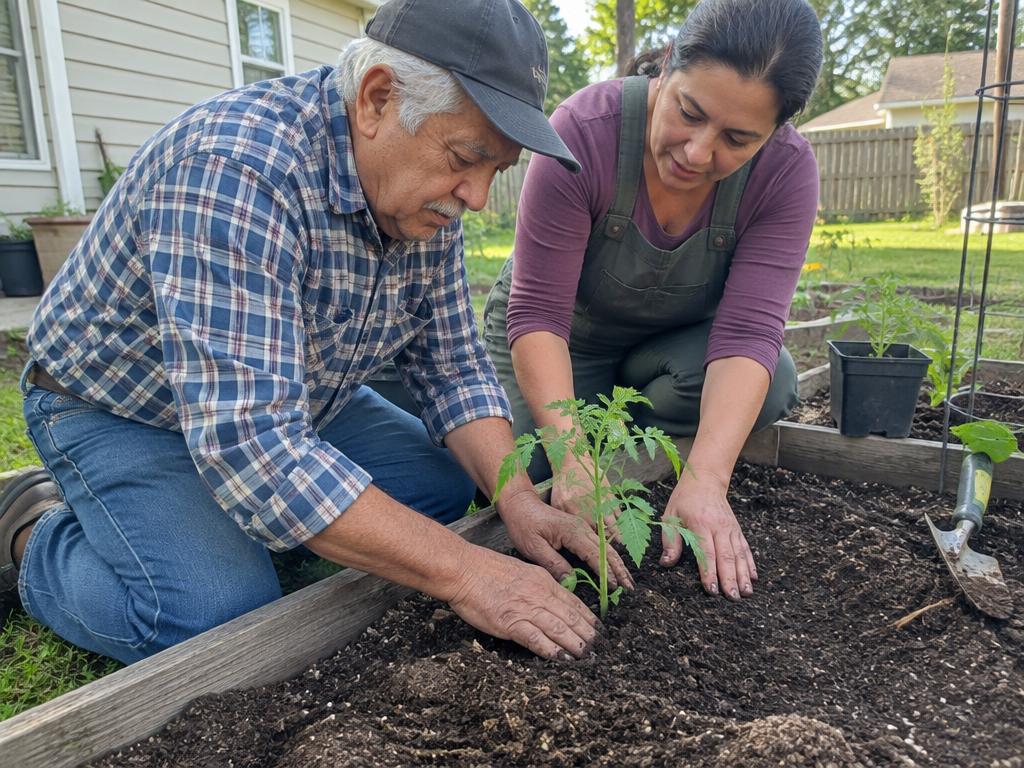
For someone with a garden they can't manage anymore: A gardening pro can help set up raised beds or containers so the work can be done sitting or standing, then come back through the season.
For someone who wants to leave something behind: A few personal storytelling sessions, a guided conversation about their life, recorded for the family. Some pros help make a short film or a printed book.
For someone who used to play an instrument: A weekly piano or guitar lesson, plus practice on the in-between days.
Booking for a parent from out of state
Many of the families we work with live far away. A few things make the plan easier to run from a distance:
- Message the pro before booking. Ask how they'd approach the first visit. Contact details stay private in messages.
- Book one visit first. If it goes well, switch to four weeks at the same time, or every week until you cancel.
- Read the visit notes. After each visit, the pro writes a short note. It gives you something specific to ask about on your next call. "How's the painting of the house coming?" goes a lot further than "what did you do this week?"
- Tell your parent who is coming. Put it on a paper calendar by the phone. A surprise knock on the door is unsettling for anyone.
- Know the cancellation terms. Free up to 3 days before. Between 3 days and 12 hours, half the visit is charged. Under 12 hours, the full visit price.
Notes for professionals
If you're helping a family build a plan, a few things tend to make it stick:
- Keep paid sessions to one or two a week at first. Add more only if the person asks.
- Put sessions at the same day and time each week. Routine does a lot of the work.
- Use the visit notes in your own follow-ups with the family.
- Revisit the plan after a month. Drop what isn't working without guilt.
Getting started
Pick one activity your parent or client would actually look forward to, and build the week around that. You can browse in-home activities by town and read profiles together. If you're in West Orange, start with our West Orange page.
Related activities
- Tech helpLearn your phone, tablet and video calls, one step at a time.
- Personal trainingBuild strength, balance and confidence with movements chosen for you.
- YogaPractice gentle yoga and breathing with clear, personal instruction.
- Board and card gamesMahjong, bridge, canasta, or someone to play a real game of chess with.
Find a local pro
Checked and vetted professionals who teach at home across Essex County.
Browse professionals