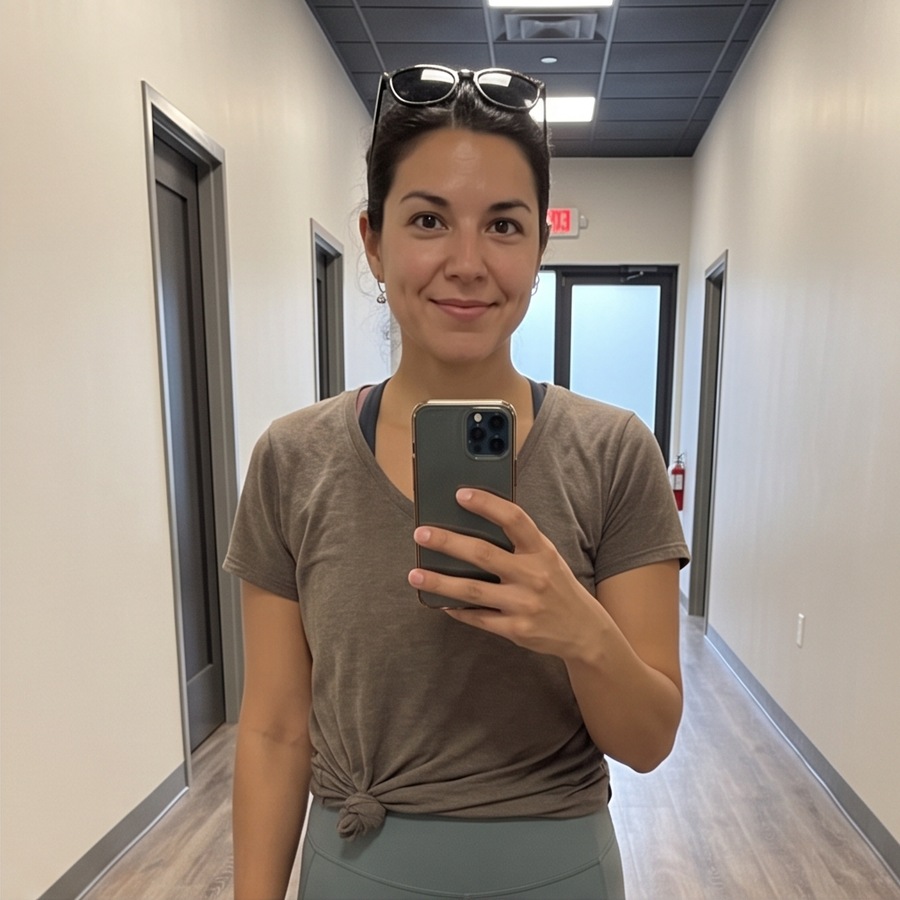
 $85 / hr
Personal training
Meera Rao
5.0(8)Light dumbbells, posture and grip strength
West Orange
Brings a full kitMon · Wed · FriBackground checked
Essex County, NJ
Build strength, balance and confidence with movements chosen for you. A local pro comes to the house and teaches at your pace, whether it is for you or for Mom or Dad.
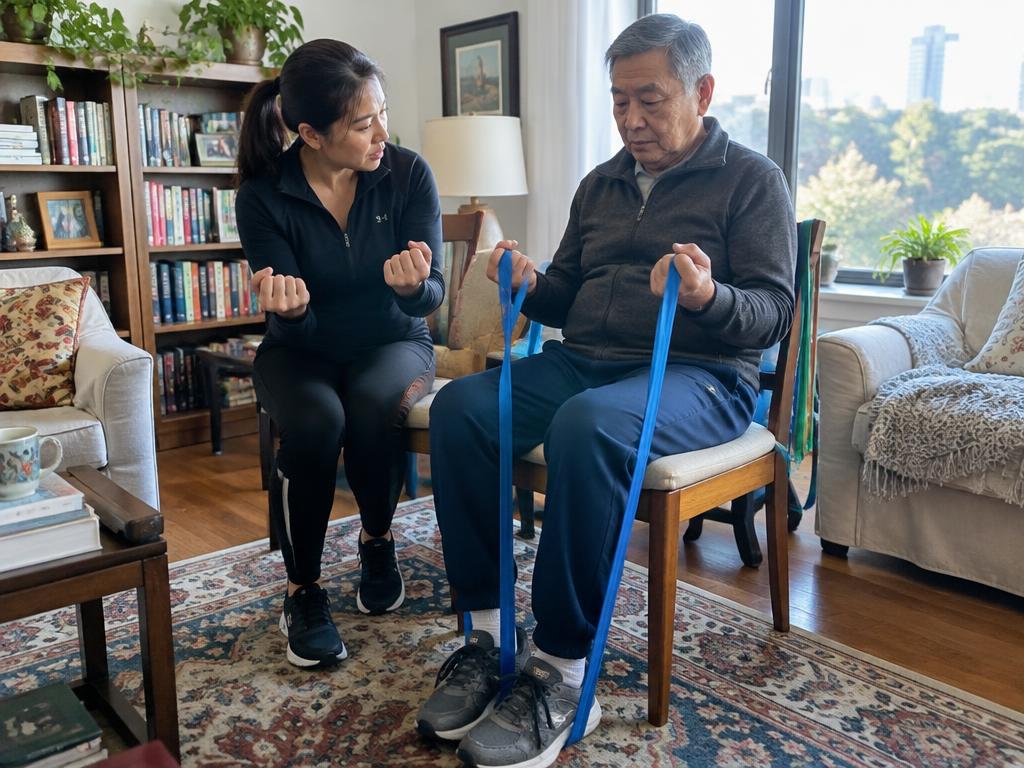 $85 / hr
Personal training
Light dumbbells, posture and grip strength
West Orange
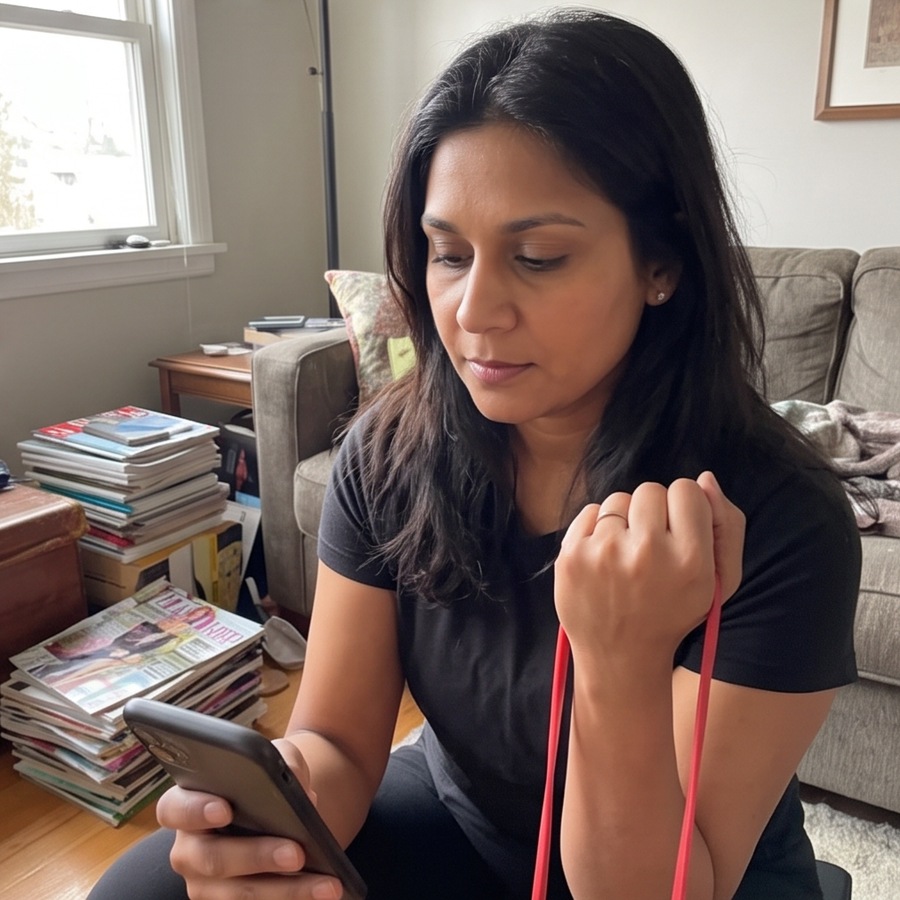 $70 / hr
Personal training
Chair-based strength and balance drills
Millburn
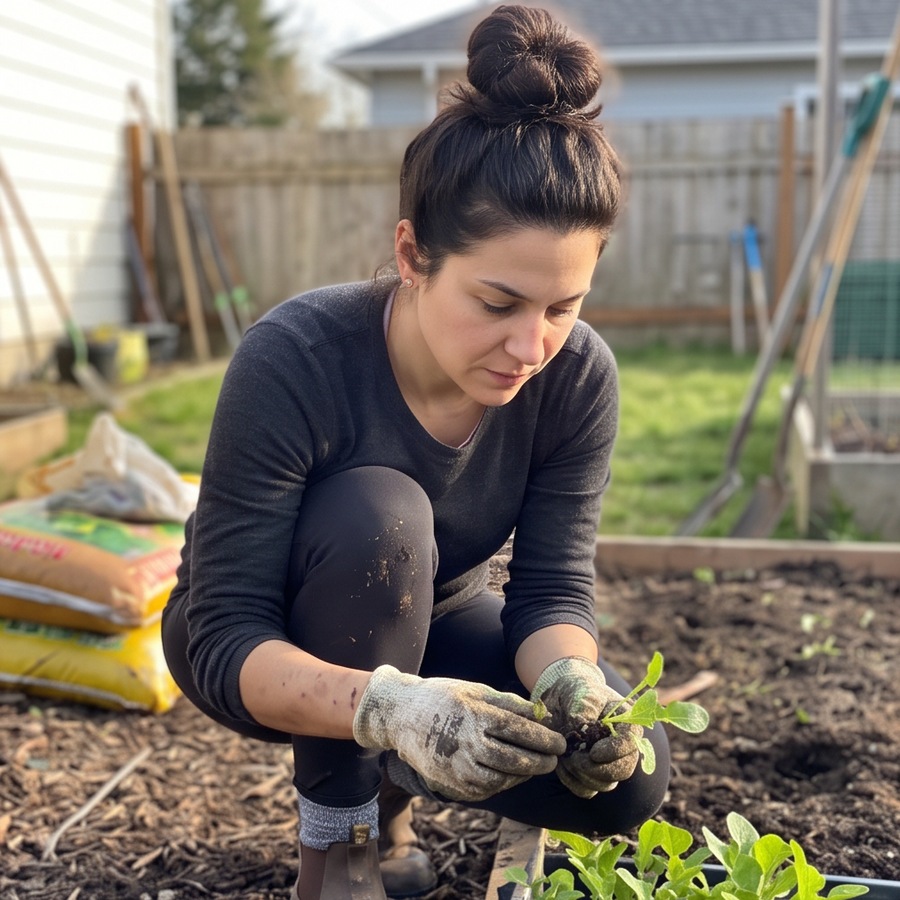 $70 / hr
Gardening + 1 more
Container vegetables, herbs and easy perennials
Roseland
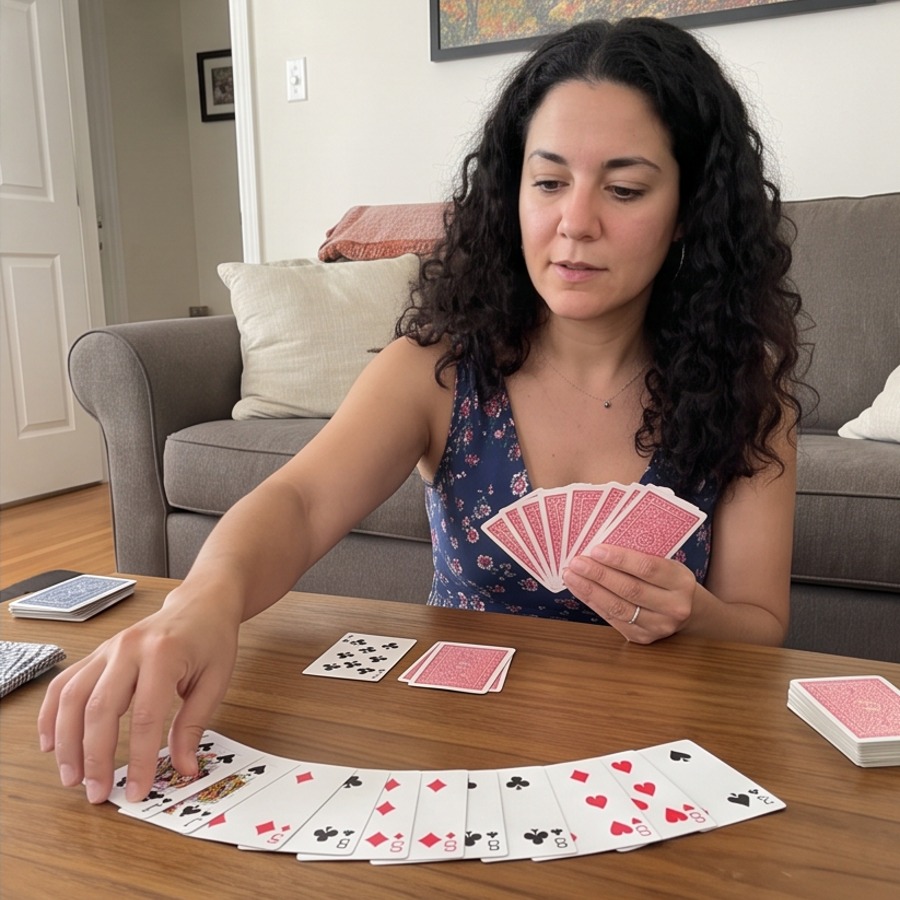 $65 / hr
Board and card games + 1 more
Rummy, poker basics and chair stretch breaks
Glen Ridge
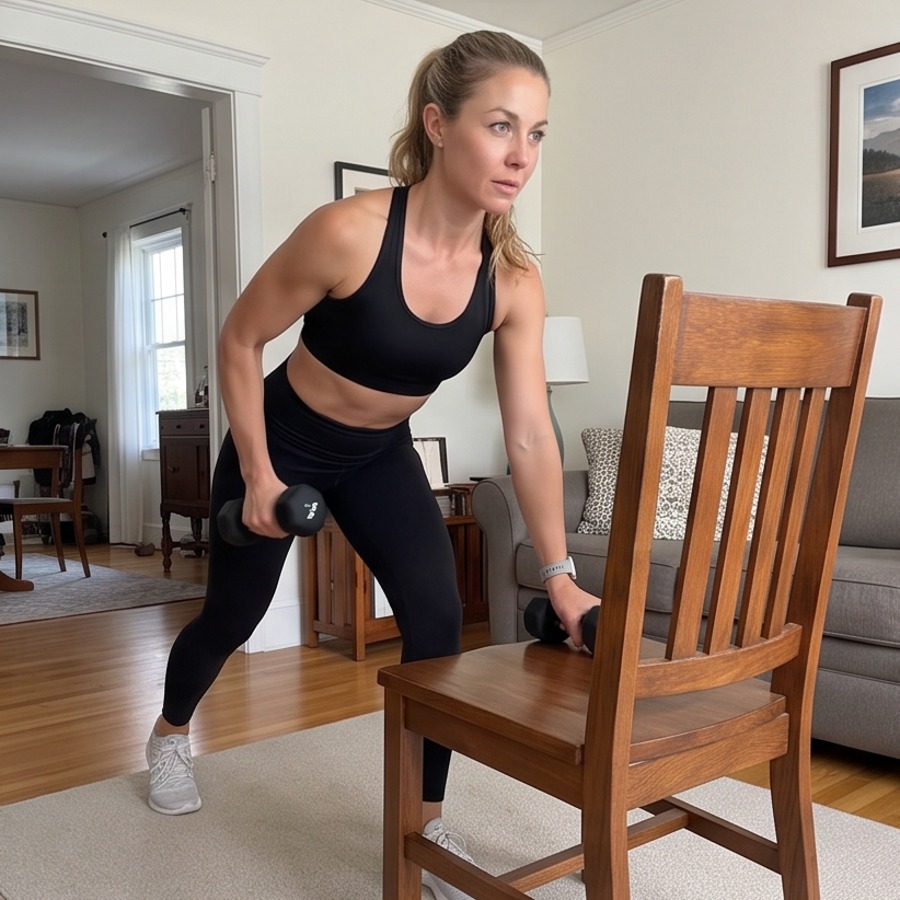 $60 / hr
Personal training
Chair workouts, leg strength and walking
Verona
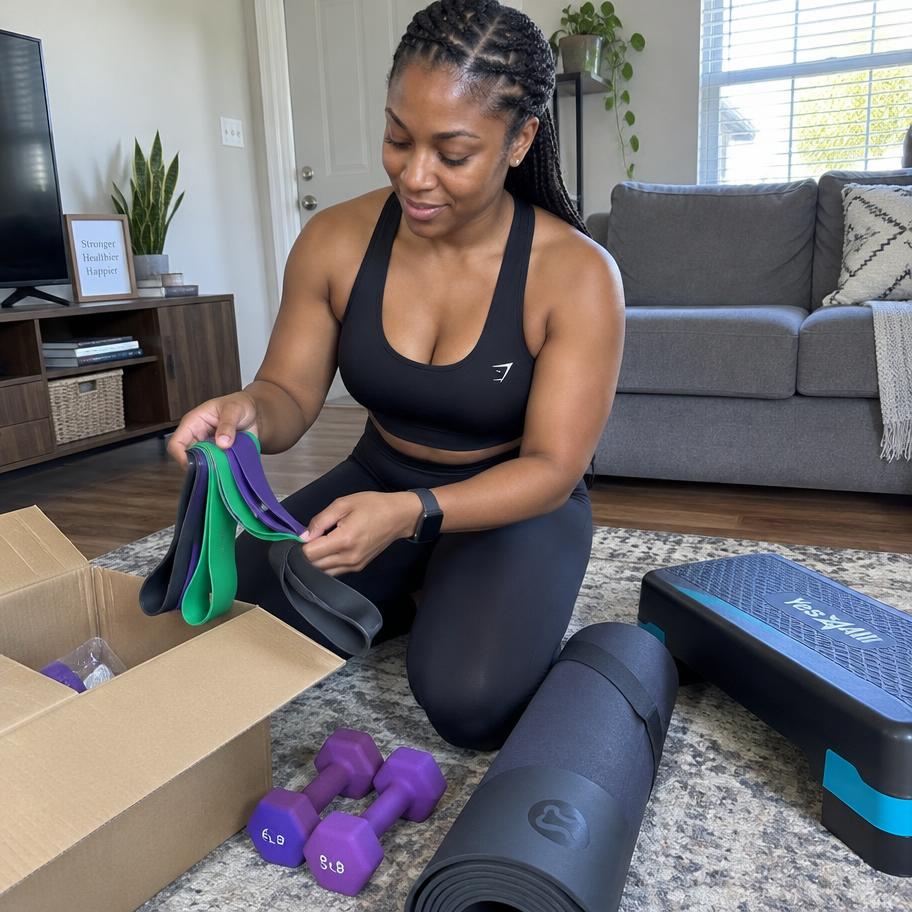 $90 / hr
Personal training
Strength and balance with a full portable kit
Maplewood
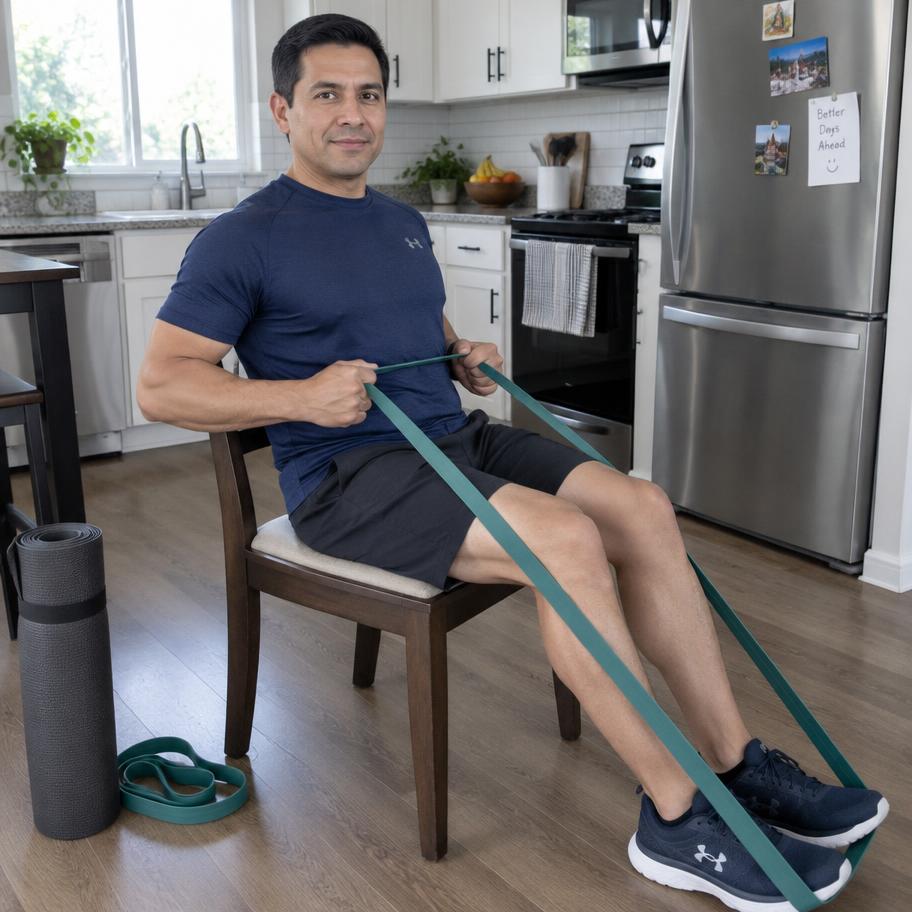 $75 / hr
Personal training
Simple at home strength with a few basics
Chester
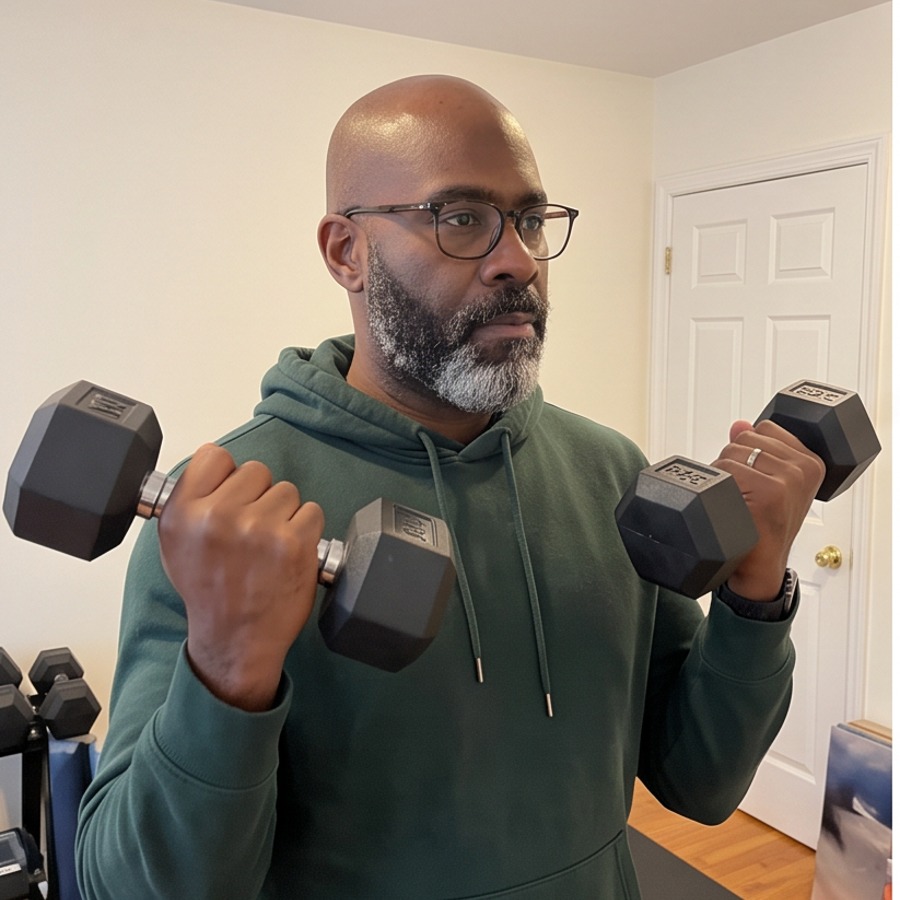 $130 / hr
Personal training
Balance work and functional strength
West Orange
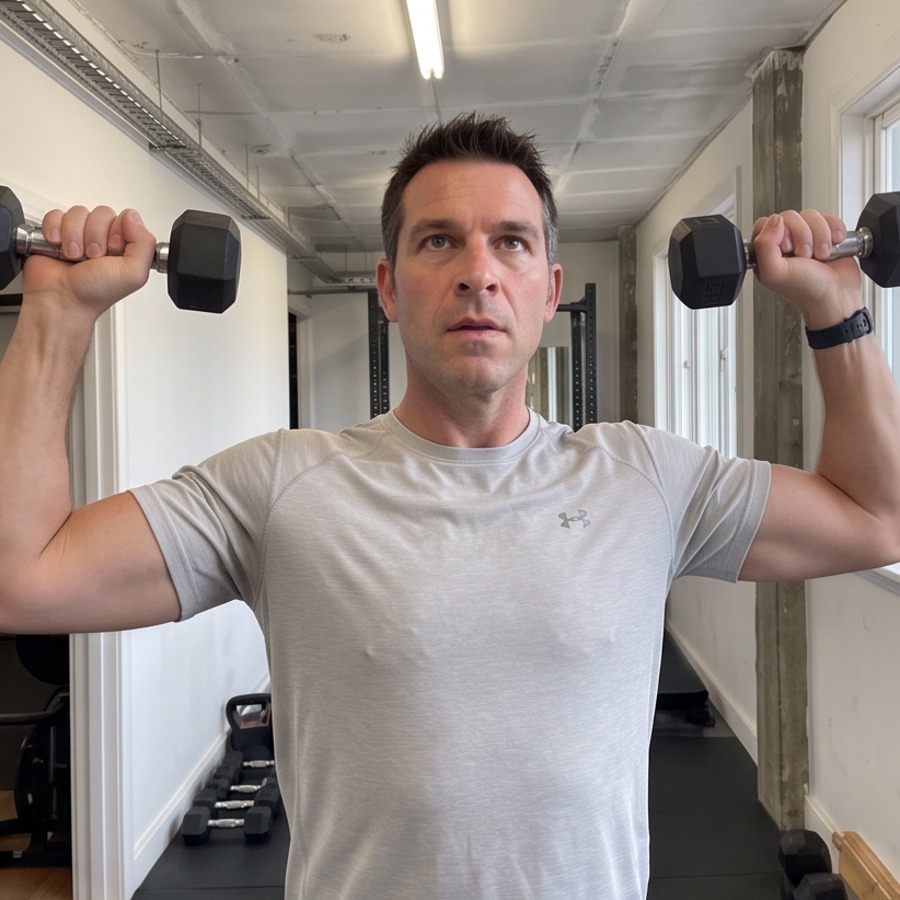 $75 / hr
Personal training
Posture, core strength and slow tai chi warmups
Livingston
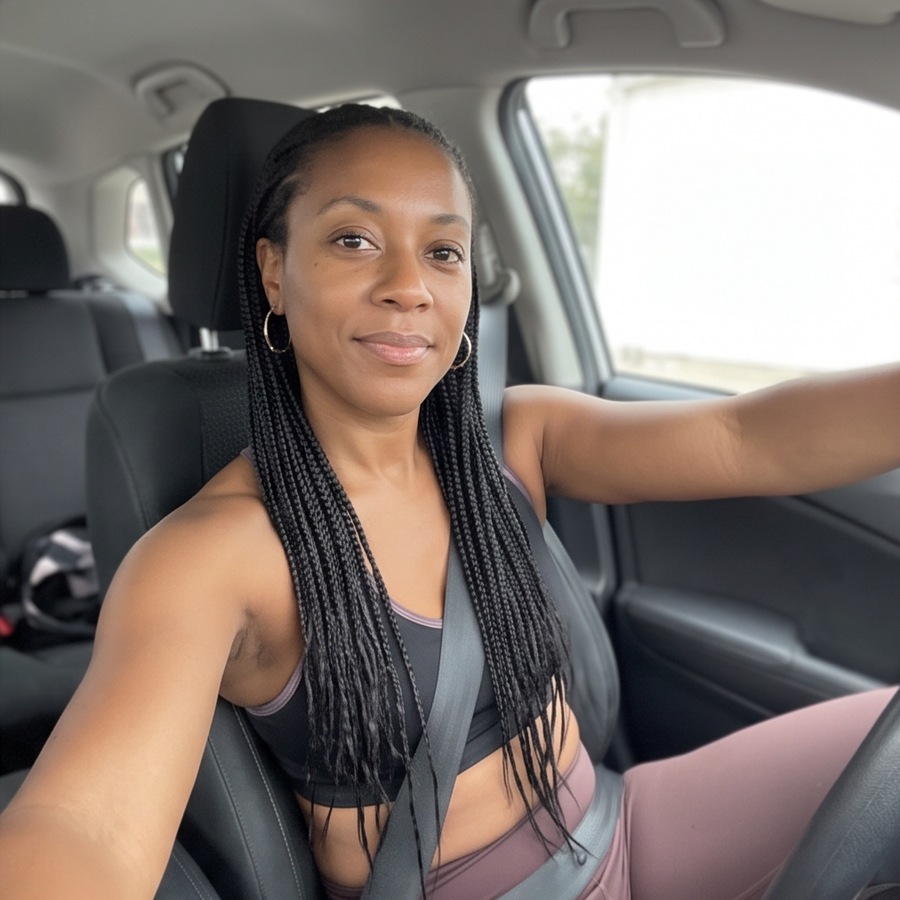 $65 / hr
Personal training
Balance, posture and light weights at home
Short Hills
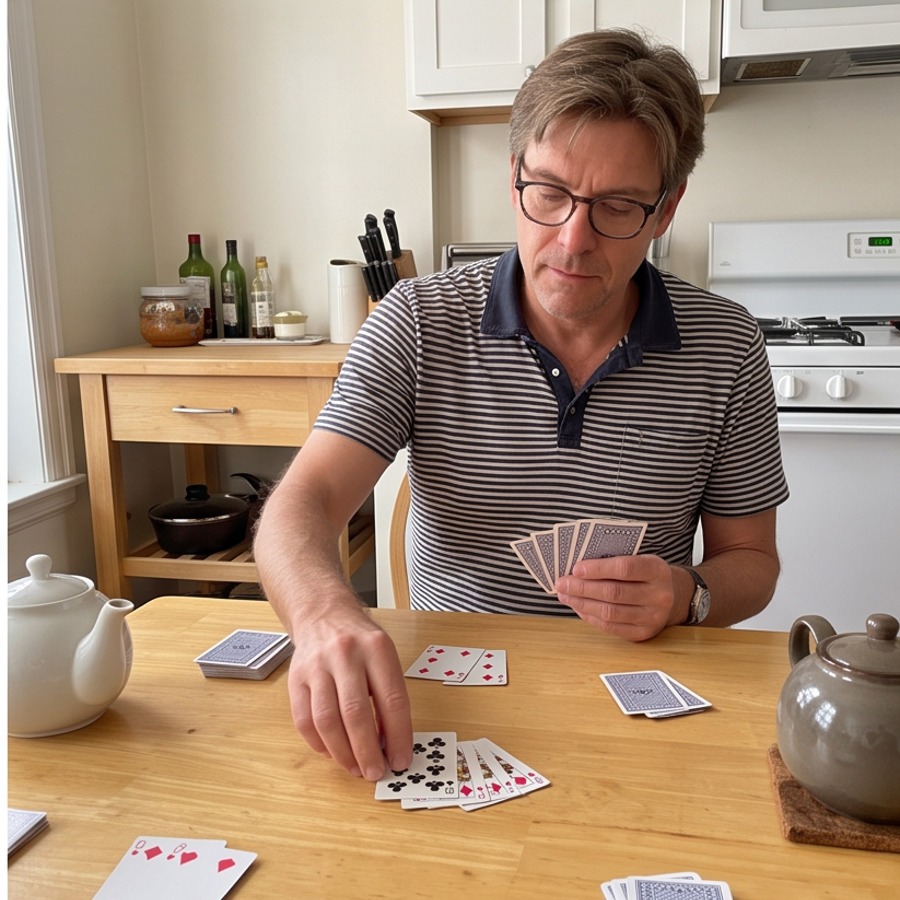 $80 / hr
Board and card games + 1 more
Beginner bridge, bidding and spades
South Orange
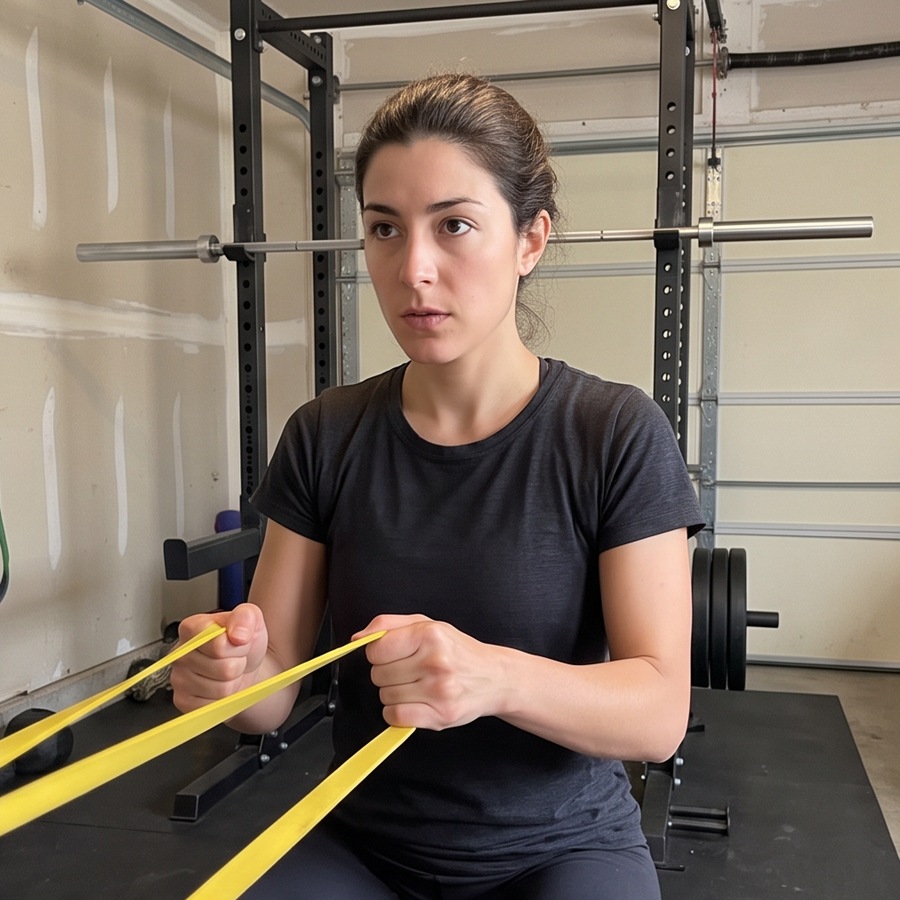 $80 / hr
Personal training
Balance, posture and fall-proof footwork
Livingston
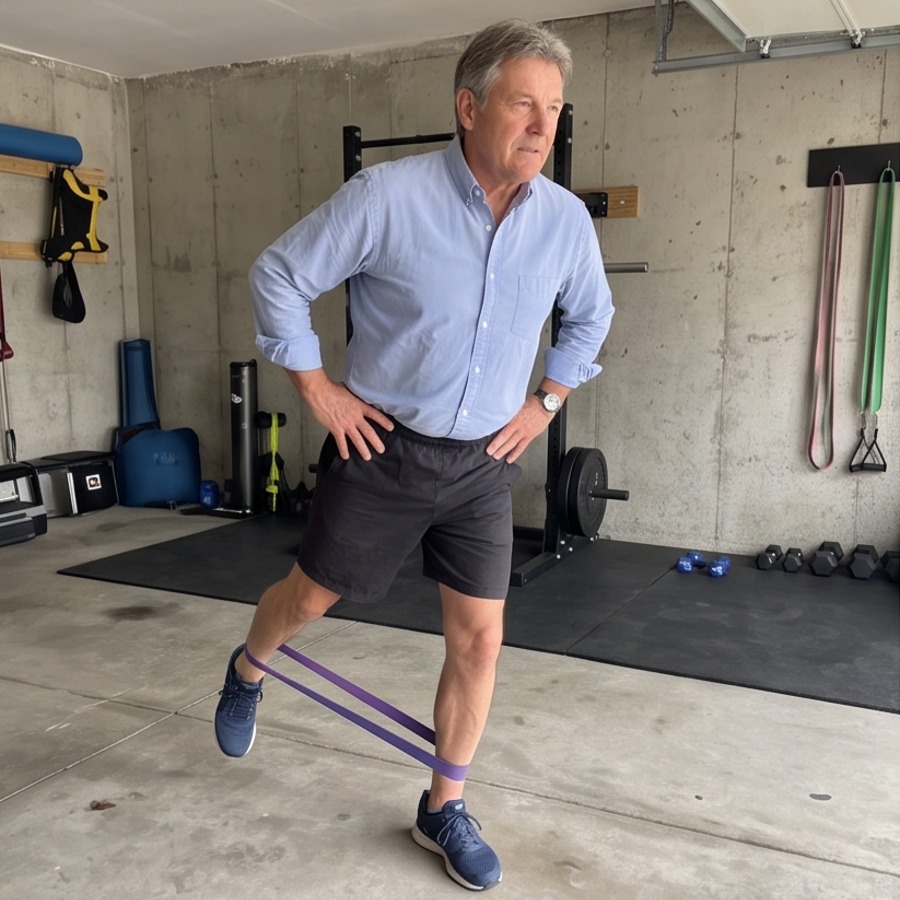 $150 / hr
Personal training
Leg strength and getting up from low chairs
South Orange
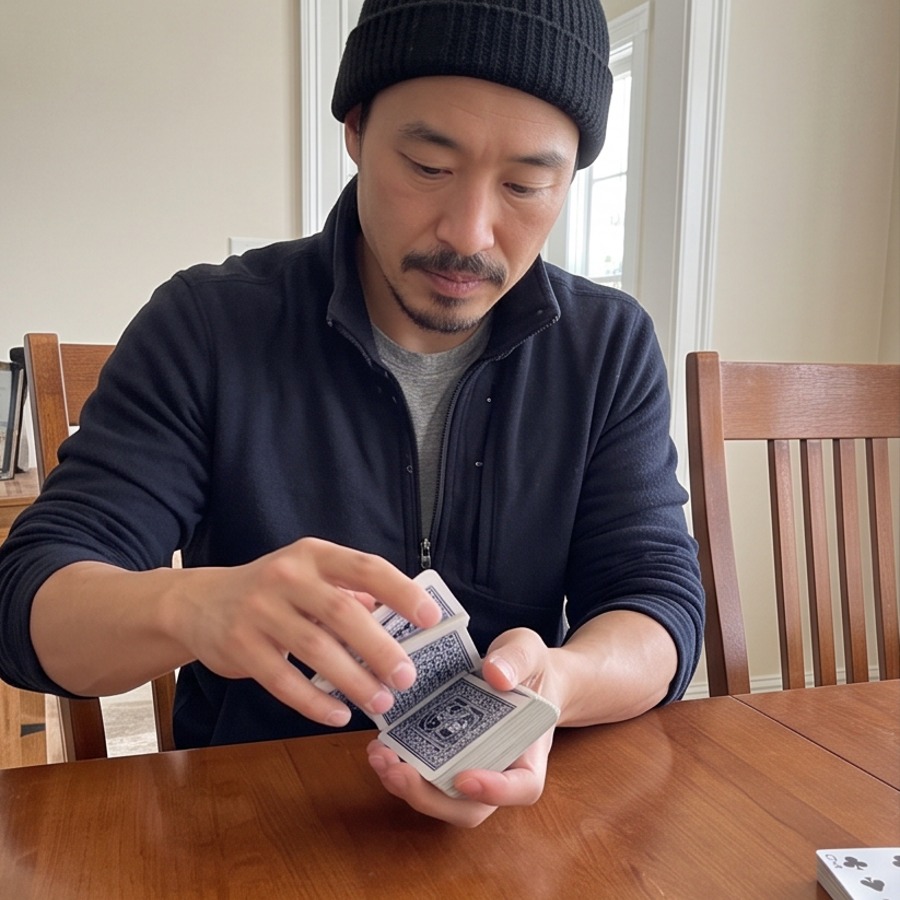 $80 / hr
Board and card games + 1 more
Canasta, gin rummy, poker and dominoes
Montclair
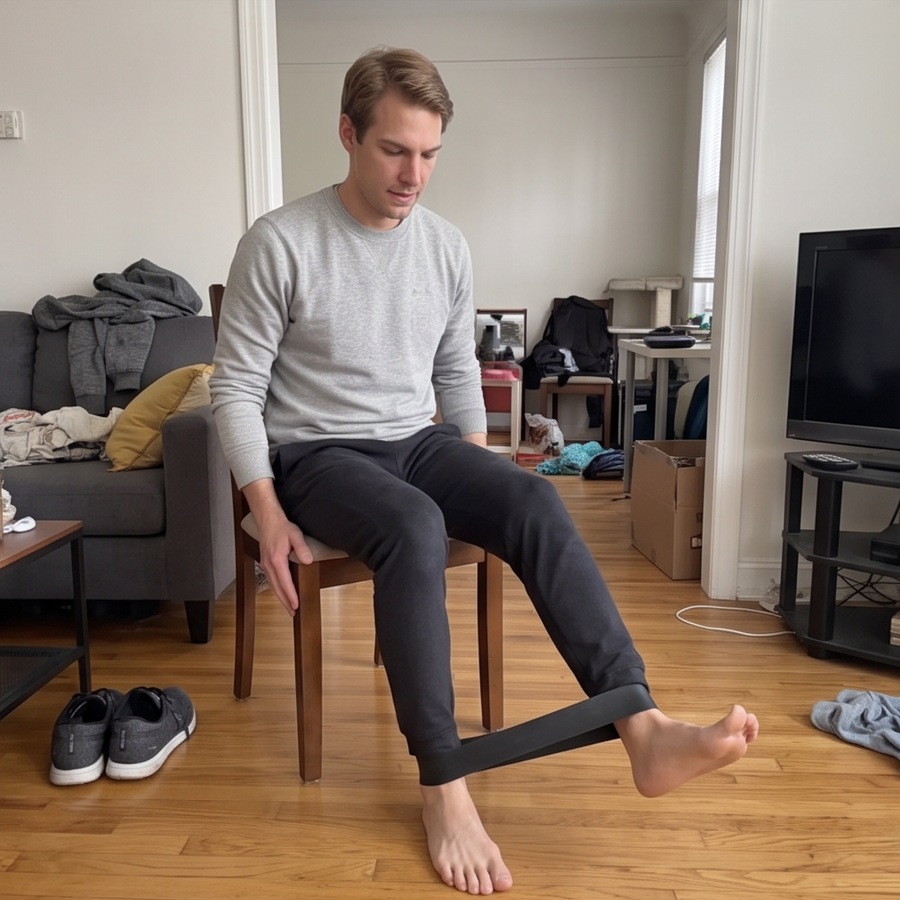 $60 / hr
Personal training
Seated strength, bands and getting up from a chair
Glen Ridge
 $70 / hr
Board and card games + 1 more
Rummikub, gin rummy and Uno
Verona
 $60 / hr
Board and card games + 1 more
Rummy, gin and cribbage for beginners
Millburn
 $75 / hr
Board and card games + 1 more
Canasta, gin rummy and hand and foot
Montclair
 $115 / hr
Board and card games + 1 more
Euchre, poker night and everyday strength
Glen Ridge
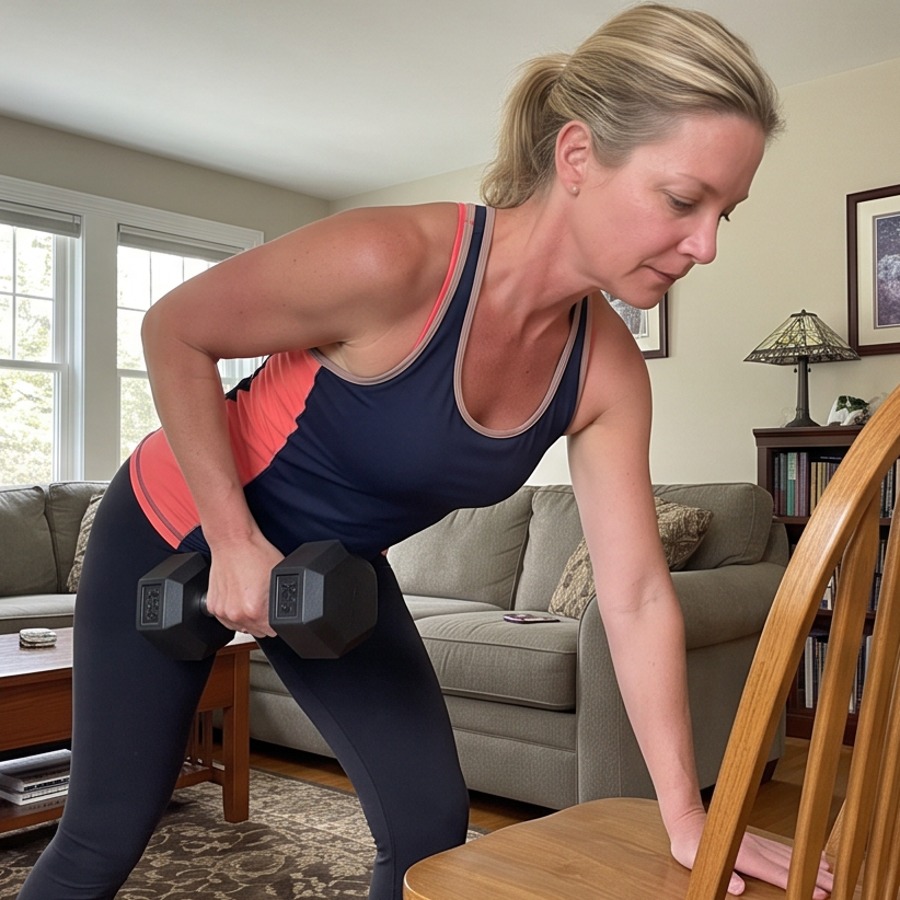 $70 / hr
Personal training
Chair-based strength and balance basics
Glen Ridge
 $65 / hr
Board and card games + 1 more
Spades, rummy and chair stretches between hands
South Orange
 $65 / hr
Board and card games + 1 more
Beginner and returning bridge players
Livingston
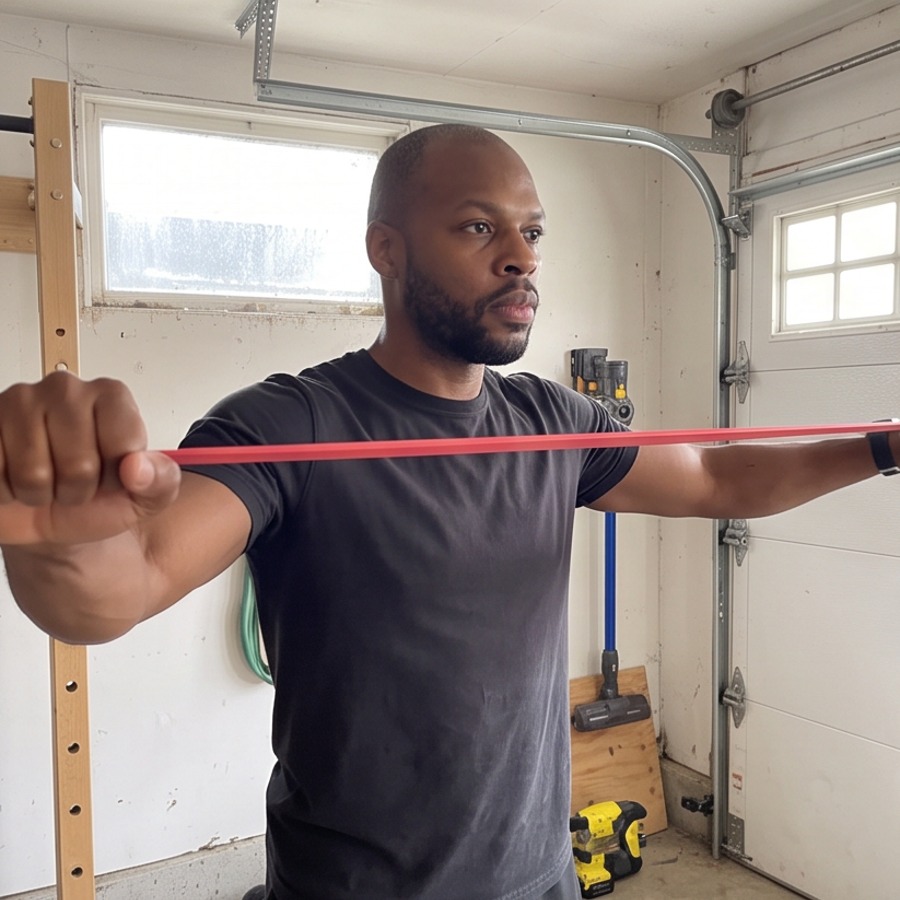 $60 / hr
Personal training
Balance, walking confidence and light weights
South Orange
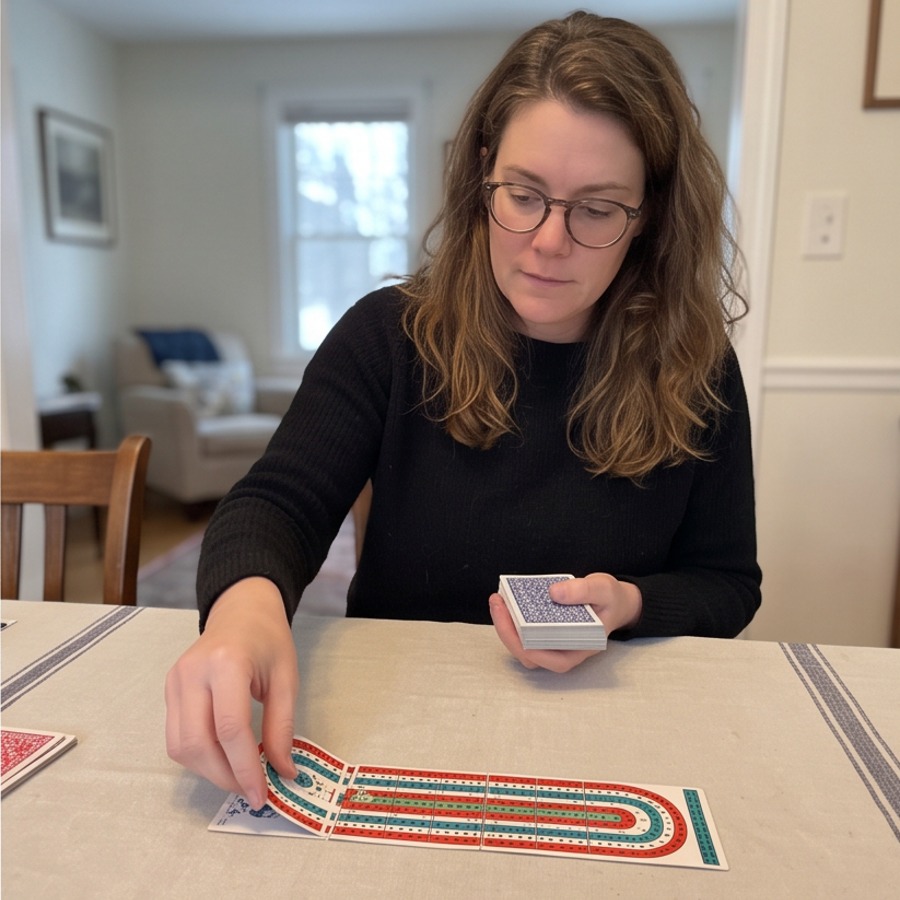 $85 / hr
Board and card games + 1 more
Cribbage, pinochle and seated strength work
Short Hills
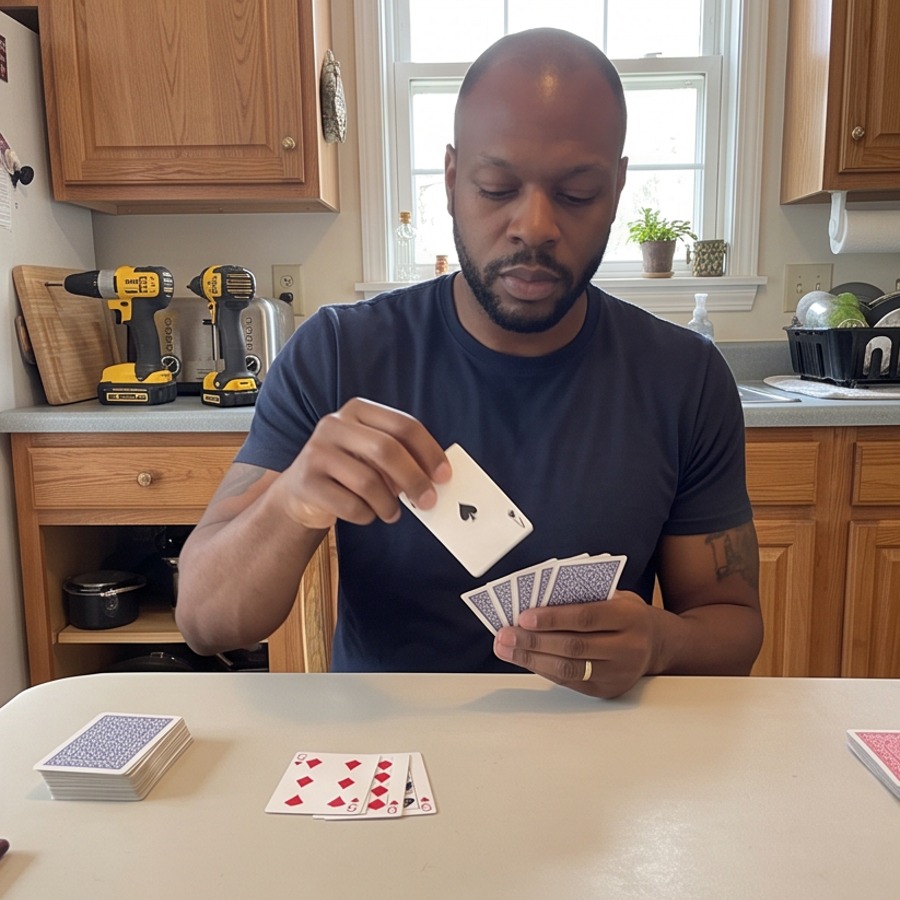 $65 / hr
Board and card games + 1 more
Gin rummy, spades, cribbage and pinochle
West Orange
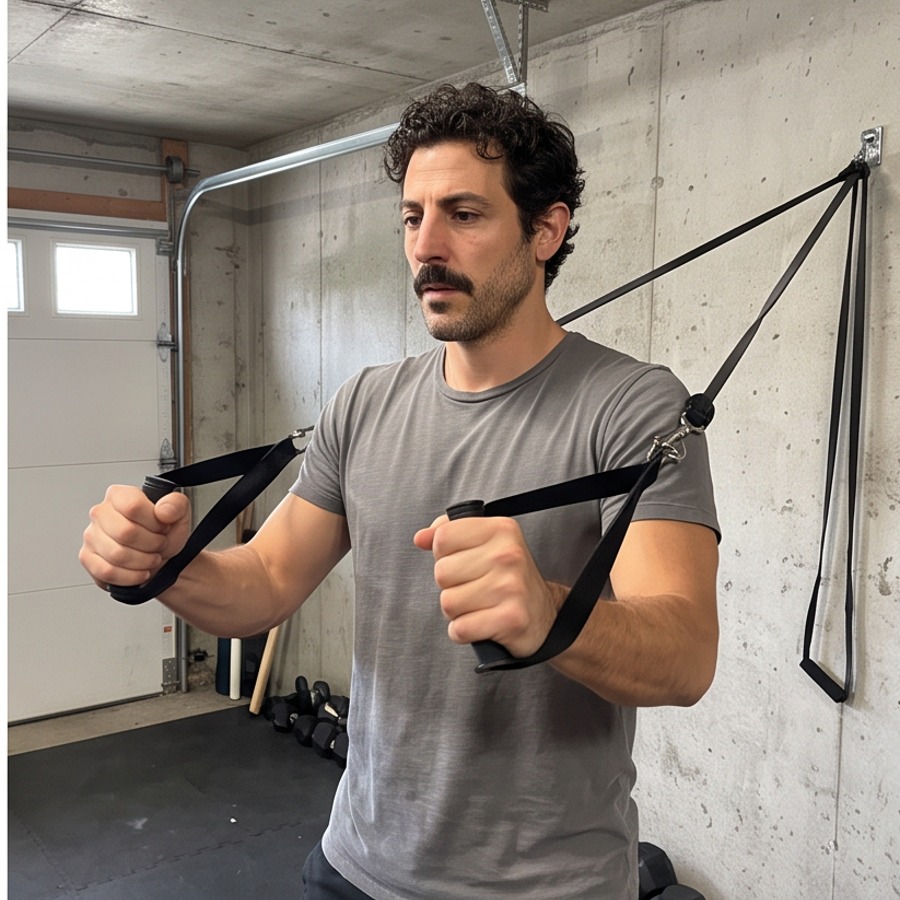 $75 / hr
Personal training
Walking strength and everyday mobility
Millburn
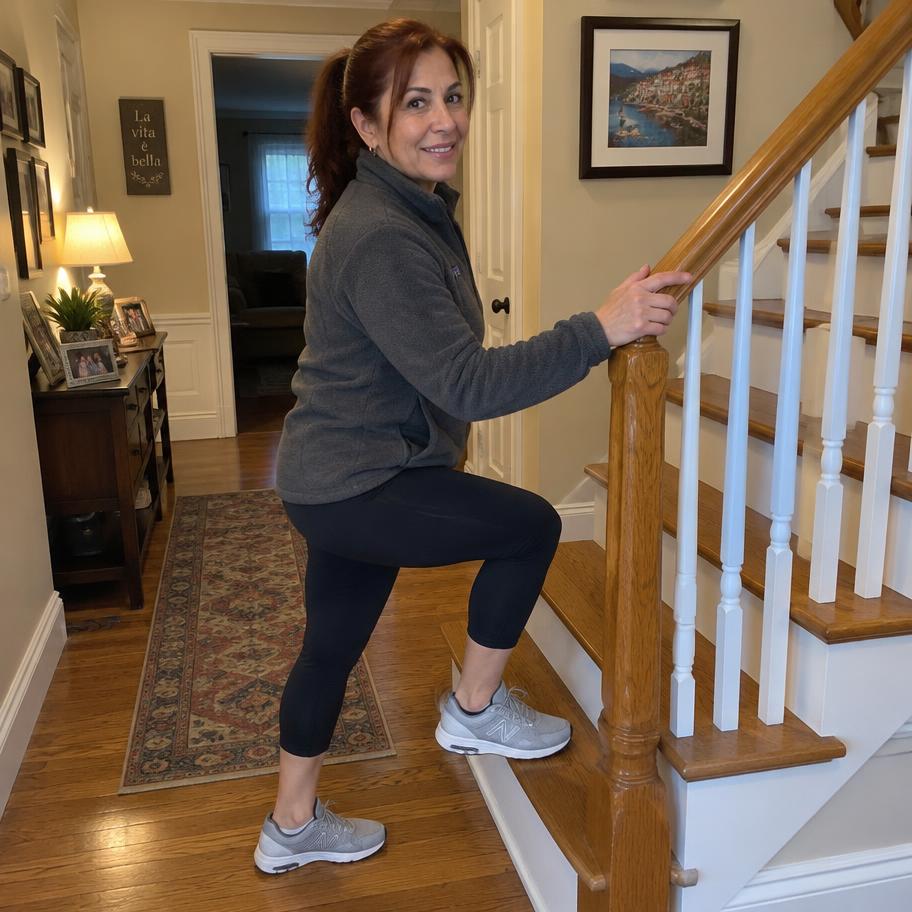 $52 / hr
Personal training
Workouts built from your own home
Glen Ridge
 $125 / hr
Gardening + 1 more
Raised beds, containers and garden-day exercise
Short Hills
A good first session is mostly conversation and simple tests. The trainer will ask what you want to be able to do. Carry groceries up the front steps. Get down on the floor with the grandkids and back up again. Walk the loop at the park without stopping. Then they watch how you move: standing up from a chair a few times, a short walk down the hallway, reaching overhead, balancing near a counter.
From there they put together a short routine you can do at home, often five or six moves. Chair stands, wall push ups, heel raises holding the counter, light band rows. Nothing fancy. The first visit should leave you a little warm and a little proud, not sore for three days.
Afterward the trainer writes a short note about what you did and what to repeat before the next visit. Families booking for a parent can read it, which helps when you are trying to cheer someone on from a distance.
In-home personal training suits people who are steady enough to exercise safely but have lost some strength, balance or confidence. It is a good fit for someone who stopped going to the gym, someone who does not like the idea of a gym at all, or someone who just wants a regular, friendly reason to move. Many people like that the trainer comes to them, especially through a North Jersey winter.
Personal training is not physical therapy and it is not medical. If your parent is recovering from surgery, a recent fall or a new diagnosis, start with their doctor or a physical therapist. Once they are cleared, a trainer can help them keep moving between appointments or after therapy ends. If you are unsure, ask the doctor before booking and share any limits with the trainer in your first message.
Every trainer on Home Happenings says on their profile which of three ways they work: they bring a full kit, they bring a few basics, or they use what you have at home. A full kit might mean bands, light dumbbells, a balance pad and a mat. Basics might be a set of bands and a couple of weights. Using what you have can be surprisingly effective with a sturdy chair, a kitchen counter, a staircase and two cans of soup.
What you need is space and stability. Clear a patch of floor about the size of a yoga mat, move throw rugs out of the way, and have a sturdy chair without wheels. Supportive sneakers beat slippers or socks every time. Keep water nearby. If your parent uses a cane or walker, keep it within reach during the session, and let the trainer see how they use it. That tells the trainer a lot about where to start.
In the first couple of weeks, the work is learning the moves and doing them well. Most people notice small things early: getting out of a low chair takes less effort, the stairs feel steadier. By weeks four to six, the trainer will usually add a bit more. More repetitions, a heavier band, a balance exercise with one hand off the counter instead of two.
By weeks six to eight, the gains people talk about are practical. Carrying laundry without stopping. Feeling surer on uneven sidewalks. Taking a longer walk at Brookdale Park or around the lake at Verona Park. Those outings are a nice way to put the work to use between sessions, and some trainers will build a walk into a visit when the weather is good.
Progress is not a straight line. Bad sleep, a cold or a busy week can set things back a little. Consistency matters far more than intensity.
Read profiles for experience with older adults, the equipment approach, towns served and usual days. Credentials such as a certification are self-reported unless marked verified. Reviews from other families often mention patience and how well the trainer explains things.
Personality matters as much as programming. Some people want a cheerful coach who counts out loud and keeps things moving. Others do better with someone calm who explains the why behind each move. Think about which one your parent would actually let in the door every week, and look for clues in how the trainer writes their profile and answers your first message. If the first visit does not click, it is fine to try someone else.
In your message, be direct about health and goals. "My mother has a knee replacement from two years ago and is nervous on stairs. How would you start?" "Do you bring equipment or use what's here?" "How do you handle balance work safely?" "What would you want to know from her doctor?" A trainer who asks thoughtful questions back is usually a good sign. Contact details stay private in messages.
Trainers set their own hourly rate between $50 and $150. Visits are 1, 1.5 or 2 hours at that rate, with a $2.50 booking fee and a 10% service fee at checkout. For most older adults, one hour is the sweet spot, including warm up and cool down.
Training works best on a schedule, so most families choose 4 weeks at the same time or every week until they cancel. You can also book a single visit to try someone out. Cancelling is free up to 3 days before. Between 3 days and 12 hours, 50% is charged, and inside 12 hours the full visit. Homes 20 or more miles from the trainer add a $25 travel fee per visit.
It can be, when the trainer starts gently and adapts to the person. Talk to your parent's doctor first if they have heart issues, recent surgery or a history of falls. Share any limits in your first message so the trainer can plan around them from day one.
No. Personal training is not physical therapy and is not a medical service. Physical therapists treat injuries and recovery under a medical plan. A trainer helps a healthy or cleared person build strength, balance and mobility. Many people use a trainer after physical therapy ends.
Usually not. Each trainer's profile says if they bring a full kit, a few basics or use what you have at home. A sturdy chair, a counter and a clear patch of floor go a long way. If anything is worth buying later, the trainer will tell you.
Once a week with a trainer, plus a short routine on his own two or three other days, works well for most people. Some prefer twice a week at first to build the habit. Booking every week at the same time makes it much easier to stick with.
Comfortable clothes he can move in and supportive sneakers with a good grip. Avoid slippers, socks on hardwood, or anything that bunches at the knees. Keep a glass of water and his glasses nearby, and have any hearing aids in so he can follow instructions easily.
Yes. You can message trainers, book and pay online from anywhere. After each visit the trainer writes a short note you can read, so you will see what she worked on. It helps to tell her who is coming and when, so the door gets answered.