What to look for when vetting an in-home activity or lesson provider
A neutral checklist for professionals: background checks, credentials, references, insurance questions, cancellation terms and privacy.
By the Home Happenings team · October 5, 2026
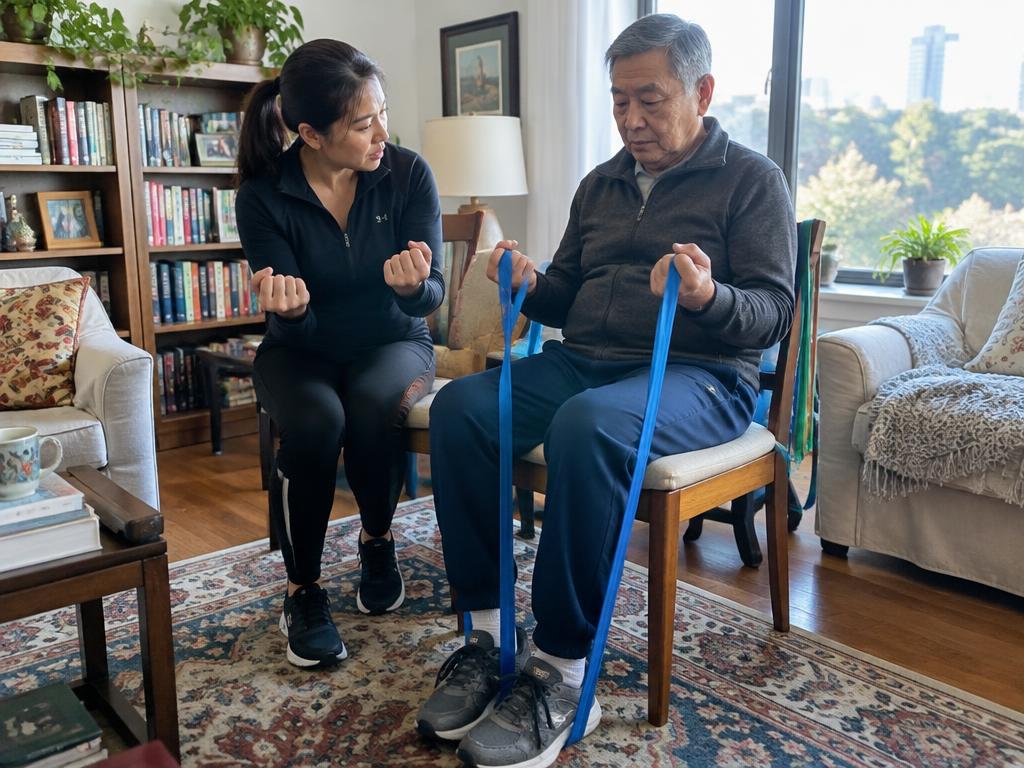
When you pass along the name of someone who will be alone in a client's home, a little of your reputation goes with it. This checklist is for social workers, geriatric care managers, discharge planners and home care agency staff who get asked "do you know anyone?" for piano, art, fitness, tech help and similar. It works for an independent teacher, a small business or a platform, including ours. It isn't legal advice, and your agency may have its own requirements.
1. Background checks: ask what, not whether
"Are you background checked?" gets a yes almost every time. Better questions:
- What kind of check, and who ran it? A name based search, fingerprints, reference checks, or some combination?
- How recently was it done? Is it ever repeated?
- Did it include a sex offender registry search?
- If the provider comes through a platform or agency, does that organization run the check, or does it take the provider's word?
A provider who answers plainly is usually fine. One who gets vague or offended is telling you something too.
2. Credentials: self-reported or verified
Activity providers often hold real credentials: a music degree, a personal training certification, a yoga teacher registration, a therapy dog team certification. Ask which ones someone other than the provider has confirmed.
For anything that sounds clinical, the bar goes up. Music therapy is a credentialed profession in the US, and board certified music therapists use the MT-BC credential. A piano teacher who is wonderful with older students is valuable, but that teacher isn't providing music therapy, and the family should know the difference. The same goes for a personal trainer versus a physical therapist, and a therapy dog visit versus a medical service. Help families keep the labels straight.
3. References that mean something
Ask for two references from clients like yours: older adults, at home, ideally with similar needs. Then actually call. Useful questions:
- How long have they worked with your family?
- Do they show up on time, and how do they handle schedule changes?
- How do they adjust when your parent is tired or having an off day?
- Anything you wish you'd known at the start?
Online reviews help, but read them for specifics. "Great teacher" tells you less than "she figured out Dad does better in the morning and moved the lesson."
4. Insurance: questions to ask
This is the area families most often skip. You don't need to evaluate a policy, but you can prompt the right questions:
- Do you carry general liability insurance? Professional liability, if it applies to your field?
- If you bring equipment (weights, a keyboard, art supplies, a dog), what happens if something gets damaged or someone trips?
- For therapy dog teams: does your certifying organization provide any coverage for visits?
- Does the platform or agency you work through cover you, or is that on you?
And one for the family: does their homeowner's or renter's policy say anything about people working in the home? A short call to their insurance agent is worth it.
Don't assume a platform or agency covers a provider just because it lists them. Ask, and get the answer in writing. Plenty of good independent teachers carry nothing, which isn't automatically disqualifying, but the family should decide with the facts.
5. Money, cancellation and changes
Get these in writing before the first visit:
- The rate, how long a visit lasts, and what's included.
- Any travel fee.
- Cancellation terms, in both directions. What does the family pay if they cancel the night before? What happens if the provider cancels?
- How payment works. Paying through a system that keeps a record is easier to sort out later than cash.
- Whether there's a minimum commitment.
Cancellation matters more with older clients than with most, because plans shift: a doctor's appointment, a bad night, a hospital stay. A policy that charges in full for any cancellation will cause friction fast. As one reference point, Home Happenings' terms are free cancellation up to 3 days before, 50% between 3 days and 12 hours, and the full visit price under 12 hours. Whatever the terms, look for something clearly stated and reasonable.
6. Privacy and boundaries
A provider in the home sees a lot. Ask:
- What do you do with what you see and hear? Do you keep notes, and who sees them?
- Do you take photos or recordings? For something like recording a life story, the answer is yes, so ask who owns the files and where they're kept.
- How does the family reach you, and does the client's phone number get shared?
- What's your policy on gifts, loans, or being asked to do odd jobs?
- Will you ever ask the client for passwords, financial details or a signature?
For tech help, that last question is the big one. A good tech helper teaches the client to manage their own accounts and never needs a banking password.
7. Communication with the family, and with you
Ask how the provider reports back. A short note after each session is ideal: what they did, how the client seemed, anything worth mentioning. Agree ahead of time on what the provider should do if they notice something concerning, such as a new fall risk, confusion that seems different, or someone pressuring the client about money. They aren't clinicians and shouldn't act like one, but they should know who to tell.
8. A trial period
Suggest four visits before anyone commits further. Fit is personal. A good provider will say so first and won't take it personally if it doesn't work out.
The one minute version
Before you pass a name along, you should be able to say yes to most of these:
- Background check described clearly, including who ran it
- Credentials confirmed where they matter
- At least one reference you actually spoke with
- Insurance questions asked and answered
- Rate, fees and cancellation terms in writing
- Clear privacy and money boundaries
- A plan for how the family hears how it's going
How Home Happenings handles this
On Home Happenings, every pro is background checked and vetted by our team. Profiles show credentials (self-reported unless marked verified), reviews, usual days and towns served. Families can message a pro before booking, and contact details stay private in messages. After each visit the pro writes a short note the family can read. The full process is on how it works, and you can browse pros by town. If your agency has its own vetting standards and you'd like to compare notes, get in touch.
Related activities
- Music lessonsLearn an instrument, sing favorite songs or explore music at your pace.
- Tech helpLearn your phone, tablet and video calls, one step at a time.
- Personal trainingBuild strength, balance and confidence with movements chosen for you.
- Personal storytellingA guided conversation about your life, recorded for your family. Old photos welcome.
Find a local pro
Checked and vetted professionals who teach at home across Essex County.
Browse professionals