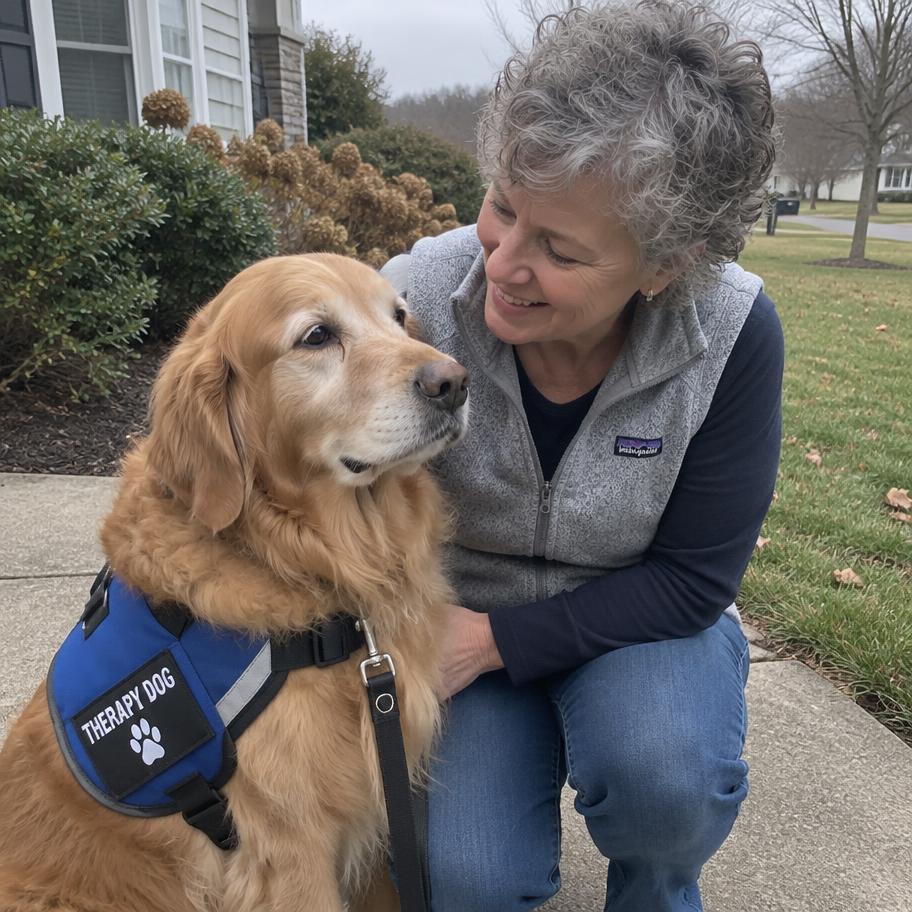
 $70 / hr
Therapy dog visits
Linda Marsh
5.0(2)Registered therapy dog team
Montclair
Mon · Tue · Wed · Thu · FriBackground checked
Essex County, NJ
A certified therapy dog and its handler come to you. A local pro comes to the house and teaches at your pace, whether it is for you or for Mom or Dad.
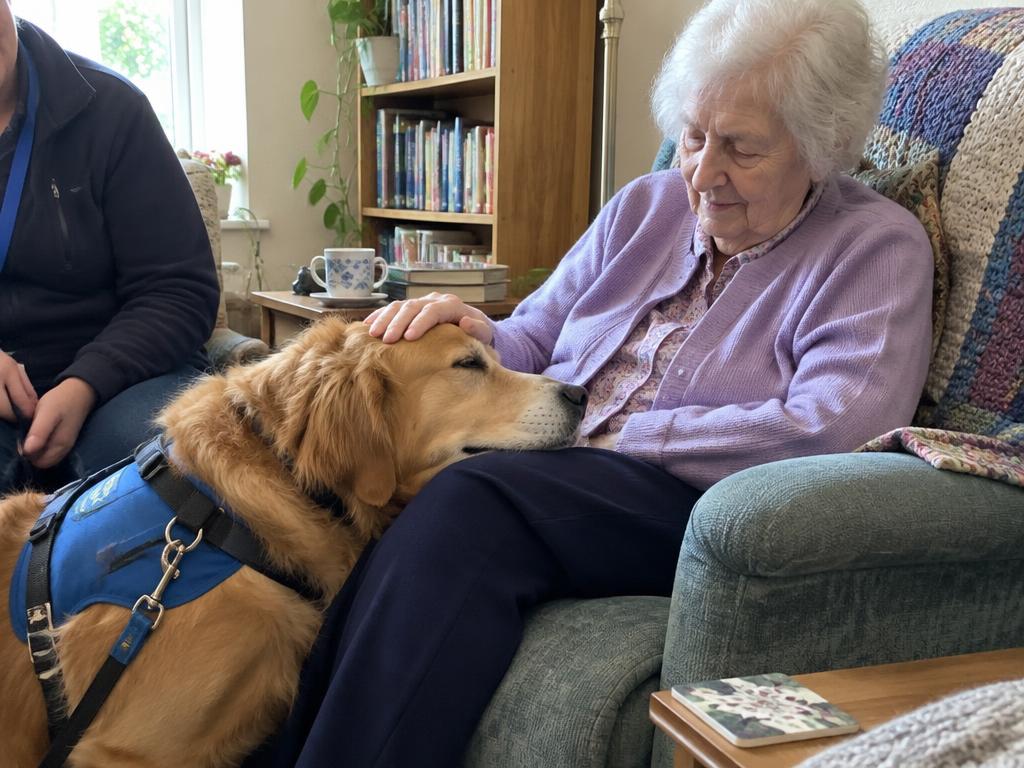 $70 / hr
Therapy dog visits
Registered therapy dog team
Montclair
 $70 / hr
Therapy dog visits
Registered therapy dog team
North Caldwell
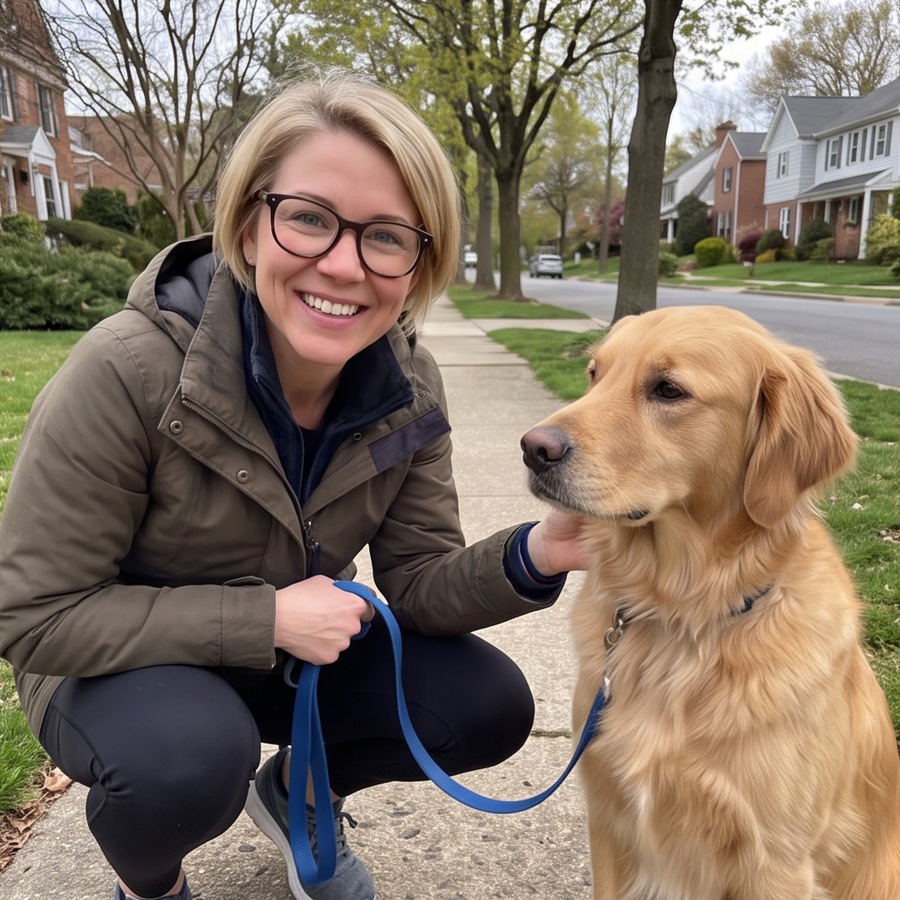 $70 / hr
Therapy dog visits + 1 more
Therapy dog visits with a calm collie
South Orange
 $110 / hr
Art lessons + 1 more
Architectural sketching and watercolor
Millburn
 $95 / hr
Therapy dog visits + 1 more
Therapy dog visits with Biscuit, plus easy cooking
Glen Ridge
 $55 / hr
Art lessons + 1 more
Loose watercolor landscapes and flowers
Maplewood
A certified therapy dog team comes to the home: one dog and the handler who trained and certified with it. The handler is always present and stays with the dog the entire visit. They will usually ring the bell, wait for a hello, and let the dog come in calmly rather than bounding through the door.
From there it is easygoing. The dog may sit by a chair for petting, rest its head on a lap, or lie on the rug nearby. Some dogs know a few tricks and like to show them off. Many visits turn into conversation about dogs from years past, the family beagle from the 1960s, the one that always got into the trash. The handler reads both the dog and the person and keeps things relaxed.
These visits are not a medical service. They are a chance to spend time with a friendly, well-trained animal, which a lot of people miss when they can no longer keep a pet of their own.
Therapy dog visits suit people who love animals and do not have one anymore. Someone who moved to a smaller home without a yard. Someone who lost a longtime dog and is not ready, or able, to take on a new one. Someone who is quieter than they used to be but always brightens when a dog walks into the room. They can also be a nice option for a person living with memory loss, since petting a dog does not require keeping track of a conversation.
It is not the right fit for anyone who is afraid of dogs, has serious allergies, or lives with someone who is. Homes with a cat or another dog need a bit of planning. Fragile skin or blood thinners are worth mentioning too, since even a gentle paw can leave a mark. Ask about the dog's size and calmness if your parent is unsteady on their feet.
Pick a comfortable spot with a chair at a good height for petting and some floor space for the dog to lie down. Slippery floors can be hard on dogs, so a rug helps. Put away food on low tables and any small items a curious nose might find.
If there are other pets, tell the handler ahead of time. Usually it works best to put them in another room for the hour. Have a towel handy on wet days for muddy paws. Ask the handler before offering any treats, since most therapy dogs have rules about food.
The first visit is an introduction. Some people are thrilled right away, while others watch from across the room for a while. Both are fine. By the second or third visit, the dog usually knows the house and walks straight to its favorite spot, and the person often has a treat or a story ready.
By weeks six to eight, a routine settles in. The same day, the same dog, the same greeting at the door. For a lot of people, that weekly visit becomes something to look forward to and talk about with family. Some handlers will take a short walk with the person and the dog around the block if it is safe and both are up for it.
After each visit the handler writes a short note you can read. It might mention Mom laughing at the dog's sneeze, or Dad telling the whole story of a dog he had in the Army. For family members who live a few states away, those little details are often the best part of the week.
If your parent is lukewarm at first, give it three or four visits before deciding. Plenty of people who say "I'm not really a dog person anymore" end up saving the crusts of their toast for a visitor with a wagging tail. And if it truly does not click, that is useful to know too.
Look at the dog first. Profiles typically show breed and size, along with the handler's credentials (self-reported unless marked verified), towns served and usual days. A small dog that can sit on a lap is wonderful for some people. A big, calm retriever that rests its head on an armrest is better for others.
In your message, ask the things that matter to your situation. "How big is your dog, and how does it do with people who move slowly or use a walker?" "Which organization certified you as a team?" "How does your dog react to a cat in the next room?" "Is the dog okay with being petted a little roughly by someone with less hand control?" Contact details stay private in messages.
Each team sets its own hourly rate between $50 and $150. Visits are 1, 1.5 or 2 hours at that rate, with a $2.50 booking fee and a 10% service fee at checkout. One hour is right for most people and most dogs. Therapy dogs work hard to stay calm and attentive, and they tire too.
Book a single visit to see how it goes, 4 weeks at the same time, or every week until you cancel. Cancelling is free up to 3 days before, 50% is charged between 3 days and 12 hours, and the full visit inside 12 hours. Homes 20 or more miles from the handler add a $25 travel fee per visit. A gift card from $50 is a thoughtful present for a dog lover who can no longer keep one.
No. A certified therapy dog team visits so your parent can spend time with a friendly, well-trained dog. It is not treatment and does not replace any medical support. Many people simply enjoy it, the way they enjoyed having a dog of their own.
Yes, always. The handler is present for the entire visit and never leaves the dog alone with anyone. They watch both the dog and your parent, keep things calm, and decide when the dog needs a break. They also write a short note afterward that the family can read.
Tell the handler before booking. Usually the cat goes in a closed room for the hour, and the handler can tell you how their dog behaves around cats. If the cat is anxious or the dog is very interested, a different team may be a better match.
Often, yes. Petting a calm dog does not require following a conversation, and many people with memory loss respond warmly to animals. Mention the diagnosis in your first message so the handler can plan a shorter or quieter visit if needed, and keep the same team each week.
It depends on the team. Some are small enough to sit on a lap, others are large dogs that rest beside a chair. Check the profile and ask in a message. For someone who is unsteady, a calm dog that stays low and still is usually the better choice.
If the allergy is serious, it is probably not a good fit. For mild allergies, ask the handler about the breed and coat, and keep the visit to one room. No dog is truly allergy free, so talk it over with the person who has the allergy first.