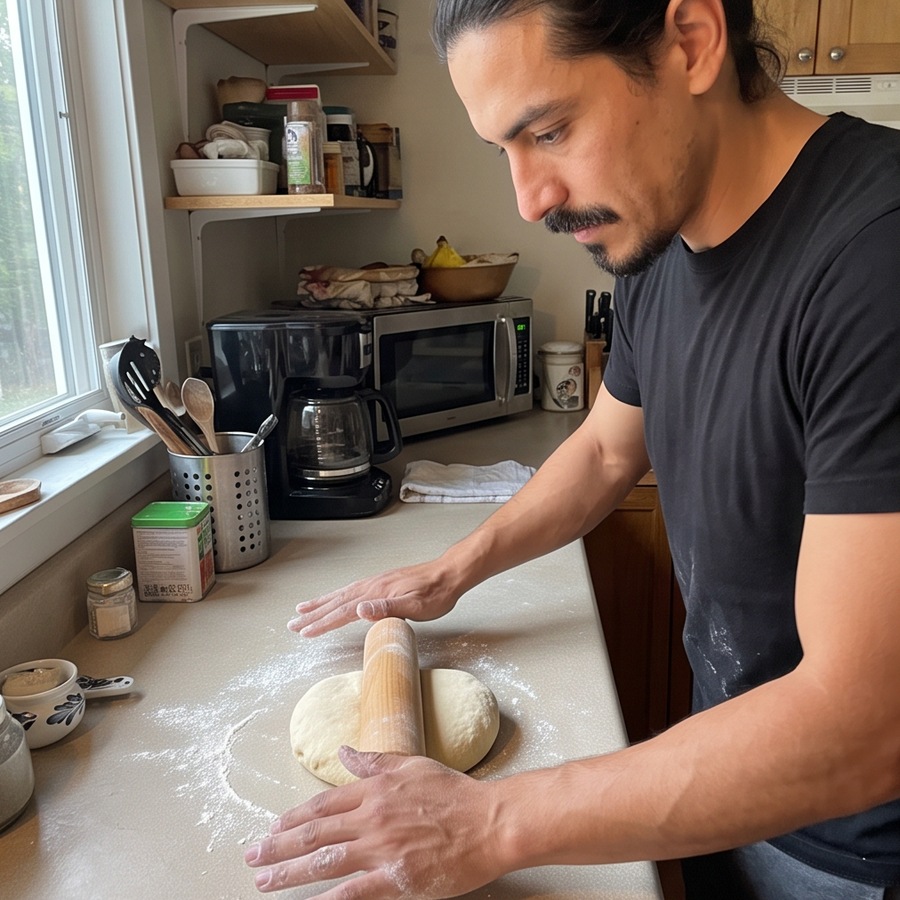
 $80 / hr
Cooking lessons
Gabe Diaz
5.0(2)One-pan dinners and Cuban home cooking
West Orange
Mon · Wed · Thu · FriBackground checked
Essex County, NJ
Learn a recipe and cooking techniques in your own kitchen. A local pro comes to the house and teaches at your pace, whether it is for you or for Mom or Dad.
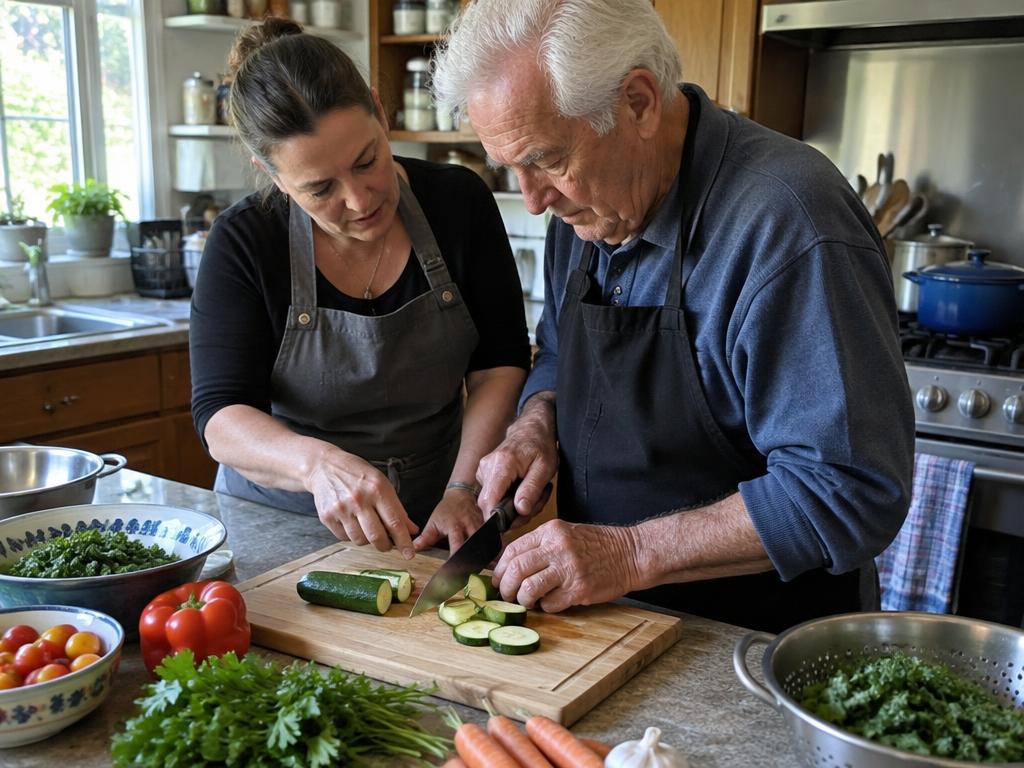 $80 / hr
Cooking lessons
One-pan dinners and Cuban home cooking
West Orange
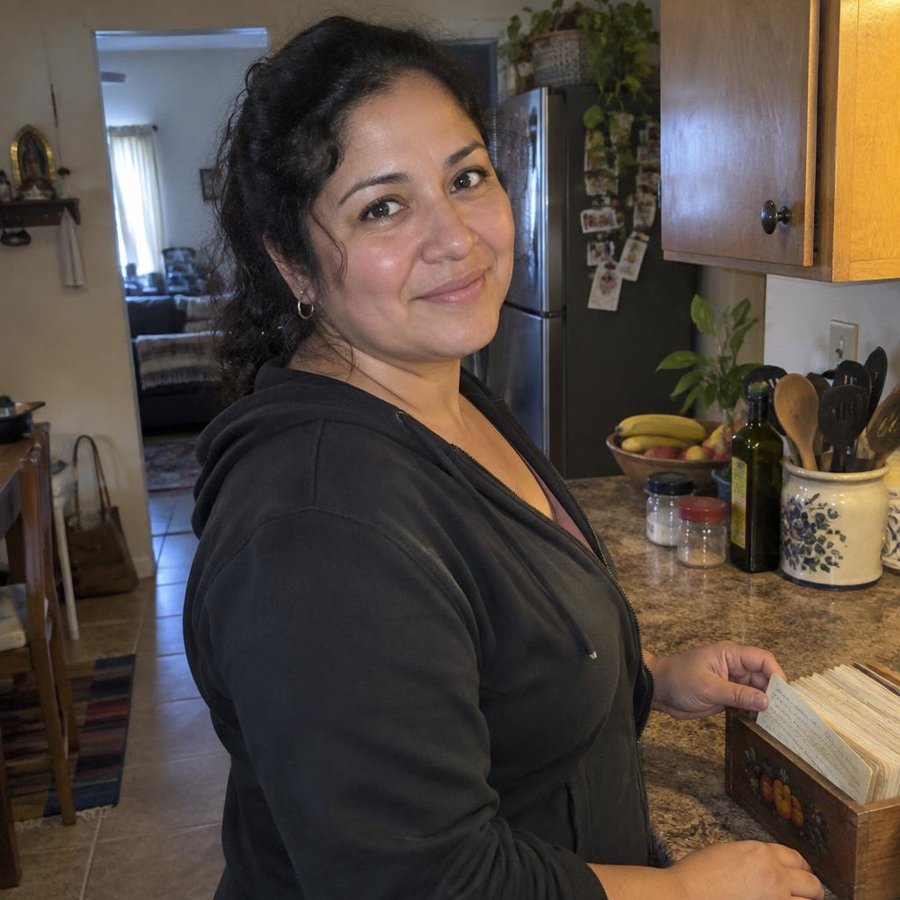 $75 / hr
Personal storytelling + 1 more
Recipes and the stories behind them
Bloomfield
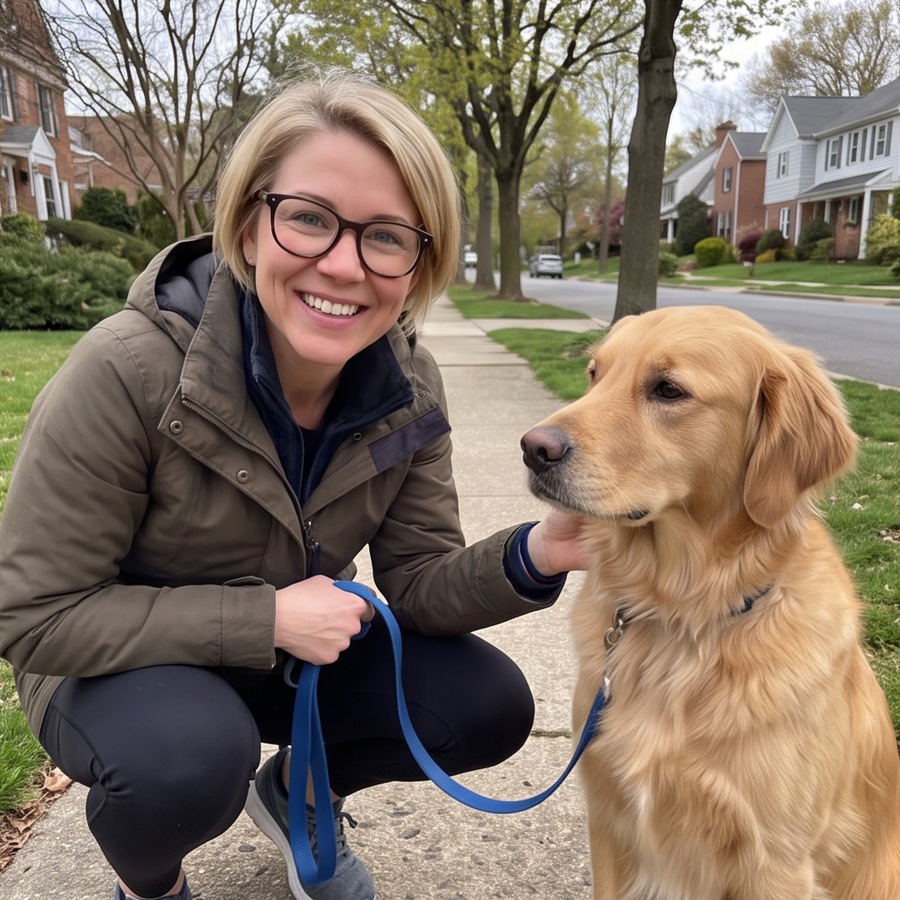 $70 / hr
Therapy dog visits + 1 more
Therapy dog visits with a calm collie
South Orange
 $65 / hr
Music lessons + 1 more
Guitar and ukulele, oldies and standards
West Orange
 $65 / hr
Cooking lessons
Easy weeknight meals and small-batch baking
Millburn
 $70 / hr
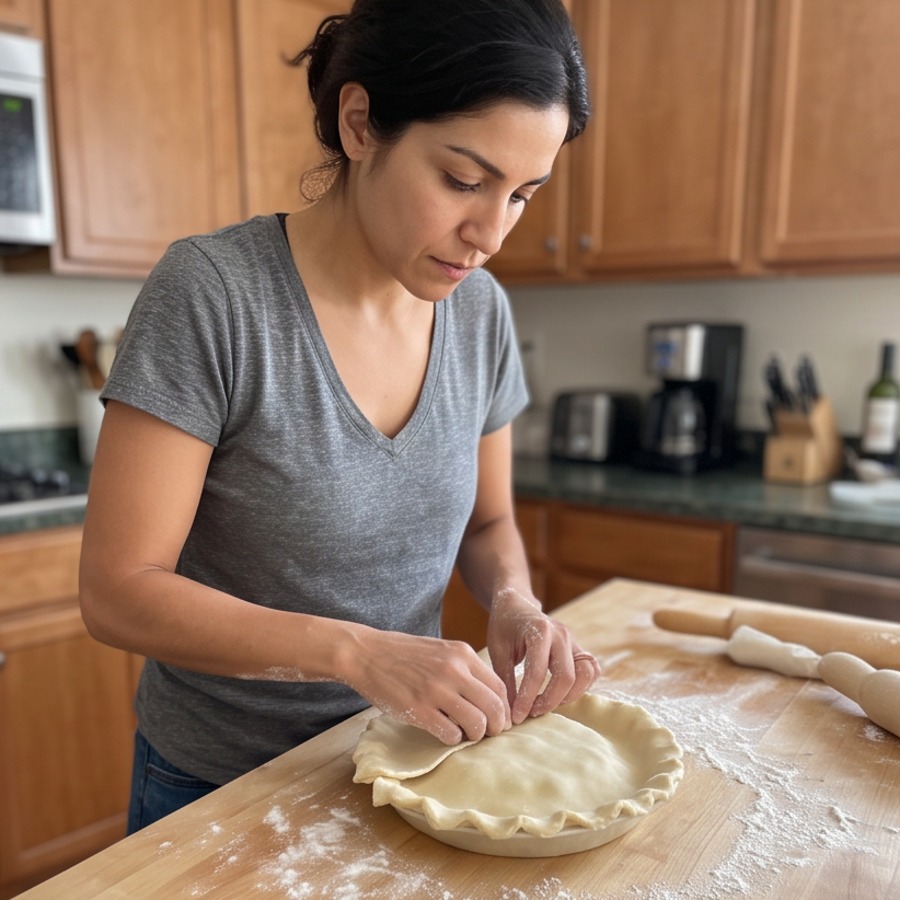
Cooking lessons
Quick breads, cookies and easy pies
Short Hills
 $65 / hr
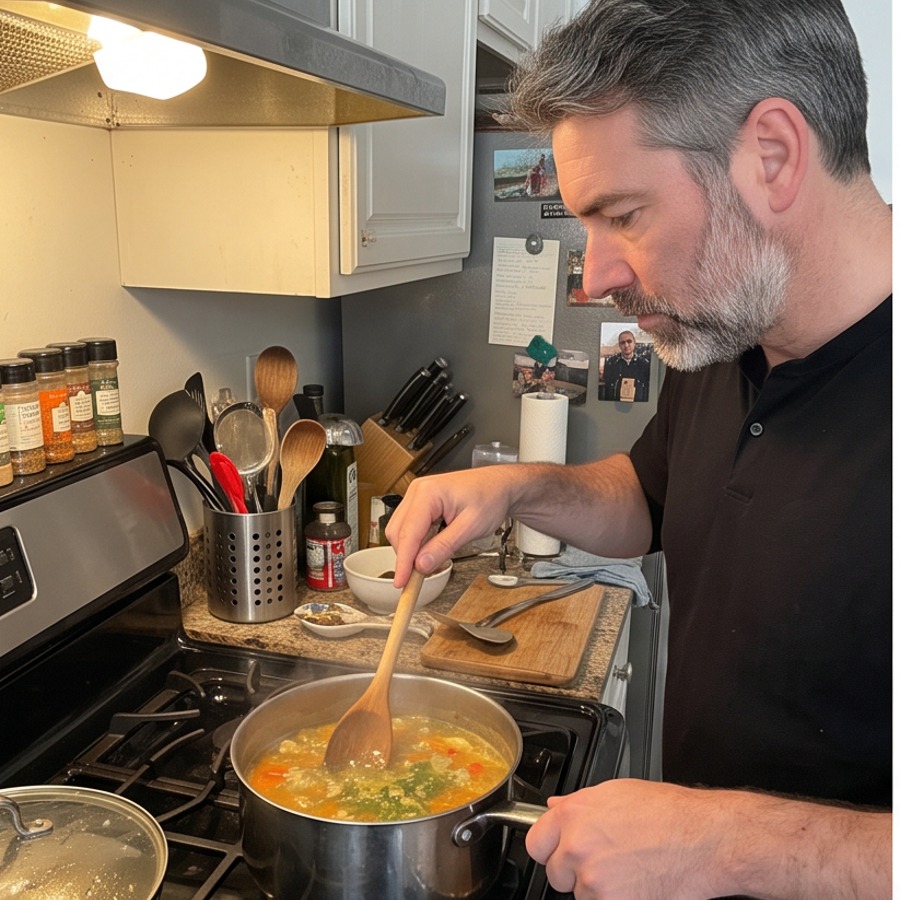
Cooking lessons
Soups, stews and diner classics
Livingston
 $95 / hr
Therapy dog visits + 1 more
Therapy dog visits with Biscuit, plus easy cooking
Glen Ridge
 $75 / hr
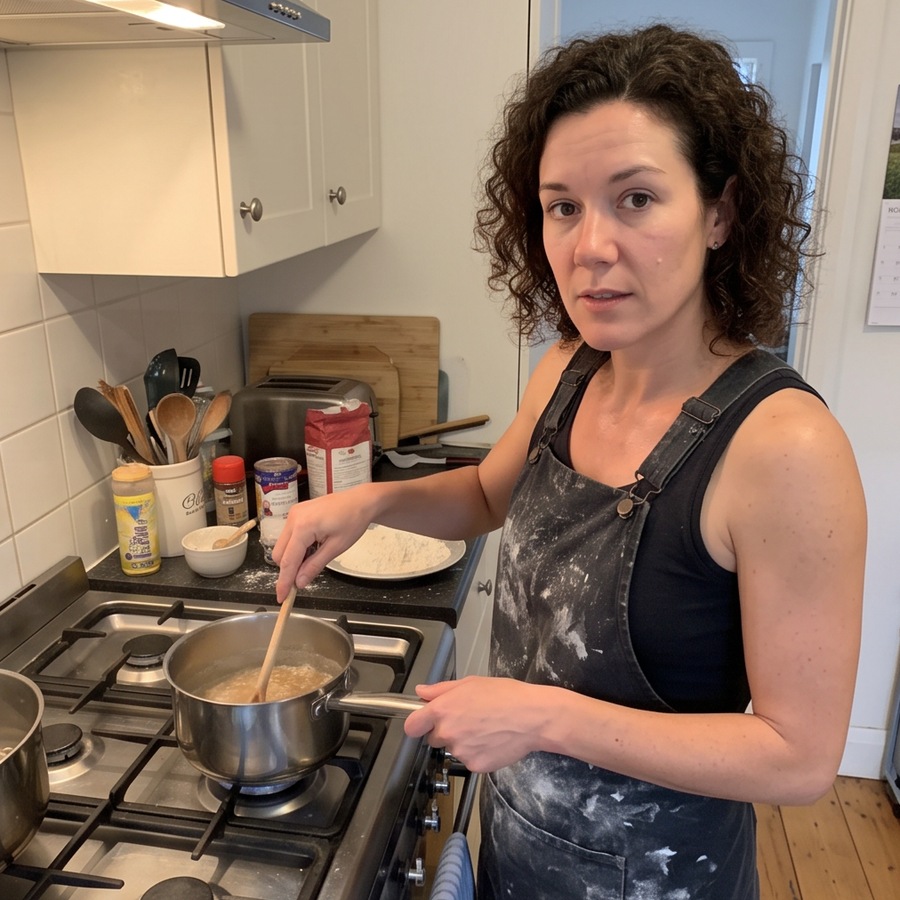
Cooking lessons
Simple weeknight dinners and soups
Verona
 $90 / hr
Music lessons + 1 more
Singing, hymns and easy piano chords
Verona
Cooking lessons happen in your own kitchen, one recipe at a time. The cook will arrive, wash up, and take a look around. Where are the pots? Does the oven run hot? Which burner is the reliable one? Then you talk about food. What do you like to eat? What did you used to make that you miss? What feels like too much work now?
A first lesson is usually one dish from start to finish. A pot of soup that lasts three days. A sheet pan chicken with vegetables. A simple omelet done right. The cook shows each step, then hands over the spoon. You chop what you can, stir, taste and season. By the end there is a real meal on the table and, ideally, leftovers in the fridge.
Afterward the cook writes a short note with what you made and any tips worth remembering. Families can read it, which is a nice way to know Dad actually ate a vegetable this week.
Cooking lessons suit a lot of different people. A widower who never cooked because his wife always did. A lifelong home cook who now finds big recipes overwhelming and wants simpler versions of old favorites. Someone on a new eating plan from their doctor who needs ideas that still taste good. Someone who just wants a reason to make something other than toast.
They also work well for anyone who wants to get a family recipe written down properly. Grandma's sauce, Mom's pierogi, the holiday cookies nobody has measured in fifty years. A cook can help turn a pinch of this and a handful of that into a recipe card the grandkids can follow.
Lessons may not be the right fit if standing at the stove for an hour is too much, or if there are safety concerns around using the stove at all. In that case, ask about recipes that can be prepped seated at the table, or that use a slow cooker or microwave instead. The cook should know about any dietary rules or allergies before the first visit.
Before the first lesson, clear a stretch of counter. Make sure there is one good sharp knife, a cutting board that does not slide (a damp towel underneath fixes that), a couple of pots and pans, a sheet pan, measuring cups and a working timer. Good light over the stove and counter matters, especially for anyone with weaker eyesight.
Talk with the cook ahead of time about groceries. Some families shop before the visit from a list the cook sends. Others prefer to make a short trip to the store part of the lesson. A tall stool at the counter is a big help for someone who tires standing.
Check the basics of kitchen safety while you are at it. Is there a working smoke detector near the kitchen? Is the fire extinguisher where anyone could grab it? Are the heavy pots stored low enough to reach without a step stool? A cook will notice these things, but it is easier to sort them out before the first lesson than in the middle of one.
The early weeks are about basics that make everything else easier: holding a knife safely, knowing when oil is hot enough, tasting as you go, cleaning while you cook. By weeks three and four, most people can make the first recipes on their own between visits.
By weeks six to eight, there is usually a small set of dishes the person can cook with confidence, enough to cover a week of dinners. Many cooks also teach how to make one batch into several meals: roast a chicken on Monday, chicken salad on Tuesday, soup from the bones on Wednesday.
Seasonal cooking makes it fun. Jersey tomatoes in August need little more than salt and good bread. Apple season in the fall means crisps and sauce. A trip to a local farmers market, like the one in Montclair, can set the menu for the week. Newark's Ironbound is a great place to pick up ingredients for Portuguese and Spanish dishes if that is on the wish list.
Profiles show the kinds of cooking each pro focuses on, the towns they serve, their usual days and reviews. Credentials are self-reported unless marked verified. Look for someone whose style fits: everyday home cooking, a particular cuisine, baking, or adapting recipes to a diet.
In your message, be specific. "My father is diabetic and wants to cook his own dinners. Where would you start?" "My mom wants to write down her old recipes. Have you done that before?" "Can you teach seated, at the table?" "Do you send a shopping list ahead?" Contact details stay private in messages.
Cooks set their own hourly rate between $50 and $150. Visits are 1, 1.5 or 2 hours at that rate, plus a $2.50 booking fee and a 10% service fee at checkout. Groceries are separate. Most cooking lessons run 1.5 or 2 hours, since a full dish plus cleanup takes time. Quick dishes can fit in an hour.
Book a single lesson, 4 weeks at the same time, or every week until you cancel. Weekly lessons mean a steady stream of new dishes and leftovers. Cancelling is free up to 3 days before, 50% between 3 days and 12 hours, and full price inside 12 hours. Homes 20 or more miles from the cook add a $25 travel fee per visit. Gift cards start at $50.
Groceries are separate from the visit. Usually the cook sends a short list ahead and the family shops, or the shopping becomes part of the lesson. Talk it through in a message before the first visit so everything is in the kitchen when the cook arrives.
Not at all. Many students are men who never had to cook until recently. The cook starts with the very basics, like boiling water for pasta, frying an egg and roasting vegetables. Within a few weeks most people can make several simple meals on their own.
Yes. Tell the cook about any diet, allergy or doctor's instructions in your first message, such as low salt, diabetic or soft foods. They can build lessons around it. The cook is not a dietitian, so check with the doctor about what the diet should include.
Often, yes. A lot of prep, like chopping, mixing and measuring, can happen at the kitchen table. A tall stool at the counter helps too. Slow cookers and sheet pan meals cut down on time at the stove. Mention it in your first message.
Yes, and it is a lovely project. The cook watches your parent make the dish, measures as they go, and helps turn it into a clear recipe card. Families often do this for holiday dishes nobody else knows how to make.
Most are 1.5 or 2 hours, which leaves time to prep, cook, eat a little and clean up. A quick recipe like an omelet or a simple pasta can fit into 1 hour. Visits are priced at the cook's hourly rate, and groceries are separate.